
Picking
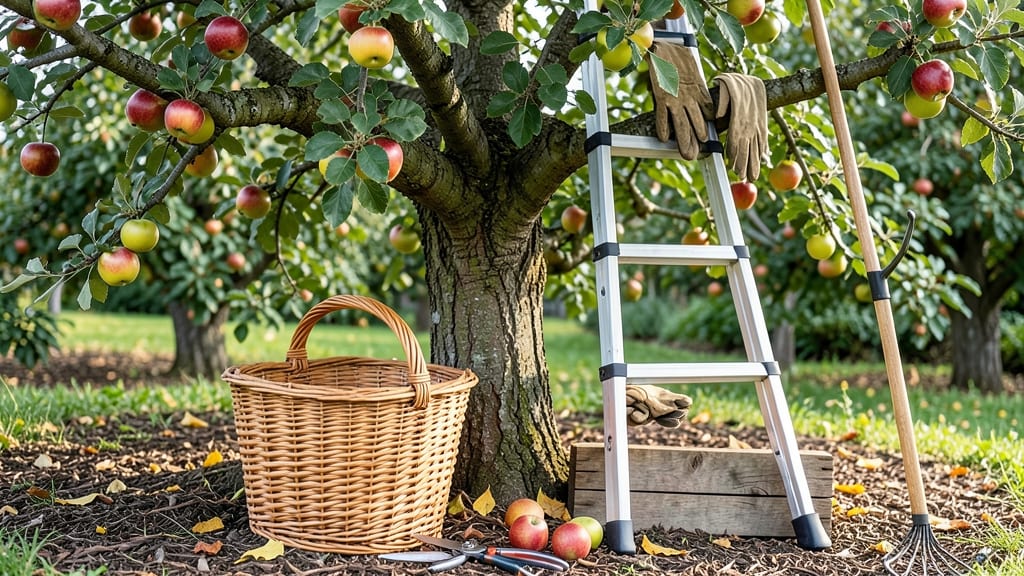
Timing the apple harvest season correctly unlocks the sweetest, most flavorful fruit you’ve ever tasted—yet many gardeners still miss the window, ending up with bland or mealy apples.
Picture this: you’ve waited months for your 🍎 trees to bear fruit, only to pick too soon and end up with tart, underripe apples that never improve. Or worse, you wait too long, and the birds get there first—or worse, the fruit rots on the branch.
Knowing when apples are truly ready isn’t just about color; it’s about texture, scent, and even how they separate from the tree. In this guide, I’ll walk you through the key signs of ripeness, regional harvest windows, and how to store your bounty for months.
Whether you’re growing Honeycrisp, Fuji, or Granny Smith, you’ll learn how to extend storage life and avoid the most common mistakes that turn a great harvest into a disappointment.

How to determine the best time for apple harvest season
Knowing when to harvest apples is an art that balances flavor, texture, and storage potential. Picking too early means tart, underripe fruit, while waiting too long risks soft, mealy apples.
The best time depends on variety, climate, and visual cues like color and stem separation. Regional harvest windows also shift based on your USDA zone, with cooler climates often extending the season by weeks.
Start by checking the skin color—most apples develop their signature hue when fully ripe. For example, Red Delicious apples turn deep red, while Granny Smith apples achieve a bright, even green. However, color alone isn’t enough; you’ll also need to test for firmness and stem separation.
A ripe apple should yield slightly when gently pressed and separate cleanly from the branch with a slight twist. These cues ensure peak flavor and texture.
Regional harvest windows vary widely. In USDA Zones 5-7, apples typically ripen between late August and October, while warmer zones (8-10) may see harvests as early as July.
Cool mountain regions often enjoy a longer harvest season, stretching into November. To refine your timing, track your tree’s growth and note when nearby orchards begin harvesting similar varieties.
Climate plays a critical role in ripening. Cooler summers slow sugar development, while warm spells can rush maturity. Keep an eye on temperature trends—consistent daytime highs above 75°F often signal the start of harvest season.
In my garden, I’ve found that apples ripen 2-3 weeks earlier in hotter years compared to cooler ones. Adjust your expectations based on local weather patterns.
| Indicator | Ready for Harvest | Not Ready |
|---|---|---|
| Skin Color | Deep, consistent hue | Green or patchy |
| Firmness | Slightly soft when pressed | Hard and resistant |
| Stem Separation | Snaps cleanly with gentle twist | Resists or tears |
| Aroma | Sweet, fruity scent | Neutral or sour |
| Regional Window | Late August-October (Zones 5-7) | Before color change |
Variety-specific timing is another key factor. Honeycrisp apples, for instance, ripen later than Gala or Fuji, often in September. Storage varieties like Granny Smith should be picked slightly firmer to last months in cold storage, while eating varieties like McIntosh are best enjoyed fresh when fully soft.
Always check your tree’s label or local extension service for variety-specific guidelines.
Don’t overlook the stem test, a foolproof way to gauge ripeness. Hold an apple gently and twist the stem—if it snaps cleanly (without tearing the fruit), it’s ready. If the stem resists or pulls out with the fruit, wait a few days.
This test works for 90% of apple varieties and saves you from picking prematurely. In my experience, this simple trick has cut my harvest waste by half over the years.
Early morning is the best time to harvest because apples are cooler and firmer, reducing bruising. Use a sharp pruning saw or clean shears to avoid damaging the fruit.
Handle apples gently to prevent surface bruising, which shortens shelf life. After picking, sort them immediately—discard any damaged or diseased fruit to prevent spoilage in storage.
Regional harvest calendars can serve as a helpful baseline. For example, Pacific Northwest growers often start harvesting in late August, while Midwest orchards peak in September. Southern growers may see harvests as early as July for heat-tolerant varieties.
Adjust these timelines based on your local microclimate—valleys and low-lying areas tend to ripen earlier than hilltops.
If you’re unsure, taste-test a few apples before full harvest. A ripe apple should be sweet with minimal tartness, especially near the core. Underripe apples taste sour, while overripe ones are mushy.
This simple test helps fine-tune your harvest timing for perfect flavor. Once you’ve mastered these cues, you’ll consistently pick apples at their peak—ready for fresh eating or long-term storage.
Pro tip: Keep a harvest journal to track ripening patterns year over year. Note the date, variety, and weather conditions for each harvest. Over time, you’ll spot trends—like how cool springs delay ripening or how drought stress speeds it up.
This personalized data becomes your most reliable guide for future seasons. 🍏
Apple variety harvest guide: when to pick for storage vs fresh eating
Not all apples are created equal when it comes to harvest timing. Some varieties like Honeycrisp shine when eaten fresh, while others like Granny Smith store beautifully for months. The key lies in understanding each apple's ripening pattern and intended use.
For example, storage apples typically reach peak flavor after a few weeks off the tree, while fresh-eating varieties should be picked at their absolute ripest moment.
Regional climate also plays a role—cooler areas may need to harvest 1-2 weeks later than warmer zones. My Fuji trees in Zone 6a always yield best when picked in early October, while my neighbor's McIntosh trees in Zone 7b are ready by late September.
Always check your local first frost date to avoid catching apples in unexpected cold snaps.
For storage varieties like Fuji and Granny Smith, I always wait until the fruit is fully colored but still holds its shape when gently squeezed. These apples continue ripening after picking, developing their signature sweetness over weeks in cool storage.
Pro tip: Store them at 32-40°F with 90% humidity to maximize shelf life.
Fresh-eating varieties like Honeycrisp and McIntosh demand immediate attention once they reach ripeness. Their flavor peaks at harvest and declines rapidly if left on the tree. I test these by giving the fruit a gentle tug—if it separates cleanly from the stem, it's ready.
For these varieties, harvest in the morning when temperatures are coolest to preserve crispness.
One common mistake I see is harvesting based solely on color. Some apples like Golden Delicious may look ripe but need 10-14 days more on the tree to develop full sugar content.
Always combine visual cues with the stem test and gentle pressure test for accurate timing. Remember, overripe apples bruise easily and spoil quickly, while underripe apples lack flavor and storage potential.
My final advice? Keep a harvest journal noting when each variety reaches peak ripeness in your climate. Over time, you'll develop an instinct for the perfect moment to pick—whether for immediate snacking or long-term storage.
With practice, you'll transform from guessing to knowing exactly when to harvest for maximum flavor and shelf life. 🍏