
Picking
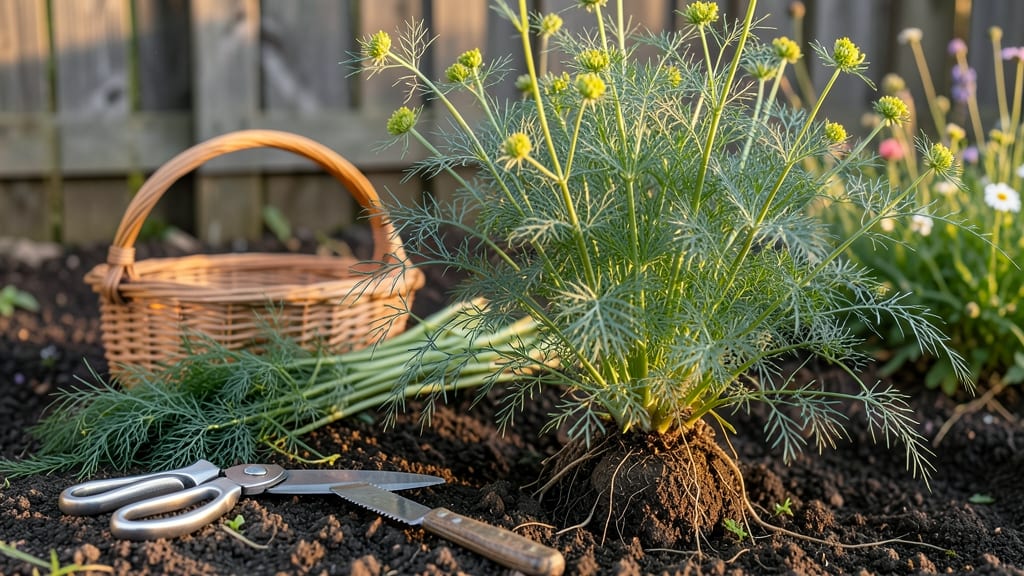
Harvesting dill at the right time ensures those feathery leaves stay bright and flavorful—not bitter and tough.
Picture this: you’ve waited 60 to 75 days for your 🌿 dill to grow, only to realize too late that the leaves turned woody or the plant bolted. That’s the difference between a perfect harvest and a wasted season.
Timing matters because dill’s flavor peaks when the stems snap cleanly and the leaves are still tender. Miss that window, and you’re left with tough stems or seeds that lose their culinary magic.
In this guide, I’ll show you exactly when to cut for peak flavor, how to read your plant’s cues, and why a little patience now means better harvests all summer.

How to use the stem snap test to determine dill harvest time
Harvesting dill at the perfect moment ensures maximum flavor and prevents the bitter taste that comes with bolting. The stem snap test is my foolproof way to determine when your dill is ready for harvest.
This simple method checks stem firmness, which directly correlates with flavor intensity and plant maturity.
When dill stems are too soft, the plant isn’t producing its best flavor yet. But if you wait too long, the stems become woody, and the leaves develop a bitter taste.
The stem snap test helps you strike that sweet spot between tender and overripe. Here’s how to do it right every time.
The stem snap test works because it measures the plant’s cellulose development. When dill is young, stems are soft and flexible, indicating underdeveloped flavor compounds. As the plant matures, cellulose strengthens, making stems firmer and more resistant to bending—this is when flavor peaks.
For the best leaf flavor, harvest when your dill passes the snap test but before flower buds form. These buds signal the start of bolting, which shifts the plant’s energy from leaves to seeds, reducing leaf quality.
If you’re growing dill for seeds, wait until the stems snap easily and the plant begins flowering.
Pro tip: Perform the snap test on multiple stems across the plant. Dill plants can have varying maturity levels, so testing 3-5 stems ensures you’re harvesting at the ideal time for the entire plant.
This method also works for other herbs like cilantro and parsley, making it a versatile tool in your gardening arsenal.
After harvesting, store dill in the fridge for up to 1 week or dry it for long-term use. The stem snap test isn’t just about timing—it’s about preserving that fresh, vibrant flavor that makes homegrown dill worth growing.
Once you master this technique, you’ll never again wonder if your dill is ready. The snap test gives you confidence in your harvest, ensuring every bite of your homemade pickles, soups, or salads packs maximum flavor. Happy harvesting! 🌿✂️
Dill harvest time by growth stage: when to cut for leaves vs seeds
Timing your dill harvest is everything—cut too early, and you miss flavor; wait too long, and the plant bolts, turning bitter. The growth stage determines whether you harvest for fresh leaves or seeds, each with distinct timing and flavor profiles.
Understanding these stages ensures you get the most from your dill plants all season long.
For leaf harvests, aim to pick dill when plants reach 12-18 inches tall but before they flower. This window—typically 60-75 days after planting—delivers the brightest, most aromatic flavor. If you wait until the plant bolts, the leaves become tough and bitter, ruining their culinary potential.
| Harvest Stage | Optimal Time | Flavor Profile | Storage Tips |
|---|---|---|---|
| Fresh Leaves | 60-75 days Before flowering |
Bright, citrusy, anise-like | Trim stems, wrap in damp paper towel, refrigerate for 5-7 days |
| Seed Heads | 90-120 days After flowers brown |
Earthy, warm, less intense | Dry seed heads fully, store in airtight container for 1 year |
If you’re growing dill for seeds, let the plant fully mature—wait until the flower clusters turn brown and seeds rattle inside. This usually happens 90-120 days after planting, depending on your climate.
Seed dill has a milder, earthier flavor compared to fresh leaves, making it perfect for pickling or baking.
Pro tip: To extend your leaf harvest, prune regularly by cutting back one-third of the plant every 3-4 weeks. This encourages bushier growth and delays bolting. Just avoid cutting into woody stems, as they won’t regrow.
Store harvested dill leaves by trimming stems and placing them in a glass of water on the countertop, like fresh-cut flowers. Change the water every 2 days to keep them crisp for up to 2 weeks.
For seeds, harvest on a dry day, spread them on a tray, and let them cure in a warm, dark place for 2 weeks before storing.
Regional variations matter—dill in cooler climates may take longer to bolt, while hotter zones can rush the flowering process. Monitor your plants closely, and don’t hesitate to harvest aggressively to keep them productive. With the right timing, you’ll enjoy fresh dill all season!