
How To
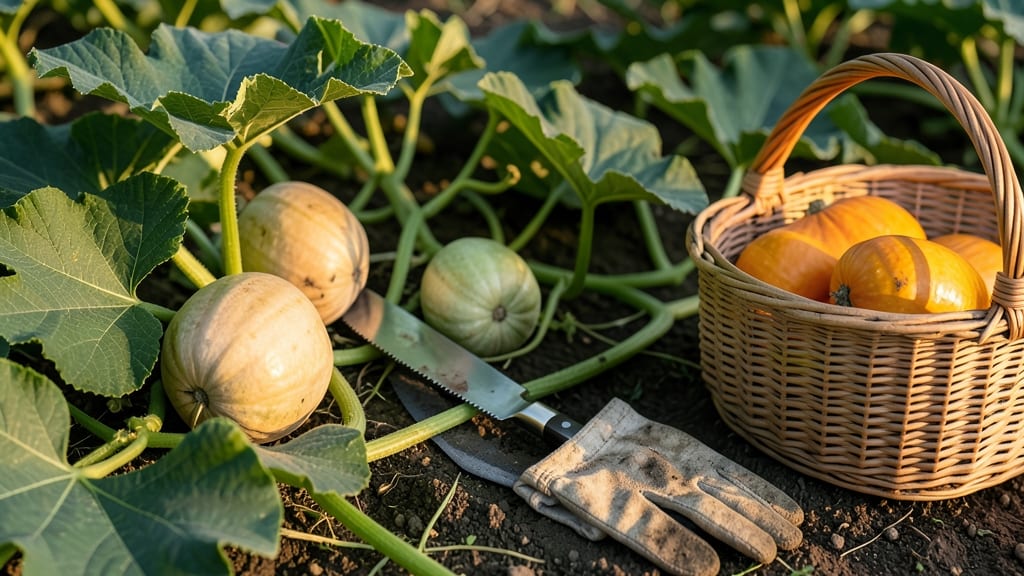
To harvest butternut squash at its sweetest, aim for 80 to 100 days after planting when the skin deepens to a rich tan and the stem dries at the neck 🎃—this is when flavor peaks and storage life begins.
Picking your butternut squash at the wrong time can mean the difference between sweet, nutty perfection and bland, stringy disappointment—so knowing exactly when to harvest is key to a bountiful harvest.
Most gardeners wait until late September or October in cooler climates like USDA Zone 6a, but warmer regions can harvest as early as August if the squash matures faster.
Below, I’ll walk you through the three foolproof signs your butternut is ready, how to adjust for your local frost date, and what to do if you miss the window.

How to identify the perfect butternut squash harvest time
Timing your butternut squash harvest correctly ensures maximum flavor and storage life. Unlike some squash varieties, butternuts don't ripen further after picking, so missing the window means sacrificing that sweet, nutty taste we all love.
The key lies in observing three primary indicators: skin color, stem condition, and physical size. When these align, you've hit the sweet spot between 80-100 days after planting.
Many gardeners make the mistake of harvesting too early because the squash looks mature but still feels soft. Others wait too long, risking frost damage or overly fibrous flesh. The good news?
These visual cues make it simple to avoid both extremes. Start checking your squash about 90 days after planting, when vines begin yellowing—this is your first signal that harvest time is near.
Here's what to look for when determining if your butternut squash is ready:
The skin color transformation is one of the most obvious signs. When butternut squash reach maturity, their skin shifts from a pale yellow-green to a rich, golden-tan hue. This color change indicates the squash has developed its full sugar content.
Pro tip: The skin should also feel dull—not shiny—as this dullness corresponds with the hardening of the rind, which protects the flesh during storage.
Pay close attention to the stem condition at the squash's neck. When ready for harvest, the stem will shrink and become papery dry. If you gently bend it, it should snap easily rather than bend.
This drying process signals that the squash has stopped growing and is ready to be picked. Ignoring this cue often leads to squash that's either too soft or too fibrous.
Size matters too! A properly mature butternut squash typically measures between 18-24 inches in length and weighs 4-8 pounds. However, don't rely solely on size—some varieties may naturally grow larger or smaller.
Instead, combine size with the other indicators. For example, a squash that's 20 inches long but still has a green stem isn't ready yet, even if it meets the weight requirement.
Climate plays a crucial role in harvest timing. In warmer regions (like USDA Zone 9+), butternuts may mature earlier and require harvesting by early fall. Meanwhile, in cooler climates (like Zone 5-6), you might need to rush harvesting before the first frost, which typically arrives in late October.
Always monitor your local frost dates and adjust your harvest schedule accordingly to avoid losing your crop.
One common mistake is harvesting based on calendar dates rather than plant signals. While butternut squash generally take 80-100 days to mature, environmental factors like temperature and sunlight can shift this timeline.
For instance, cooler weather may slow growth, while hotter conditions can accelerate it. That's why checking the plant's visual cues is far more reliable than guessing by days since planting.
If you're unsure whether your squash is ready, perform the thumb test: Press your thumbnail into the rind. If it leaves no mark, the squash is ready. If it dents easily, wait a few more days.
This simple test saves you from harvesting too early and ensures you get that perfect balance of sweetness and texture that defines a great butternut squash.
Finally, remember that butternut squash won't ripen further after harvest, so timing is everything. Once picked, store them in a cool, dry place (like a garage or basement) where temperatures stay between 50-55°F.
With proper timing and storage, your homegrown butternuts will stay fresh for months—ready to transform into soups, roasts, or pies whenever you're inspired.
3 Critical signs your butternut squash is ready to pick now
Butternut squash thrives when harvested at the perfect moment—too early, and you’ll get bland, watery flesh. Too late, and the flavor turns bitter or mealy. The key is spotting three critical signs that scream "harvest time!" Let’s break down what to look for in your garden.
First, check the skin hardness. A ripe butternut should have a skin that’s nearly impossible to pierce with your fingernail. Press gently—if it feels firm and dull, not shiny, it’s ready. This is nature’s way of telling you the sugars have fully developed for peak flavor.
Next, examine the seed development. Cut open a squash to peek inside—ripe seeds should be plump, brown, and fully formed. If they’re still white or shriveled, wait a few more days. This internal check ensures you’re not harvesting too soon, which can leave the flesh underdeveloped and stringy.
Finally, trust your nose with a flavor test. Cut a small slice and take a whiff—ripe butternut squash releases a sweet, nutty aroma. If it smells faint or grassy, it’s not ready. This scent is your final confirmation that the sugars have peaked, guaranteeing a delicious harvest.
Pro tip: Harvest in the morning when the skin is coolest. Use a sharp knife or pruning shears to cut the squash, leaving a 1-inch stem attached.
This helps prevent rot during storage. Once picked, cure your squash in a warm, dry spot for 10 days to deepen the flavor even more!
Don’t miss the window—once the vines yellow and die back, your squash may overripen quickly. Keep an eye out for these three signs, and you’ll always enjoy butternut squash at its sweetest and most flavorful. Happy harvesting! 🎃