
Trees
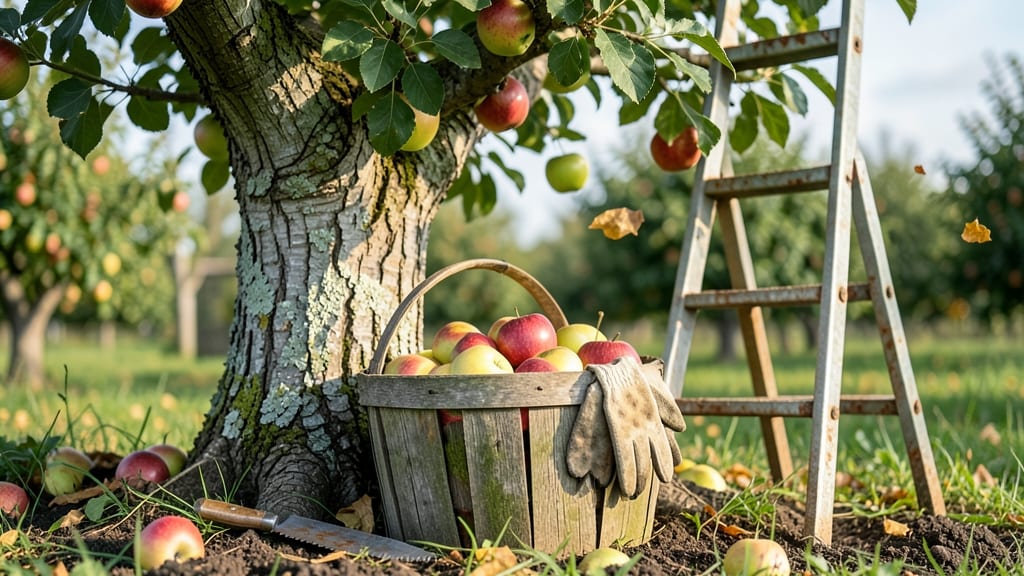
Harvesting apples at the right time ensures your 🍎 tree delivers peak flavor and texture—but timing is everything, and one wrong move can turn sweet rewards into mealy disappointment.
Picture this: you’ve waited all season, and now your apples are hanging heavy on the branches. But if you pick too soon, they’ll taste bland, and if you wait too long, they’ll rot or fall victim to pests.
The key? Understanding when your apples are truly ready—and how to test for ripeness without guessing.
In this guide, I’ll walk you through the science of apple ripening, from checking color and firmness to using the starch test for foolproof results. You’ll also learn how climate and variety affect harvest time, plus how to avoid common mistakes like picking wormy fruit or storing apples too early.
Whether you’re growing Honeycrisp for fresh eating or Granny Smiths for long-term storage, these tips will help you time your harvest perfectly—so you can enjoy apples at their absolute best.

How to determine the exact apple tree harvest time by variety
Knowing when to harvest your apple tree depends on the variety, as each type ripens at different times. Fuji and Honeycrisp apples, for example, mature later in the season, while Gala and Granny Smith may be ready earlier.
Understanding these differences ensures you pick apples at their peak flavor and texture.
Climate also plays a critical role in ripening. Cooler regions may delay harvest by 1-2 weeks compared to warmer areas. For instance, a Granny Smith in Zone 5 might ripen in late September, while the same variety in Zone 8 could be ready by mid-August.
Always monitor your local frost dates to avoid losing fruit to early cold snaps.
Color changes are the most obvious sign of ripeness, but they’re not foolproof. A red blush on Gala apples, for example, deepens as they mature, but the fruit may still need 1-2 more weeks to reach full sweetness. Combine color cues with other tests for accuracy.
| Variety | Harvest Window | Color Cues | Starch Test | Climate Note |
|---|---|---|---|---|
| Fuji | Late September - October | Deep red blush | 1-2 starch layers | Delays in cooler zones |
| Gala | Mid-August - September | Orange-red stripes | 0-1 starch layer | Early in warm climates |
| Granny Smith | Late August - September | Bright green (no yellow) | 0 starch layers | Holds firmness longer |
| Honeycrisp | Late September - October | Golden-yellow with red stripes | 0 starch layers | Sensitive to frost |
The starch test is my go-to method for pinpointing ripeness. Cut an apple cross-section and look for white rings—these indicate unripe starch.
When the flesh turns translucent, the apple is ready to eat. Granny Smith apples, for example, should have zero starch for optimal flavor, while Fuji apples may still have 1-2 faint rings at harvest.
Don’t overlook the stem separation test. A ripe apple will twist easily from the branch without the stem breaking off. If the stem snaps cleanly, the fruit needs more time. This test is especially useful for Honeycrisp apples, which can split if left too long on the tree.
Seasonal cues like day length and temperature drops also signal harvest time. In Zone 6, apples often ripen faster when nights cool below 60°F. Keep a harvest journal to track these patterns year after year—my Gala trees, for instance, always ripen 2 weeks earlier after a warm July.
For storage varieties like Granny Smith, aim to harvest slightly firmer than ideal for eating. These apples continue ripening off the tree, making them perfect for long-term storage. Honeycrisp, however, should be picked at peak ripeness—they soften quickly once harvested.
Watch for worm damage as harvest nears. If apples have holes or webbing, remove them immediately to prevent spreading. A codling moth trap near your tree can reduce infestations before harvest season.
Pro tip: Harvest on a cool, dry morning to preserve fruit quality. Use a harvest bag or basket to avoid bruising, and store apples in a shady, well-ventilated area for 24 hours before sorting.
By combining variety-specific cues, starch tests, and climate awareness, you’ll never miss the perfect harvest window again. Happy picking! 🍏🌳
5 Signs your apples are ready to pick (before they rot on the tree)
Picking apples at the right moment makes all the difference between sweet, crisp fruit and sour, mealy disappointments. Many gardeners wait too long, letting apples rot on the tree, or pick too soon, missing peak flavor.
The key is understanding your tree’s natural ripening cues—because once apples detach easily, they won’t ripen further off the branch.
I’ve learned the hard way that ignoring these signs leads to wasted harvests. For example, last season’s Honeycrisp apples turned mushy because I waited until they fell on their own. This year, I’m sharing the exact 5 ripeness indicators I now check weekly to avoid that mistake.
- 1 Color consistency: Apples develop their mature hue (e.g., red blush for Gala, deep green for Granny Smith) without green undertones.
- 2 Stem separation: Gently twist the fruit—if the stem pulls away cleanly (without tearing skin), it’s ready. Resistance means wait 3–5 days.
- 3 Size stability: Apples stop growing in diameter. Measure a few—if they’re 90% of their max size for the variety, they’re nearly ready.
- 4 Firmness test: Press gently—skin should yield slightly but not bruise. Soft spots signal overripeness and attract pests.
- 5 Aroma check: Sniff near the stem—ripe apples emit a sweet, floral scent. Lack of fragrance means they need more time on the tree.
Pro Tip: Test 2–3 apples per branch—some may ripen faster than others!
One mistake I see often is relying solely on calendar dates. While Gala apples typically ripen in early September, a late frost or drought can delay harvest by weeks. Always cross-check dates with these physical signs to avoid overripe fruit that splits or attracts pests.
For storage varieties like Granny Smith, harvest slightly firmer than eating apples—they’ll sweeten during cold storage. But if you’re growing McIntosh for immediate use, wait until they’re soft enough to dent with gentle thumb pressure.
The key is balance: pick too early, and you’ll sacrifice flavor; too late, and you risk rot or animal damage.
After harvesting, store apples in a cool (32–40°F), humid (85–90%) space like a basement. Check weekly for soft spots—discard any that develop mold to prevent spreading. With these signs mastered, you’ll enjoy crisp, flavorful apples all season long without the guesswork.