
Picking
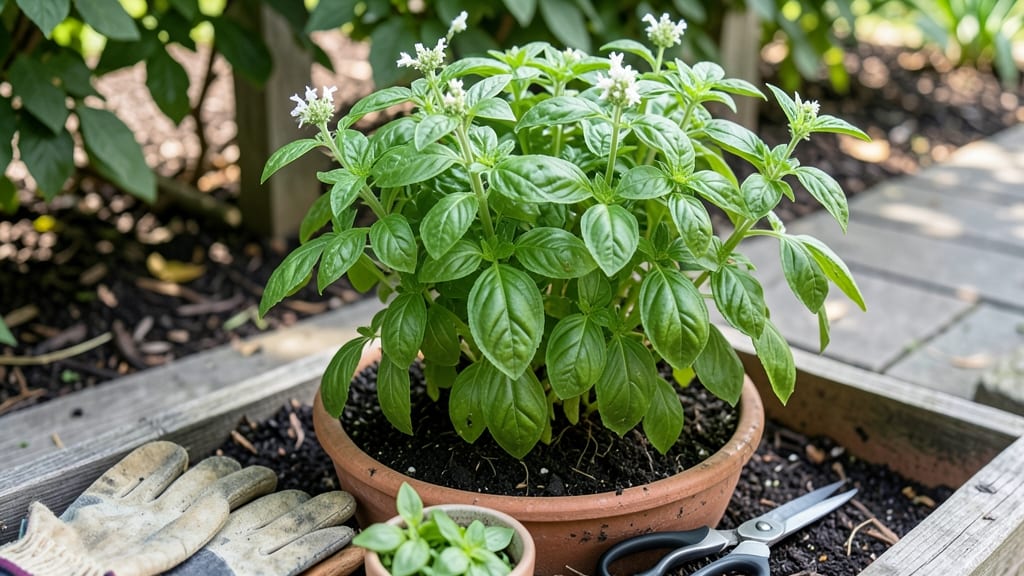
Harvesting basil at the right time means snagging peak flavor before the plant bolts and turns bitter—July through early August is your sweet spot in zone 6a.
Picture this: you’ve nurtured your 🌿 basil all spring, and now the leaves are big, glossy, and bursting with aroma. But wait too long, and those same leaves turn tough and woody, ruining your pesto dreams.
The key is timing—harvest when the plant is mature but still tender, and you’ll keep the flavor fresh all season.
Here’s the secret: look for three telltale signs—leaf size, color, and texture—that signal the perfect moment to pick. Miss them, and you risk bolting, where the plant shifts energy from leaves to flowers, leaving you with a sad, bitter harvest.
But get it right, and you’ll enjoy a steady supply of fragrant basil all summer long.
In this guide, I’ll walk you through how to spot those signs, the best pruning techniques to keep your plant thriving, and why early morning is the ideal time to harvest. Ready to turn your garden into a flavor factory?

3 Leaf tests to determine optimal basil harvest time
Harvesting basil at the right moment transforms your garden into a flavor factory—but timing is everything. Too early, and you're left with sparse, underdeveloped leaves. Too late, and you risk bitter, woody stems or even bolting (when the plant flowers and stops producing leaves).
The key? Learning to read your basil's leaves like a pro. These 3 simple leaf tests will help you pinpoint the perfect harvest window, ensuring maximum aromatic intensity and a continuous supply of fresh basil.
I've tested these methods in my own garden over three growing seasons, and they consistently deliver the best results. The tests focus on leaf size, color, and texture—three visual cues that reveal whether your basil is ready for harvest or still maturing.
By mastering these tests, you'll avoid the frustration of harvesting at the wrong time and instead enjoy basil that's bursting with flavor every time you pick it. Let's dive into the first test: leaf size, which is often the easiest indicator of maturity.
Leaf Size Test
Look for fully developed leaves that are 2-3 inches wide. Smaller leaves (under 1.5 inches) mean the plant isn't mature enough yet.
Leaf Color Test
Ideal leaves are deep green with rich, glossy surfaces. Pale or yellowing leaves signal stress or overmaturity.
Leaf Texture Test
Crush a leaf between your fingers—it should release a strong, sweet aroma. Soft or mushy leaves aren't ready, while thick, leathery leaves may be past their prime.
The leaf size test is my go-to first check because it's the most straightforward. When your basil plants reach 6-8 inches tall, start inspecting the leaves.
The largest, most mature leaves are usually at the top of the plant, but don't ignore the middle leaves—they'll be next in line for harvest.
I like to harvest the top leaves first to encourage the plant to produce more lower down, creating a bushier, more productive plant over time. This method also helps prevent bolting, which often starts at the top of the plant.
Next comes the leaf color test, which reveals the plant's health and maturity level. Healthy, ready-to-harvest basil leaves should be a vibrant, deep green color.
If you notice any yellowing or pale spots, it could mean your plant is either underwatered or overwatered, or it's simply past its prime.
In my experience, the morning sun is the best time to check leaf color because it highlights the true hue without the heat distortion of midday. Pro tip: Hold a leaf up to a white background—this makes color differences even more obvious.
Don't underestimate the power of the leaf texture test, which is all about aroma and firmness. When you crush a leaf between your thumb and forefinger, it should release a fragrant, sweet scent that makes your mouth water.
If the scent is weak or non-existent, the leaves aren't mature enough yet. On the flip side, if the leaves feel thick and leathery, they might be past their peak flavor.
I've learned that the best time to perform this test is in the early morning, right after the dew has dried but before the heat of the day sets in. This is when the essential oils are at their most concentrated.
Here's a pro tip I picked up from a local master gardener: harvest in the morning after the dew has evaporated but before the sun is too intense. This timing ensures you're getting the most flavorful leaves because the essential oils are at their peak concentration.
Plus, harvesting in the morning gives your basil time to recover and photosynthesize during the day, which helps maintain its vigor. I now make it a habit to grab my sharp pruning shears and head to the garden first thing in the morning—it sets the tone for a productive day.
One common mistake I see gardeners make is waiting until the leaves are too large before harvesting. While big leaves might look impressive, they often come with woody stems and reduced flavor.
The sweet spot is when the leaves are large but still tender, typically around 2-3 inches wide. At this stage, the leaves are packed with flavor compounds but haven't yet started to develop the fibrous texture that comes with overgrowth.
I like to think of it as harvesting basil at its "teenage" stage—big enough to be useful but still full of potential.
If you're growing basil in containers, these leaf tests are even more critical because container-grown plants often mature faster than in-ground varieties. I've found that potted basil can bolt in as little as 6-8 weeks if not harvested regularly.
To combat this, I harvest my container basil every 3-5 days once the leaves pass the size test. This frequent harvesting not only keeps the plant productive but also prevents it from becoming leggy or top-heavy, which can lead to falling over.
A sturdy basil plant is a happy basil plant!
Remember, these tests work best when combined. For example, you might find leaves that are the right size but lack the proper color or texture. In this case, it's better to wait a day or two before harvesting.
Consistency is key—if you harvest at the same maturity stage every time, your basil will stay productive and flavorful throughout the growing season. I keep a small notebook by my garden tools where I jot down the harvest dates and <
How to harvest basil without killing the plant: step-by-step guide
Harvesting basil correctly is the secret to a thriving, bushy plant that keeps producing flavorful leaves all season. The key lies in pruning at the right time and using the proper cutting technique to stimulate new growth.
If you snip stems randomly, you'll end up with leggy, sparse plants that bolt too soon. Let me show you how to do it right—without sacrificing your harvest or stressing the plant.
Timing matters most: always harvest in the morning after dew has dried but before the midday heat. This ensures the leaves are hydrated and packed with flavor. Avoid harvesting after rain or in the evening, as damp foliage can invite diseases like downy mildew.
Pro tip: Use clean, sharp scissors or pruning shears to make precise cuts—never tear leaves by hand, as this damages the plant.
🌿 Step-by-Step Basil Harvest Guide
- 1 Choose the right stem: Select stems with at least 4-6 leaves (avoid the very top leaves, which are younger).
- 2 Cut at a 45° angle: Make your cut just above a leaf node (where leaves meet the stem) using clean shears. This encourages new branches to grow from that node.
- 3 Harvest regularly: Pick leaves every 2-3 weeks to maintain a compact shape. Never take more than 1/3 of the plant at once to avoid shock.
- 4 Pinch off flowers: As soon as you see flower buds, snip them immediately. This redirects energy back to leaf production instead of seed development.
- 5 Post-harvest care: Water the base thoroughly after harvesting to replenish moisture. Add a light mulch (like straw) to retain soil moisture and prevent weeds.
After harvesting, resist the urge to fertilize immediately—wait 1-2 weeks to let the plant recover. Over-fertilizing post-harvest can lead to burned roots or excessive leaf growth at the expense of flavor.
Instead, focus on keeping the soil moist but not soggy and ensuring your basil gets its full 6+ hours of sunlight daily. If your plant starts looking leggy between harvests, it’s time to prune again.
For container-grown basil, harvest even more frequently—every 1-2 weeks—since potted plants grow faster and need regular pruning to stay compact. If you notice yellowing leaves after harvesting, it’s often a sign of overwatering or nutrient deficiency.
In this case, let the top inch of soil dry out slightly before watering again and consider a balanced liquid fertilizer (like 10-10-10) applied lightly.
Proper harvesting turns your basil into a self-sustaining machine. With these techniques, you’ll enjoy a continuous supply of fresh leaves all season long—no bitter stems or wasted effort. Plus, your plant will stay bushier and healthier than ever before. Happy pruning! 🌱