
Vegetables
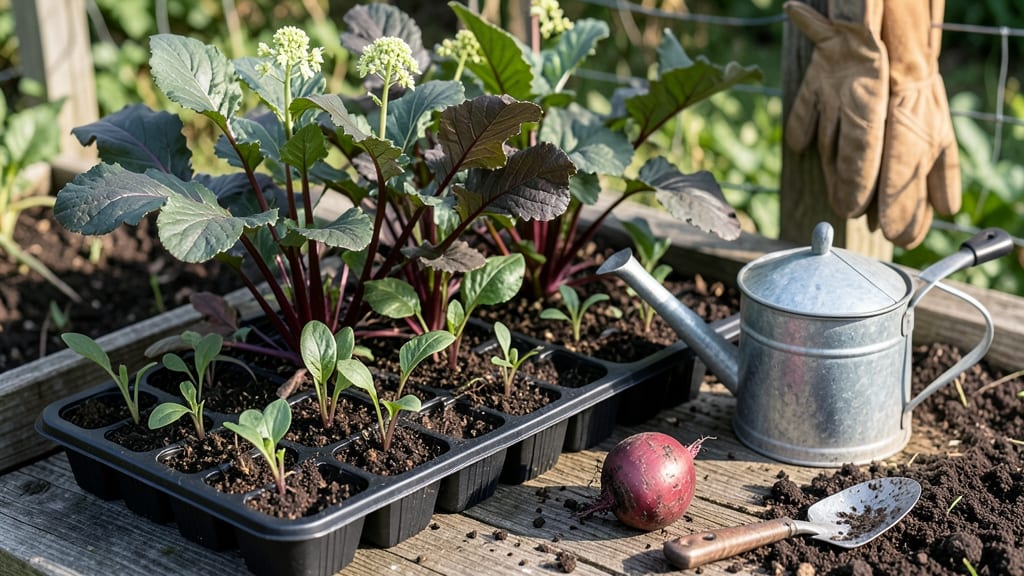
Beetroot seed to harvest time takes just 50–70 days when you follow the right rhythm—no guesswork, no waiting months for those deep, earthy roots.
Picture this: You plant your seeds in early spring, and by late summer, you’re pulling out plump, vibrant 🍠 beetroots ready for roasting or salads. But here’s the catch—skipping a step or two can stretch that timeline, leaving you with tough, woody roots instead of tender, sweet ones.
Timing isn’t just about days in the ground; it’s about soil warmth, consistent moisture, and knowing when those leaves signal it’s harvest time. Too little space? Your roots will fight for nutrients. Too much heat? They’ll bolt before reaching full size.
In this guide, I’ll break down the exact week-by-week milestones—from seedling sprouts to harvest-ready roots—plus how to adjust for your climate so you’re pulling roots at their peak in under two months.

Beetroot seed to harvest timeline: week-by-week growth stages
Tracking your beetroot's progress week-by-week ensures you don't miss the ideal harvest window. From tiny sprouts to earthy, edible roots, each stage brings distinct changes that signal what care your plants need next.
Understanding these milestones helps you plan for succession planting or adjust care to prevent common issues like bolting or woody cores.
Beetroots typically take 50-70 days from seed to harvest, depending on the variety. Baby leaf varieties mature faster (around 45-50 days), while larger heirloom types may need 70-90 days. Your climate and growing conditions will also influence timing—cooler weather slows growth, while consistent warmth speeds it up.
Here’s a detailed breakdown of what to expect at each stage, so you can anticipate needs like thinning seedlings, fertilizing, or harvesting.
In weeks 1-2, your beetroot seeds will germinate if soil stays consistently moist and warm. Aim for a soil temperature of at least 50°F (10°C)—colder temps delay sprouting. Once seedlings emerge, watch for the first true leaves, which signal the start of active growth.
This is also the perfect time to thin seedlings to prevent overcrowding, which stunts root development.
By weeks 3-4, your beetroot plants will develop their signature broad, dark green leaves. The roots begin forming underground, so ensure the soil remains loose and free of clumps.
If you planted seeds too closely, thin again to 3-4 inches apart to give roots room to expand. Add a 1-inch layer of mulch to retain moisture and suppress weeds.
During weeks 5-6, you’ll notice the roots starting to swell and take shape. This is when beetroots transition from leafy greens to recognizable bulbs. Keep the soil consistently moist but not soggy—waterlogging causes rot.
If your plants look pale or leggy, they may need more sunlight or a light balanced fertilizer (5-10-10 NPK ratio).
By weeks 7-8, your beetroots should be 1-2 inches in diameter and developing their signature color. This is the ideal time to check for harvest readiness if you’re growing baby beets.
For larger varieties, continue nurturing with deep watering and weed control. Watch for pests like leaf miners or aphids, which can stress your plants.
In the final weeks 9-10, your beetroots are ready for harvest if they’ve reached 2-3 inches in diameter and have a smooth, firm skin. For heirloom varieties, you can wait until 3-4 inches for a larger root.
Harvest on a dry day to prevent soil from sticking to the roots. Use a fork to gently loosen the soil before pulling to avoid damaging the roots.
Pro tip: If your beetroots start to bolt (send up flower stalks), they’ve likely experienced stress from heat or drought. Harvest immediately or pull the plants—they’ll become woody and tough.
With the right care, you’ll enjoy a 70-day journey from seed to harvest, filled with vibrant, earthy roots ready for your kitchen! 🌱
How to speed up beetroot growth: soil, water, and light secrets
Beetroots thrive when given the right conditions, but rushing them to harvest requires precision. The key to cutting down your beetroot seed to harvest time lies in three critical factors: soil quality, watering consistency, and sunlight exposure.
With these optimized, you can shave weeks off the typical 70-day window while avoiding common pitfalls like bolting or stunted growth.
Start with loose, nutrient-rich soil that drains well but retains moisture. Beetroots hate soggy roots, yet they also need steady hydration. Aim for a pH between 6.0 and 7.0—too acidic or alkaline, and your plants will struggle to absorb essential nutrients, slowing their growth.
A simple soil test kit can save you guesswork here.
🌱 Pro Tip: Speed Up Germination
Soak beetroot seeds in lukewarm water for 4-6 hours before planting. This boosts germination by 20-30%, giving you a head start on the 70-day harvest window. Plant seeds ½ inch deep in rows spaced 12 inches apart to prevent overcrowding.
Once your seeds sprout, consistent watering becomes your best ally. Beetroots need about 1 inch of water per week, but adjust based on your climate.
In hotter months, water daily in the morning to prevent evaporation and fungal risks. Avoid wetting the leaves—direct soil watering keeps roots healthy and growth steady.
Sunlight is non-negotiable for speedy beetroot growth. Plant in a spot with at least 6 hours of direct sun daily. Without enough light, your beetroots will grow pale, elongated, and slow.
If you're growing in containers, place them on a south-facing windowsill or use grow lights for 12-14 hours a day to compensate for shorter daylight hours.
Thinning seedlings is another game-changer. Once your beetroot seedlings reach 2 inches tall, thin them to 3-4 inches apart. This reduces competition for nutrients and water, allowing each plant to bulk up faster. Use sharp scissors to avoid disturbing the roots of neighboring plants.
Finally, mulch around your beetroot plants with straw or compost to lock in moisture and regulate soil temperature. This simple step can cut down on watering frequency by 30%, keeping your beetroots on track for a 70-day harvest without stress.
Watch for dark green, lush leaves and roots reaching 1-2 inches in diameter—your cue to harvest!