
Vegetables
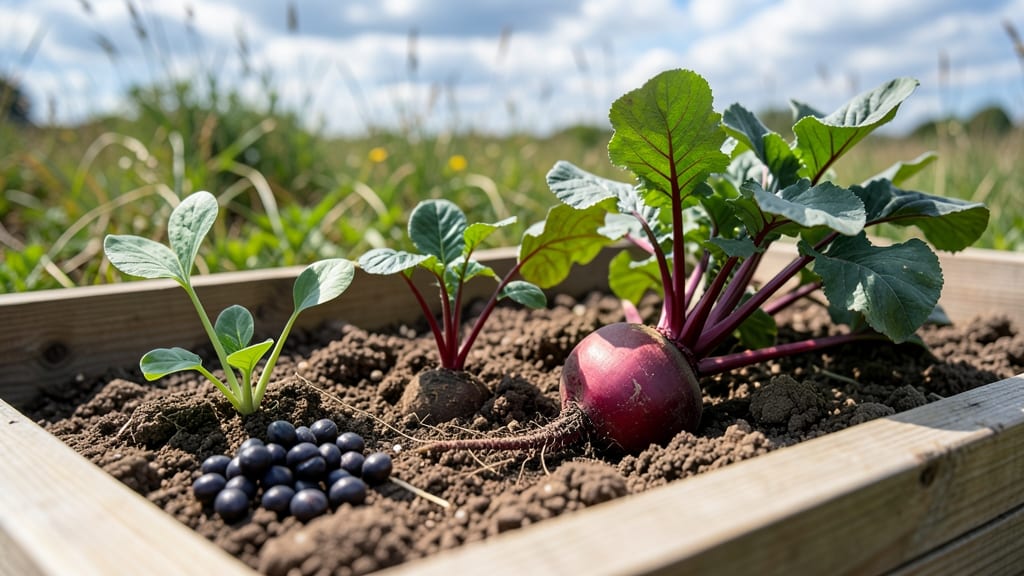
Harvesting beets from seed to table in 50 days is entirely possible with the right timing and care — the key is matching your variety to your climate and knowing when to pull them for peak sweetness.
Picture this: you’ve waited patiently, but now your beets are either still tiny or turning woody. That’s the difference between a perfect harvest and disappointment. The secret? Understanding your beet’s exact seed-to-harvest window and adjusting for your local growing conditions.
From quick-growing baby greens to full-sized roots, each beet variety has its own timeline. Some mature in as little as 45 days, while others take up to 70 days.
I’ll break down the exact days for popular types, plus how to tweak your planting schedule for your zone to avoid common mistakes like bolting or tough roots.
By the end, you’ll know exactly when to dig for tender roots or harvest the greens, plus how to extend your harvest season with simple tricks. Let’s get those 🥕 growing!

Beet seed to harvest time: exact days by variety for root and greens
If you've ever wondered why your beets took longer than expected to mature—or why some varieties seem ready to harvest weeks earlier than others—it's all about the seed-to-harvest timeline.
Beets aren't one-size-fits-all; each variety has its own days-to-maturity window, and knowing these exact numbers means the difference between tender, flavorful roots and tough, woody disappointments.
Let's break down the harvest windows for popular varieties, including when to pull for roots vs. greens, and how soil temperature affects your timeline.
Most gardeners focus solely on root size, but did you know you can harvest beet greens as early as 30 days after sowing? This dual-purpose plant gives you two harvests in one—leafy greens first, then full-sized roots.
The key is understanding each variety's ideal harvest window and adjusting for your local soil temperature. Cooler soils slow germination, while warmer conditions speed things up. Let’s dive into the specifics so you can plan your garden like a pro.
| Variety | Root Harvest Days | Greens Harvest Days | Soil Temp for Germination | Best For |
|---|---|---|---|---|
| Detroit Dark Red | 50-60 days | 30-40 days | 50-85°F | Classic roots, canning |
| Golden Beets | 45-55 days | 28-35 days | 55-80°F | Sweet roots, fresh eating |
| Chioggia (Striped) | 60-70 days | 35-45 days | 50-75°F | Gourmet roots, salads |
| Baby Beets (e.g., 'Little Ball') | 30-40 days | 25-30 days | 55-85°F | Quick harvests, snacks |
| Bull's Blood | 55-65 days | 30-40 days | 50-70°F | Deep red leaves, roots |
Take Detroit Dark Red, for example—the gold standard for home gardens. It needs 50-60 days to reach its ideal root size of 2-3 inches in diameter, but you can start harvesting greens at just 30 days.
This variety thrives in soil temperatures between 50-85°F, but if your spring soil is still chilly (below 50°F), germination can take 2-3 weeks longer. That’s why I always wait until the soil warms up before sowing in early spring.
On the other hand, Golden Beets are the speed demons of the beet world. They mature in just 45-55 days for roots and can be harvested for greens as early as 28 days. Their soil temperature preference (55-80°F) makes them perfect for late spring or early summer plantings.
If you’re in a warmer climate (Zone 8+), you can even squeeze in a fall harvest by planting in July.
For those who love a visual treat, Chioggia Beets—with their stunning pink-and-white striped roots—take the longest to mature, needing 60-70 days for full-sized roots. Their greens are edible at 35 days, but the roots are worth the wait.
These beets prefer cooler soil (50-75°F), making them ideal for early spring or late summer plantings in hotter climates.
Don’t overlook Baby Beets like 'Little Ball' if you’re short on space or impatient for harvests. These tiny powerhouses mature in just 30-40 days for roots and can be harvested for greens as early as 25 days.
They’re perfect for succession planting every 2-3 weeks to keep a steady supply of tender greens and bite-sized roots all season long.
Now, here’s a pro tip:
How to adjust harvest timing for climate zones and soil conditions
Your USDA hardiness zone and soil fertility play huge roles in whether your beets reach harvest readiness on schedule. In cooler climates like Zones 3-5, germination slows below 50°F soil temps, while warmer zones (6-10) may need shade to prevent bolting.
The key is adjusting planting times and using season-extending tools to match your beet variety’s ideal 50-70 day harvest window.
For example, in Zone 4, I start beets indoors under grow lights in early March, then transplant after the last frost. Meanwhile, in Zone 8, I use shade cloth during summer’s peak heat to prevent premature bolting.
Your soil’s organic matter content also affects timing—amending with compost can speed up root development by 10-15 days compared to poor soil.
-
1Zone 3-5: Use row covers to extend spring by 3-4 weeks. Plant Detroit Dark Red (60 days) in late April for July harvest.
-
2Zone 6-7: Try succession planting every 2 weeks from March to August. Baby Beets (45 days) mature faster in warm soil.
-
3Zone 8-10: Plant Chioggia (65 days) in fall (Sept-Oct) for winter harvest. Use mulch to protect roots from frost.
-
4Poor soil? Add compost (2 inches) before planting. Low fertility delays harvest by 10+ days—test soil pH (aim for 6.0-7.0).
-
5 Drought risk? Water deeply 2x/week during root formation. Underwatering causes stunted growth and bitter roots.
In my Zone 5 garden, I’ve found that succession planting every 3 weeks from late April to early July ensures a steady supply of baby beets (harvest at 30-40 days) and full-sized roots.
For extended harvests, I plant Golden Beets (55 days) in early June and Detroit Dark Red in late July—this staggered approach gives me beets from July through October.
Don’t overlook soil amendments like aged manure or bone meal. These boost phosphorus, which speeds up root bulb formation. I mix in 1 cup per 10 sq ft at planting time, and it shaves 5-7 days off the harvest timeline.
Just avoid over-fertilizing with nitrogen—it promotes leafy growth at the expense of root development.
For cooler microclimates, like high-elevation gardens, I use black plastic mulch to warm the soil by 5-10°F, accelerating germination. Pair this with floating row covers to protect young seedlings from late frosts.
In hot climates, I opt for shade cloth (30-50%) during peak afternoon sun to prevent bolting.
Pro tip: Keep a planting journal to track your local adjustments. Note when you sow, thin, and harvest—this helps refine timing year after year. With these climate-specific tweaks, you’ll consistently hit that sweet spot between tender roots and peak flavor, no matter where you garden. 🌱