
Picking
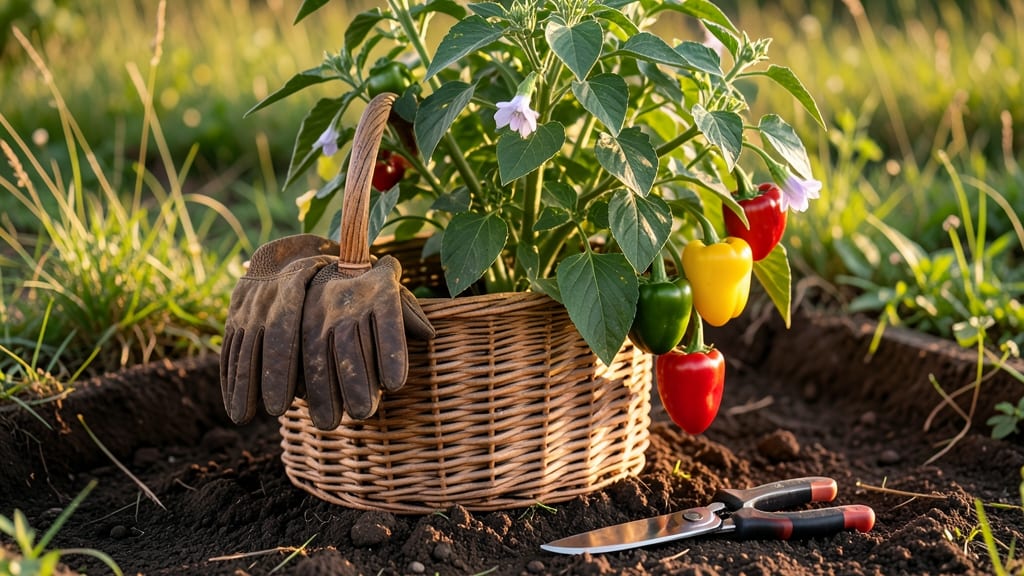
Harvesting bell peppers 🌶️ at the right time means the difference between a crisp, flavorful bite and a meal ruined by tough, bitter pods.
Picture this: you’ve nurtured your plants all season, and now the moment of truth arrives. But how do you know when those peppers are truly ready? Miss the window, and you’re left with overripe fruit—or worse, peppers that never reach their full potential.
In this guide, I’ll walk you through the exact cues to watch for—from color and size to the snap test that guarantees peak flavor. Whether you’re in Zone 6a or beyond, these tips will help you maximize your harvest from July through October.
You’ll also discover how to extend your pepper’s prime, avoid common mistakes, and keep your plants producing long after the first frost. Let’s get started!


When to harvest bell peppers by color & ripeness stage
Harvesting bell peppers at the right color stage ensures peak flavor and texture. Unlike tomatoes, bell peppers don’t ripen well off the vine, so timing is everything. Color shifts from green to yellow, orange, or red signal ripeness—but don’t let these visual cues fool you.
The true maturity depends on both pigment and physical traits like size and firmness.
I’ve grown bell peppers for over a decade, and I’ve learned that green peppers often get overlooked. While they’re perfectly edible, waiting for color changes can unlock sweeter, more complex flavors. For example, a red bell pepper has up to 10 times more vitamin C than its green counterpart.
But how do you know when to pick them? Let’s break it down by color and ripeness.
Here’s a quick reference to guide your harvest timing by pepper color and maturity cues:
| Color Stage | Size Benchmark | Days to Maturity | Flavor Profile | Harvest Tip |
|---|---|---|---|---|
| Green | 3-4 inches long | 60-75 days | Mild, slightly bitter | Harvest when firm and glossy; stem snaps easily |
| Yellow | 4-5 inches long | 70-80 days | Sweet, slightly tangy | Wait for full color change; avoid pale yellow |
| Orange | 4-5 inches long | 75-85 days | Balanced sweetness and earthiness | Check for deep, consistent hue; stem should be brown |
| Red | 4-6 inches long | 80-90 days | Rich, sweet, complex | Harvest when fully red; overripe peppers turn dull |
| Purple | 3-5 inches long | 70-80 days | Mild, slightly floral | Harvest when deep purple; may revert to green if left too long |
Green bell peppers are the most common harvest stage, especially in commercial farming. They’re typically ready to pick around 60-75 days after transplanting, depending on your USDA zone.
In my Zone 6a garden, I start seeing green peppers in early July, but the timing shifts slightly if you’re in a warmer climate like Zone 9—expect harvests as early as June.
For colored varieties, patience pays off. Yellow peppers, for instance, take an extra 5-10 days beyond green to develop their signature hue. I’ve found that morning harvests work best for colored peppers because the cooler temperatures preserve their vibrant color.
Avoid picking in the heat of the day, or you might end up with peppers that revert to green.
Red bell peppers are the crown jewels of the harvest, but they’re also the most delicate. They take the longest to mature—often 80-90 days—and their flavor deepens as they ripen. One year, I left a red pepper on the vine too long, and it turned dull and wrinkled.
Lesson learned: when the color shifts fully and the stem snaps cleanly, it’s time to pick!
Don’t overlook purple bell peppers, either. They’re less common but pack a unique flavor. These varieties can be tricky because they sometimes revert to green if left on the vine too long.
I recommend harvesting them when they’re fully purple and still firm to the touch. Their floral notes make them a fantastic addition to salads or stuffing mixtures.
Regardless of color, all bell peppers should feel firm and glossy at harvest. If the skin feels soft or wrinkled, the pepper has overripe. Overripe peppers lose their sweetness and can develop a bitter or mealy texture.
To test ripeness, gently press your thumbnail into the pepper’s skin. If it springs back immediately, it’s ready. If it leaves a dent, wait a day or two.
Pro tip: Use a sharp pair of pruning shears or scissors to harvest peppers. Twisting or pulling can damage the plant and make it susceptible to disease. Always leave a small portion of the stem attached to the pepper—this helps preserve its freshness longer.
Store harvested peppers in a cool, dry place (like a ventilated crate
The snap test & 5 other signs your bell peppers are ready
Beyond just checking the color, there are subtle but critical signs that tell you when your bell peppers are truly ready for harvest. I’ve learned the hard way that waiting for perfect ripeness—rather than picking too early or too late—makes all the difference in flavor and texture.
The snap test alone can save you from harvesting peppers that are still too tough or bitter. Let’s break down the foolproof methods I use every season.
One of the easiest ways to check ripeness is by examining the stem separation. When a pepper is ready, the stem should pull away cleanly from the plant with just a slight twist. If it resists or tears, it’s not quite time.
This method works for all bell pepper varieties, from classic green to vibrant reds and yellows. I always test a few peppers on the same plant to confirm consistency, as some may mature faster than others.
- 1
- 2
- 3
- 4
- 5
Don’t rely solely on color—some peppers, like yellow or orange varieties, can stay green-tinged even when fully ripe. I’ve picked peppers based on color alone only to find them tough and seedy inside.
Always combine the snap test with stem color and texture for the most accurate results. This combo has never failed me, even with tricky heirloom varieties.
One common mistake I see gardeners make is harvesting peppers too late. Overripe peppers develop a wrinkled texture and bitter flavor, which is especially noticeable in red bell peppers.
If you miss the window, don’t despair—you can still use them in cooked dishes, but fresh eating is best when they’re at their peak. I always prioritize picking in the morning when temperatures are cooler, as this preserves their crispness.
Pro tip: If you’re unsure, harvest a few peppers a day apart and compare them. This hands-on approach helps you train your eye for future seasons. The more you practice these tests, the more intuitive it becomes to know exactly when your bell peppers are ready to pick.
Trust your senses—your garden will thank you with a bountiful, flavorful harvest. 🌶️