
How To
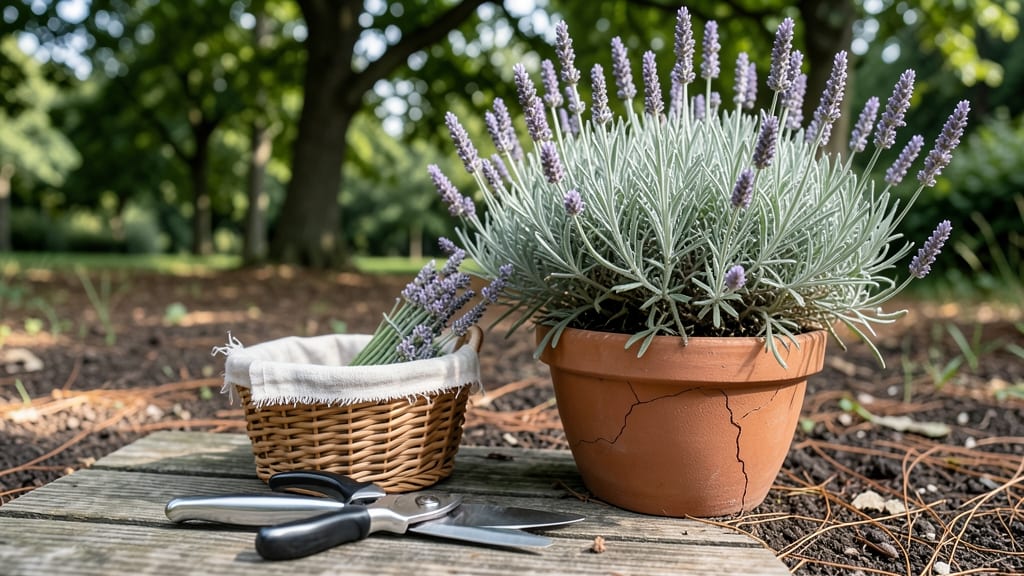
Harvesting lavender at the bud stage is the secret to unlocking its richest fragrance and highest essential oil content 🌿 — and timing it wrong can leave you with weak, flavorless stems.
Picture this: you’ve waited all summer for your lavender to bloom, only to cut it too late and end up with flowers that smell faintly of soap instead of the sweet, floral aroma you crave. That’s because lavender’s essential oils peak just before the buds fully open, not after.
In USDA Zone 6a, the best window is mid-to-late summer when buds turn purple but haven’t yet unfurled. But regional differences matter—Mediterranean climates might harvest a month earlier, while cooler zones could stretch it into early fall.
Below, I’ll walk you through the exact visual cues to watch for, the tools you’ll need, and how to dry your harvest for maximum potency—so you never miss the perfect moment again.

Lavender bud stage guide: when to harvest for Optimal fragrance and oil content
Timing your lavender harvest correctly ensures the highest essential oil content and most intense fragrance. Unlike many herbs, lavender’s oil concentration peaks just before the buds fully open—harvesting too early or late reduces both quality and yield.
Understanding the three key growth stages (pre-bud, bud, and flower) helps you make precise cuts for maximum potency.
The science behind lavender’s oil content reveals that essential oils are most concentrated when buds are 70-80% open. At this stage, the plant has synthesized its highest linalool and linalyl acetate levels—the compounds responsible for that signature lavender scent.
Waiting until flowers fully bloom reduces oil content by up to 40%, while harvesting too early means underdeveloped buds with weak fragrance.
Visual cues are your best guide. Look for bud clusters turning from green to lavender, with tight, compact flower heads that haven’t yet started spreading. The stems should feel woody but flexible, not brittle or overly dry.
These signs indicate the ideal harvest window, typically occurring in mid-to-late summer for most U.S. regions (USDA Zones 5-9).
Regional climate plays a critical role. In Mediterranean climates (like California or the Pacific Northwest), lavender often blooms earlier—May to early June—while in cooler temperate zones (e.g., New England), the peak harvest window shifts to July or August.
Always adjust by 1-2 weeks based on your local last frost date and seasonal temperatures.
| Stage | Visual Cues | Harvest Time | Oil Content | Fragrance |
|---|---|---|---|---|
| Pre-Bud | Green stems, no visible buds | Not ready | Low (1-2%) | None |
| Bud Stage | Tight purple-green buds, 70-80% closed | Optimal (mid-morning) | Peak (2.5-3.5%) | Strong, sweet |
| Flower Stage | Open blooms, spreading petals | Too late | Low (1.5-2%) | Mild |
Morning harvests yield the best quality lavender because essential oils are most concentrated after a cool night and before the midday heat causes evaporation. Aim to cut stems when dew has dried (around 8-10 AM) but before temperatures rise above 75°F (24°C).
This timing preserves up to 30% more oil compared to afternoon harvests.
For dwarf varieties (like 'Hidcote' or 'Munstead'), harvest stems 3-4 inches tall to encourage bushier growth. With standard lavender (e.g., 'English Lavender'), cut stems to 6-8 inches above the base. Always use sharp pruning shears to avoid crushing stems, which can damage oil glands and reduce fragrance.
Climate adjustments are essential. In hot, dry regions (e.g., Arizona or Texas), lavender may bloom earlier due to longer daylight hours, while cooler maritime climates (like the UK or Pacific Northwest) can delay blooming by 2-3 weeks.
Monitor your plants weekly starting in late spring—the first buds to appear are your earliest harvest indicators.
Pro tip: Crush a few buds before harvesting to test fragrance. If the scent is weak or absent, wait 3-5 days for oil synthesis to peak.
Over-harvesting in one session can stress the plant; instead, harvest no more than 1/3 of stems at a time to maintain vigor for future blooms.
After harvesting, bundle stems and hang them upside-down in a dry, dark, well-ventilated space for 2-3 weeks. Proper drying preserves 90% of essential oils and fragrance. Store dried lavender in airtight containers away from light to extend shelf life up to 2 years.
By mastering these bud stage cues and climate adjustments, you’ll transform your lavender harvest from ordinary to exceptionally fragrant and oil-rich, perfect for sachets, potpourri, or even homemade essential oil extraction.
5 Key signs your lavender is ready for harvest (and 3 mistakes to avoid)
Knowing when to harvest lavender isn’t just about waiting for flowers to appear—it’s about catching those buds at their peak before they open. The difference between a fragrant, oil-rich harvest and a weak one often comes down to these 5 subtle but critical signs that your lavender is ready.
Miss them, and you might end up with stems that smell more like hay than the sweet, floral aroma you love.
I’ve harvested lavender for years, and the best yields always come from plants where the buds are firm, compact, and just beginning to shift color. That’s when the essential oils are at their highest concentration.
But timing isn’t the only factor—using the wrong tools or harvesting too aggressively can stress your plant and reduce future blooms. Let’s dive into the exact cues to watch for and the mistakes that could ruin your harvest.
Bud Clusters Are Firm and Just Beginning to Turn Color
Look for buds that are compact and tightly packed, not yet unfurling. They should be shifting from green to a soft purple hue—this indicates peak oil content.
Stems Feel Sturdy but Flexible, Not Dry or Brittle
Gently squeeze the stems—if they bend slightly but don’t snap, they’re ready. Overly dry or woody stems mean you’ve waited too long.
Strong, Sweet Fragrance When Gently Rubbed
Crush a few buds between your fingers—if they release a rich, floral scent, they’re prime for harvest. Weak or no fragrance means they’re past their peak.
Early Morning Harvest on a Dry, Sunny Day
Harvest in the morning after dew has dried to preserve moisture and oils. Avoid harvesting after rain or in humid conditions.
Never Cut More Than One-Third of the Plant
Over-harvesting weakens the plant and can reduce future blooms. Always leave at least two-thirds of the stems intact for regrowth.
Now, let’s talk about the 3 biggest mistakes I’ve seen gardeners make when harvesting lavender—and how to avoid them. First, using dull or dirty pruning tools can crush stems and damage the plant.
Always use sharp, clean bypass pruners or garden shears to make clean cuts just above a leaf node. Second, harvesting when the buds are fully open means you’re missing the peak oil content, which is highest just before the flowers unfurl.
Finally, cutting stems too short can stunt new growth and leave your lavender looking ragged.
One more pro tip: after harvesting, bundle stems in small groups and hang them upside down in a dry, dark place for 2-3 weeks. This preserves the oils and fragrance, giving you lavender that smells as good as the day you picked it—even months later.
Just avoid rushing the drying process, or you’ll end up with brittle, flavorless stems.
Timing your lavender harvest correctly isn’t just about getting the best scent—it’s about protecting your plant’s health for years of future blooms. Follow these signs, avoid these mistakes, and you’ll always know when your lavender is ready to be turned into sachets, oils, or homemade potpourri.