
How To
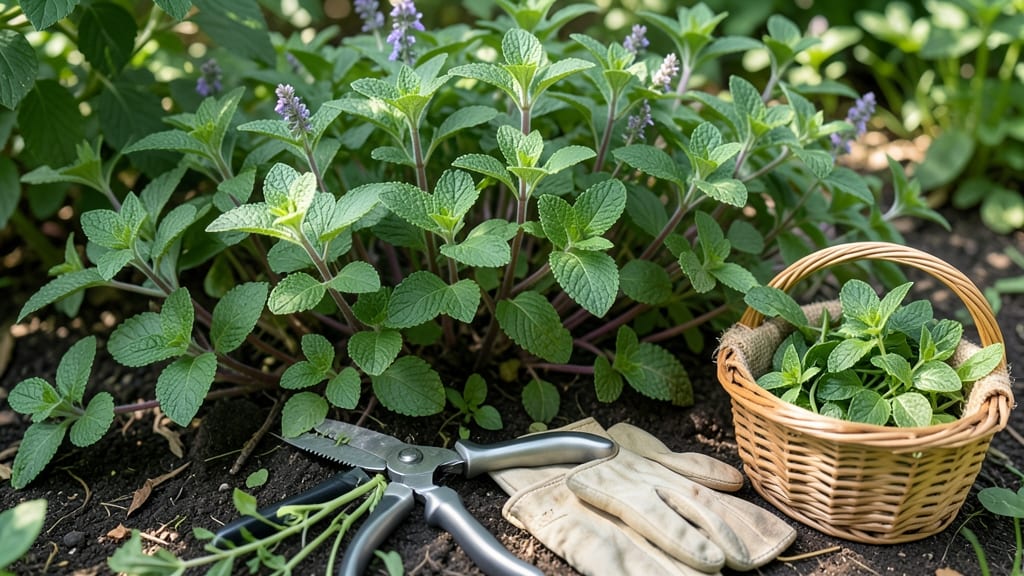
Harvesting mint the right way means using the pinch-and-pull technique to keep your 🌿 thriving all season long.
If you’ve ever snipped mint stems randomly and watched your plant slow down or even bolt, you’re not alone. The key to continuous growth lies in how—and when—you harvest. A few simple steps can turn a struggling herb into a lush, high-yielding plant that keeps producing fresh leaves for months.
This method works best when you target the right stems, avoid cutting too close to the base, and time your harvests to encourage regrowth.
Whether you’re growing mint in pots or garden beds, mastering these techniques ensures you’ll always have fresh leaves for teas, cocktails, or cooking—without sacrificing the plant’s health.
Below, I’ll walk you through the exact steps, tools, and timing to harvest mint the best way, along with pro tips to store your harvest and keep your plant flourishing year after year.

Step-by-step guide to the pinch-and-pull mint harvesting method
Harvesting mint correctly is the secret to a lush, high-yielding plant that keeps producing fresh leaves all season. The pinch-and-pull method encourages bushier growth by stimulating new shoots from the base.
Unlike harsh cutting, this gentle technique preserves the plant's energy while giving you a steady supply of aromatic mint leaves for teas, cocktails, or cooking.
Timing matters most—harvest when stems reach 4-6 inches tall and leaves are fully unfurled but still dark green. This ensures you get the strongest flavor while preventing the plant from flowering, which makes leaves bitter.
I’ve found that harvesting in the morning gives me the freshest leaves with the most potent aroma.
How to Harvest Mint Using the Pinch-and-Pull Method
-
Step 1: Choose the Right Stems
Select stems that are 4-6 inches tall with at least 4-6 mature leaves. Avoid harvesting stems with flowers or woody bases. -
Step 2: Pinch the Top Growth
Use your thumb and forefinger to gently pinch off the top 1-2 inches of growth, just above a set of leaves. This encourages lateral branching. -
Step 3: Pull Side Shoots
Look for smaller side shoots growing from the main stem. Gently pull these off by hand—no need for scissors. These shoots will grow into new stems. -
Step 4: Harvest Lower Leaves (Optional)
If stems are long, pinch off the bottom 2-3 leaves to keep the plant compact. Never cut more than 1/3 of the plant at once. -
Step 5: Clean and Store
Rinse leaves under cool water to remove dirt, then pat dry with a clean towel. Store in the fridge for up to 1 week or dry for long-term use.
When harvesting mint, focus on the outer stems first to maintain airflow and prevent fungal issues. I avoid cutting into the woody center of older plants, as this can stress the mint and reduce future yields. Instead, I prioritize younger, flexible stems that are easier to regrow.
For container-grown mint, the pinch-and-pull method works even better because it prevents the plant from becoming top-heavy. I’ve seen potted mint double in size within 4-6 weeks when harvested correctly. Just be sure to water thoroughly after harvesting to help the plant recover.
Seasonal adjustments are key—harvest more frequently in spring and summer when growth is rapid, and reduce harvesting in fall as the plant prepares for dormancy. In my garden, mint harvested in June and July always has the most intense flavor, perfect for homemade teas and desserts.
If your mint starts producing flower buds, pinch them off immediately. Flowering signals the end of the plant’s productive cycle, and the leaves will taste bitter. I’ve saved many mint plants from bolting by staying vigilant with regular harvesting.
After harvesting, I always inspect the plant for yellowing or damaged leaves. Removing these ensures the plant directs its energy toward healthy growth. A well-maintained mint plant can produce harvests every 2-3 weeks throughout the growing season.
For dried mint, bundle stems and hang upside down in a dark, dry place for 1-2 weeks. The leaves will crisp up and retain their aroma perfectly. This method is ideal for stocking your pantry with mint for winter recipes.
Remember, the goal is to encourage regrowth, not deplete the plant. By mastering the pinch-and-pull technique, you’ll enjoy a continuous supply of fresh mint all season long—without sacrificing the plant’s health or flavor.
How often should you harvest mint for best growth results?
Harvesting your mint plant at the right frequency keeps it lush, flavorful, and productive. Unlike many herbs, mint thrives on regular harvesting—too little leads to leggy growth, while over-harvesting stresses the plant. The sweet spot?
A balance that encourages bushier regrowth while preventing flowering, which saps energy and reduces flavor. Science shows mint responds best to weekly harvests during peak growing months, but seasonal shifts require adjustments.
In spring and summer, when your mint is actively growing, aim to harvest every 7-10 days. This frequency mimics natural pruning, stimulating new shoots from the base. During fall and winter, however, cut back to every 3-4 weeks as growth slows.
Watch for woody stems or flower buds—these are clear signs you’re harvesting too infrequently. Mint’s rapid growth means it can bounce back quickly, but neglecting it for more than 4-6 weeks risks stunted regrowth.
- 1. Weekly Harvests (Spring/Summer): Pinch 1/3 of stems when 4-6 inches tall to encourage bushiness.
- 2. Monthly Harvests (Fall/Winter): Reduce to once per month as growth slows; focus on outer leaves only.
- 3. Signs to Harvest: Dark green leaves, strong aroma, and 4+ inches of new growth since last harvest.
- 4. Avoid Flowering: Remove blooming stems immediately—they signal the plant is bolting and losing flavor.
- 5. Post-Harvest Care: Water deeply after cutting to support regrowth and fertilize every 6 weeks with balanced 5-10-10.
Seasonal changes demand flexibility. In early spring, mint wakes up slowly, so start with bi-weekly harvests until you see 3-4 inches of new growth. By late summer, heat stress may slow regrowth—switch to harvesting only the top 2 inches of stems to avoid shocking the plant.
Pro tip: Morning harvests yield the most potent flavor, as oils peak after a night’s rest. Always use clean, sharp scissors to avoid crushing stems, which can invite disease.
Watch for visual cues that your mint needs attention. Yellowing leaves or stretched stems indicate it’s time to harvest, even if it’s not your scheduled day. Conversely, small, sparse leaves mean the plant is over-harvested—scale back to every 4 weeks and boost watering.
Mint’s resilience is legendary, but pushing it too hard can lead to woody stems or flower spikes, both of which ruin its culinary quality. Think of harvesting as a conversation with your plant: listen to its growth signals and respond accordingly.
For container-grown mint, harvest slightly more frequently—every 5-7 days—since root space is limited. In-ground mint, however, can handle 10-14 day intervals thanks to deeper soil access. If you’re growing mint for culinary use, prioritize younger leaves (they’re milder and more tender).
For tea blends, harvest older leaves for their robust flavor. Just remember: consistency is key. A well-harvested mint plant rewards you with year-round greens, even in cooler months.
Don’t let mint’s hardiness fool you—it’s not indestructible. Over-harvesting in winter can kill it back, while under-harvesting summer growth leads to bitter, woody stems. Strike the balance, and your mint will stay compact, aromatic, and productive for years.
With the right frequency, you’ll enjoy a never-ending supply of fresh leaves for teas, cocktails, and dishes—all while keeping your plant thriving. 🌿