
How To
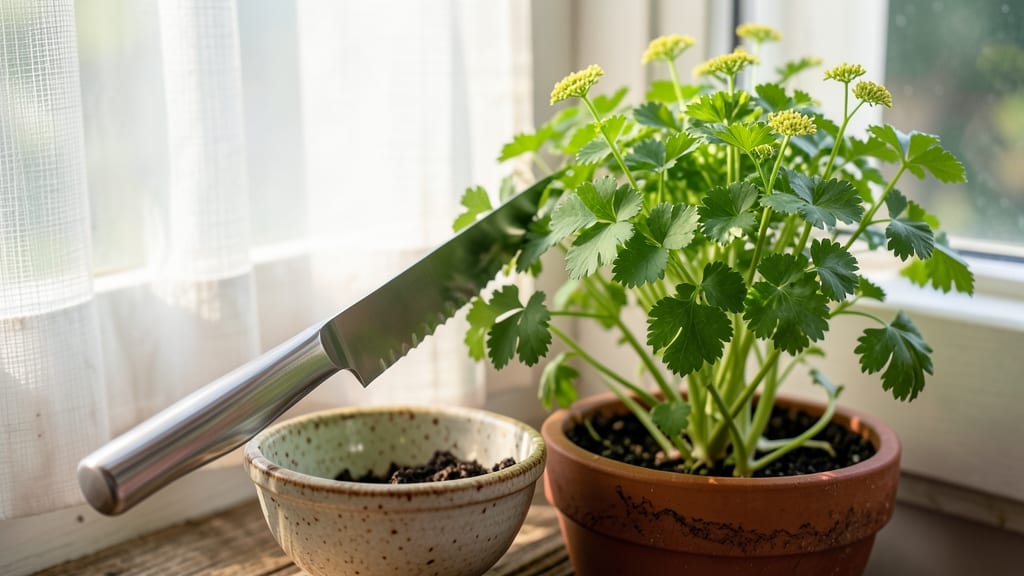
Harvesting parsley at the right time and with the right technique is the best way to keep your 🌿 plants flavorful and thriving all season long.
Did you know parsley regrows more flavorfully when harvested at the right time? Cutting stems too early or too late can ruin your crop’s taste and growth potential—here’s the expert method to maximize yield and flavor.
Most gardeners wait until the stems reach 8 inches tall, but timing isn’t everything. You’ll also need the right tools, a gentle touch, and an eye for seasonal cues to avoid stunting your plant’s future harvests.
In this guide, I’ll walk you through the exact steps to harvest parsley—whether you’re picking leaves for a recipe or harvesting roots for storage—plus pro tips to keep your plants producing fresh, vibrant greens all season.

When and how to harvest parsley for maximum flavor and regrowth
Harvesting parsley at the right time is the secret to bold flavor and vigorous regrowth. Unlike many herbs, parsley thrives when you follow a specific stem height and seasonal rhythm.
I’ve learned that cutting stems at 8 inches tall triggers the plant to produce more flavorful leaves while encouraging bushier growth. This method ensures you get a continuous supply of fresh parsley all season long.
Parsley’s flavor compounds—like myristicin and apiole—peak when stems reach this ideal height. If you harvest too early, the leaves will be milder, and if you wait too long, the plant may become woody and tough.
The key is to balance harvest timing with plant health, ensuring your parsley keeps producing lush, aromatic foliage.
Visual cues make this process easier. Look for stems that are thick and sturdy with 4-6 mature leaves. The leaves should be dark green and glossy, not pale or yellowing. These signs confirm your parsley is ready for harvest and will bounce back stronger afterward.
| Factor | Specification | Why It Matters |
|---|---|---|
| Stem Height | 8 inches | Peak flavor and regrowth |
| Number of Leaves | 4-6 mature leaves | Ensures bushier growth |
| Leaf Color | Dark green and glossy | Indicates optimal maturity |
| Season | Spring to early fall | Avoids frost damage |
| Cutting Technique | Above a leaf node | Encourages new shoots |
To harvest parsley correctly, use a pair of clean, sharp scissors or pruning shears. Cut the stem at a 45-degree angle, about 1-2 inches above a leaf node. This angle helps water run off, reducing the risk of rot or disease.
Always avoid cutting the main stem or the center of the plant, as this can stunt growth or even kill it.
Seasonal timing is crucial for parsley’s health. In spring and summer, you can harvest every 4-6 weeks as long as the stems reach 8 inches. However, in late summer or early fall, reduce harvesting frequency to let the plant store energy for winter.
Never harvest parsley when temperatures drop below 30°F, as frost can damage the plant permanently.
After harvesting, give your parsley a little extra care to encourage regrowth. Water the base thoroughly and apply a light fertilizer if needed. Within 2-3 weeks, you’ll see new shoots emerging from the leaf nodes where you cut. This cycle ensures your parsley stays productive and flavorful for months.
For container-grown parsley, the same rules apply, but monitor growth more closely. Since pots have limited space, avoid overcrowding by harvesting outer leaves first. This prevents the plant from becoming root-bound and allows light to reach all parts of the foliage.
With proper care, container parsley can thrive for years, providing a steady supply of fresh herbs.
One common mistake is harvesting parsley leaves individually rather than cutting entire stems. While this might seem easier, it weakens the plant and slows regrowth. Instead, always cut whole stems to stimulate new growth from the base. This method keeps your parsley healthy, flavorful, and productive all season long.
If your parsley starts to look leggy or sparse, it’s a sign you’ve been harvesting too aggressively. Trim back any overly long stems and reduce the frequency of harvests for a few weeks.
With patience and the right technique, your parsley will bounce back and continue producing abundant, flavorful leaves.
Remember, parsley is a biennial herb, meaning it can live for two years if cared for properly. By following these harvesting guidelines, you’ll enjoy a continuous supply of fresh parsley while keeping your plants vibrant and full of flavor.
Common harvesting mistakes that kill your parsley’s flavor and growth
Harvesting parsley wrong can turn your flavorful herb into a sad, stunted plant. The biggest mistake? Cutting from the base instead of stems. This removes the plant’s growth point, leaving it struggling to recover. I’ve seen parsley plants completely die back after aggressive base cuts—don’t let that happen to yours!
Another silent killer is harvesting too frequently. If you snip leaves every few days, your parsley won’t have time to regenerate. Think of it like over-trimming your hair—eventually, it stops growing back properly. The key is patience and timing.
Seasonal cycles matter too. Many gardeners ignore when parsley is most flavorful—right before the first frost. Harvesting at the wrong time can leave you with bitter-tasting leaves or a plant that bolts prematurely. Even storage mistakes, like leaving harvested parsley in direct sunlight, accelerate spoilage.
⚠️
⚠️ Best Way to Harvest Parsley
Wait until stems reach 8 inches tall, then cut outer leaves or stems just above a leaf node. Never remove more than one-third of the plant at once. Harvest in the morning for peak flavor and avoid frost—parsley turns bitter when stressed by cold.
Let’s fix these mistakes one by one. If you’ve already cut from the base, don’t panic. Trim the remaining healthy stems back to 4-6 inches and fertilize lightly with a balanced 5-10-5 mix to encourage regrowth. Within weeks, you’ll see fresh shoots pushing through.
For over-harvesting, space out your cuts. Aim for a 2-week interval between major harvests. This gives your parsley time to rebuild its energy reserves. If your plant looks leggy or sparse, it’s begging for a break—listen to it!
When it comes to seasonal timing, late summer to early fall is prime harvest season. Avoid cutting parsley in extreme heat or cold, as both conditions stress the plant.
Store harvested parsley in the crisper drawer of your fridge, wrapped in a damp paper towel, to preserve freshness for up to 10 days.
With these fixes, your parsley will bounce back stronger than ever. Next time you reach for those shears, remember: patience and precision are your best tools for a bountiful, flavorful harvest. Happy gardening! 🌿✂️