
How To
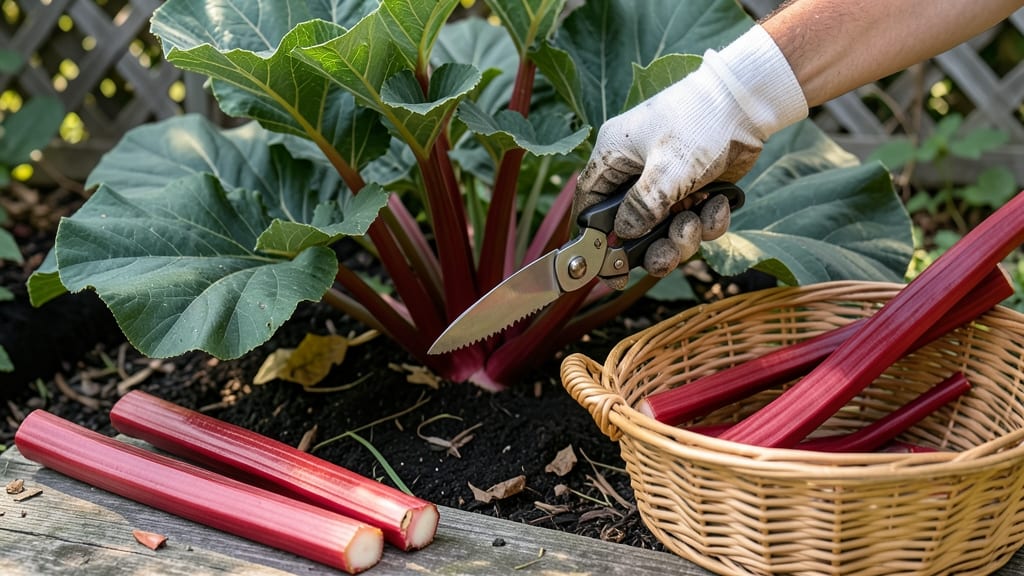
Harvesting rhubarb the best way ensures sweet, tender stalks while keeping your plant thriving for years to come. 🌱
Did you know rhubarb stems sweetened by frost can taste like strawberries—but harvesting too early ruins their tart, tangy perfection? Timing and technique are everything when it comes to reaping the best rhubarb harvest from your garden.
Most gardeners wait until stalks reach 10 inches in length, when they’re firm but still crisp, for that perfect balance of flavor and texture. Cutting too soon means bland, fibrous stalks, while over-harvesting can weaken the plant for future seasons.
In this guide, I’ll walk you through the exact steps to harvest rhubarb—when to pull stalks, how to cut them cleanly, and how to store them for maximum freshness. By the end, you’ll know the secret to a bountiful harvest every year.

When and how to harvest rhubarb for maximum sweetness and growth
Harvesting rhubarb at the right time transforms its tart flavor into a sweet, strawberry-like taste—but only if you follow the science. The 10-inch rule isn't arbitrary; it's when rhubarb's natural sugars peak. Cutting too early means woody, bitter stalks, while waiting too long reduces next year's yield.
Let's break down the exact timing, tools, and techniques to ensure your rhubarb harvest is both abundant and delicious.
Most gardeners wait until late spring or early summer (May-June in most USDA zones) to harvest rhubarb. This timing aligns with when stalks reach their ideal 10-12 inches in length and develop their signature red or pink hues.
The first harvest should be light—never remove more than one-third of the stalks at once—to preserve the plant's energy for future growth. Think of it like pruning: you're shaping the plant's future productivity.
Seasonal timing matters: Spring harvests yield the sweetest stalks because of overnight frost, which converts starches to sugars. Fall harvests (September-October) are possible but risk woody stalks as the plant prepares for dormancy. Always prioritize spring for peak flavor, saving fall for maintenance harvests only if stalks meet the 10-inch standard.
| Harvest Stage | Stalk Characteristics | Best Time to Harvest | Seasonal Notes |
|---|---|---|---|
| First Harvest | 10-12" long, firm, red/pink | Late spring (May-June) | Sweetest after frost; limit to 1/3 of stalks |
| Subsequent Harvests | 10" minimum, crisp texture | Every 2-3 weeks | Avoid harvesting after July to prevent woody stalks |
| Fall Harvest | 10" minimum, green base | September-October | Maintenance only; flavor declines |
| Avoid Harvesting | Stalks <8", soft/mushy | Year 1, first frost | Stunts growth; leaves are toxic |
The 10-inch rule ensures stalks have developed enough sugar content while remaining tender. Shorter stalks (under 8 inches) are underdeveloped and lack the complex flavors you crave. Use a measuring tape or ruler to verify length—this precision prevents bitter harvests.
Pro tip: Gently squeeze a stalk; if it feels firm but slightly bendable, it's ready. A woody snap means you waited too long.
Never harvest rhubarb leaves—they contain oxalic acid, which is toxic if ingested. Focus solely on the stems, cutting them at the base with a clean, sharp knife or pruners. Angle your cut slightly downward to prevent water from pooling on the stem, which can cause rot.
Always leave the crown intact; this ensures the plant stores energy for next year's growth.
After cutting, store rhubarb in the fridge for up to 2 weeks, wrapped in a damp paper towel to maintain moisture. For long-term storage, freeze stalks whole or chop them into 1-inch pieces before freezing.
The key to preserving flavor is minimal handling—rinsing removes protective waxes that lock in freshness. If you notice stalks becoming rubbery or developing brown spots, they've passed their prime.
First-year rhubarb plants are delicate—never harvest them at all. Focus on establishing a strong root system by providing regular water and balanced fertilizer (10-10-10). In subsequent years, limit early-season harvests to 20% of stalks to avoid stressing the plant.
Over-harvesting weakens the crown, leading to smaller yields and shorter lifespans for your rhubarb patch.
If your rhubarb stalks are green at the base, they haven't matured enough for harvest. Wait until the base turns red or pink—this color change signals peak sweetness. Similarly, yellowing leaves indicate the plant is redirecting energy to the stalks, making them ideal for harvest.
Pay attention to these visual cues; they're nature's way of telling you when to pick.
For maximum yield, space harvests 2-3 weeks apart during the growing season. This staggered approach ensures a continuous supply of fresh rhubarb while allowing the plant to recover. Avoid harvesting after July, as this triggers the plant to shift energy toward seed production rather than stalk growth.
By mid-summer, focus on maintenance pruning to keep the plant healthy for next year.
Did you know? Rhubarb plants can live for 20+ years if cared for properly. The key to longevity is consistent harvesting practices—never remove more than one-third
Step-by-step rhubarb harvesting technique to preserve plant health
Harvesting rhubarb correctly ensures sweet, tender stalks while keeping your perennial plant healthy for years. The key lies in when and how you cut—never more than one-third of the stalks at once. I’ve learned the hard way that over-harvesting weakens the crown and reduces next year’s yield.
Start by selecting stalks that are 10-12 inches long and have turned deep pink or red. These are the sweetest and firmest. Avoid harvesting green stalks or those shorter than 8 inches, as they’re still developing and less flavorful.
⚠️ callout-warning
Never harvest below the crown—this is where new growth emerges. Use a sharp knife or pruners and cut 1 inch above the soil line at a 45-degree angle. This prevents disease and encourages more stalks to grow.
❌ Wrong: Cutting flush with the ground or using dull tools.
✅ Right: Leave 1 inch of stem above the crown and use sterilized pruners.
Use clean, sharp tools like pruners or a serrated knife to make clean cuts. Dull tools crush stems, inviting rot and pests. I always sterilize my tools with rubbing alcohol between cuts to prevent spreading diseases like crown rot.
After harvesting, remove any damaged or diseased leaves immediately. These can harbor pathogens that spread to healthy stalks. Compost healthy leaves separately—they’re nutrient-rich and perfect for your garden.
Never harvest more than one-third of the stalks in a single session. This rule protects the plant’s energy reserves. In my first year growing rhubarb, I harvested aggressively and ended up with tiny, weak stalks the following spring.
In late summer, stop harvesting entirely to allow the plant to store energy for next year. Reduce watering slightly and let the leaves yellow naturally. This dormancy period is crucial for a strong regrowth in spring.