
Picking
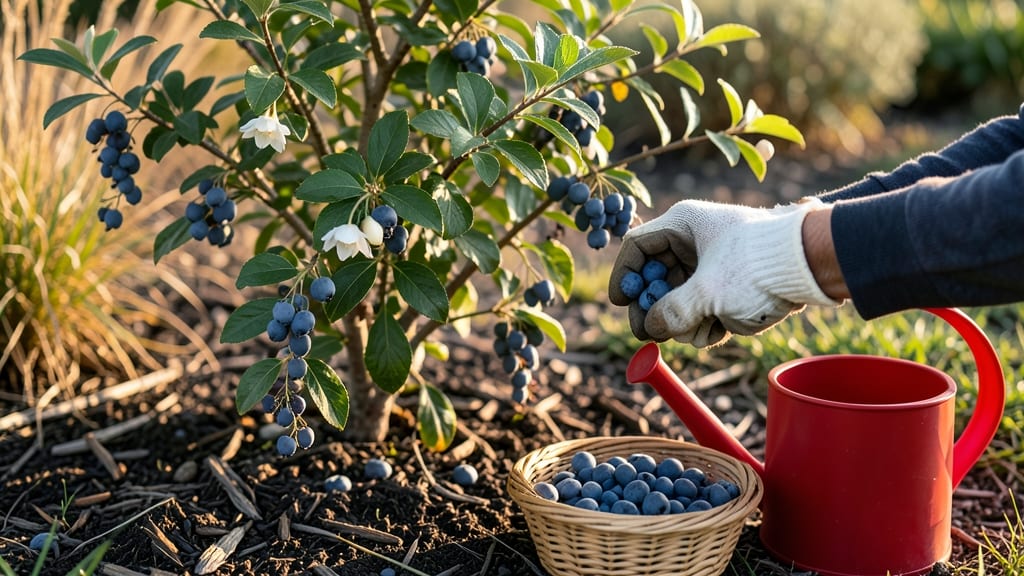
Knowing the blueberry harvest time is the difference between a handful of tart, mealy berries and a bowl of sweet, juicy fruit that tastes like summer.
Picking blueberries at the perfect moment transforms a simple harvest into a bounty of sweet, juicy fruit—but how do you know when they're truly ripe without popping one in your mouth? The answer isn’t just about color; it’s about texture, flavor cues, and even the time of day you pick.
In USDA Zone 6a, where spring planting gives way to July-August harvests, berries ripen unevenly across the bush. A single cluster might have half-ripe fruit while others are overripe and ready to burst.
I’ve learned the hard way that waiting for every berry to reach peak ripeness means some will fall victim to birds or rot on the branch.
Here’s how to spot the perfect blueberry harvest time—no tasting required—plus the best techniques to pick, store, and enjoy your crop at its absolute peak. Ready to turn your bushes into a flavor-packed harvest?

Blueberry ripeness indicators: 5 visual signs to harvest at peak flavor
Harvesting blueberries at their sweetest peak requires more than just a quick glance. Many gardeners make the mistake of picking too early or too late, resulting in bland or mushy fruit. The key lies in understanding visual ripeness indicators that guarantee flavor without tasting every berry.
These cues work across northern and southern growing zones, though timing may shift slightly based on your USDA hardiness zone.
One common misconception is that all blueberries ripen at once. In reality, they mature in clusters over 7-10 days, meaning you'll need to check your bushes every 2-3 days during peak season.
Southern varieties like rabbiteye blueberries often ripen 2-3 weeks earlier than northern highbush types, so adjust your expectations based on your location.
Fully ripe blueberries turn deep indigo or black, not light blue. Southern varieties often develop a reddish tint before turning fully blue.
Ripe berries feel firm but yield slightly when gently squeezed. Avoid picking hard berries—they're underripe and won't sweeten further.
A ripe berry should pop off effortlessly when pulled. If it resists, it's not ready. Overripe berries may crush between fingers—pick these first!
Check berry clusters—ripe berries in a group will be consistently colored and sized. Mixed colors mean some are still ripening.
Ripe blueberries have a matte finish. Glossy berries are often underripe, while dull, wrinkled ones are overripe.
Regional variations play a significant role in ripeness timing. In cooler northern zones (USDA 3-5), highbush varieties like Bluecrop may not reach peak ripeness until late July or early August, while southern rabbiteye varieties like Climax can be ready as early as June.
Pay attention to your local last frost date—berries need 60-90 days of warm weather to mature fully.
Texture is often the most overlooked ripeness indicator. A ripe blueberry should feel plump but not mushy. If you press a berry and it leaves a dent that doesn't bounce back, it's past its prime.
For lowbush varieties, which ripen all at once, harvest in one session to avoid waste. Highbush bushes produce fruit over 2-3 weeks, so check them daily during peak season.
Color isn't always the best indicator—especially for blueberry cultivars with genetic color variations. Some modern hybrids develop a pinkish or reddish blush before turning blue. In these cases, rely more on texture and stem detachment than color.
For wild blueberries, which are smaller and darker, the matte finish becomes even more critical since their color range is narrower.
Another pro tip: harvest on cool, dry mornings to preserve berry quality. The early sunlight prevents bruising, and lower temperatures slow down the ripening process, keeping berries fresher longer. Avoid picking after rain or heavy dew, as moisture can cause berries to split or mold during storage.
If you're still unsure, perform the "float test": drop a few berries in water. Ripe blueberries will sink immediately—they're denser when fully mature. Underripe ones may float briefly due to higher water content.
This trick works especially well for potted blueberries, where visual cues can be harder to judge.
Remember that blueberry flavor peaks at full ripeness, but don't wait too long—overripe berries attract birds and pests faster. Once you've harvested, store berries in the fridge for 3-5 days or freeze them for up to 6 months to preserve that peak-season sweetness you worked so hard to achieve.
Best blueberry harvesting techniques to maximize yield and quality
Timing your blueberry harvest correctly ensures you get the sweetest, juiciest berries possible. Unlike many fruits, blueberries don't ripen further after picking, so harvesting at peak ripeness is critical.
The difference between a perfectly ripe berry and one that's overripe or underripe can mean the difference between a delicious snack and a mushy mess.
Start by harvesting in the early morning when temperatures are cooler. This helps preserve the berries' moisture and flavor. Avoid picking after rain or during the heat of the day, as both conditions can damage the delicate fruit and reduce shelf life.
⚠️ CAUTION: Overripe Blueberries Spread Quickly ⚠️
Use the right tools to make harvesting easier and more efficient. A wide-mouth bucket with a handle is ideal for collecting berries, while small pruning shears help reach high branches. Wear lightweight gloves to protect your hands from thorns and stains. Never use metal containers, as they can bruise the berries and shorten their shelf life.
When picking, grasp the berry gently between your thumb and forefinger and pull straight down. Avoid twisting or yanking, which can tear the stem and damage the plant. If a berry resists, it's likely not ripe yet—wait another day.
For large harvests, consider using a harvesting rake designed specifically for blueberries to save time and reduce strain.
Once harvested, handle blueberries with care to extend their freshness. Place them in a single layer in shallow containers to prevent crushing. Store them in the refrigerator at 34-38°F and use within 5-7 days for the best flavor.
For longer storage, freeze berries on a tray before transferring to a sealed bag, preserving their texture for up to 12 months.
After harvesting, give your blueberry bushes a light pruning to remove any damaged or diseased branches. This encourages new growth and improves airflow, reducing the risk of fungal issues next season.
With the right techniques, you'll not only maximize your yield but also enjoy the sweetest, most flavorful blueberries all season long.