
Vegetables
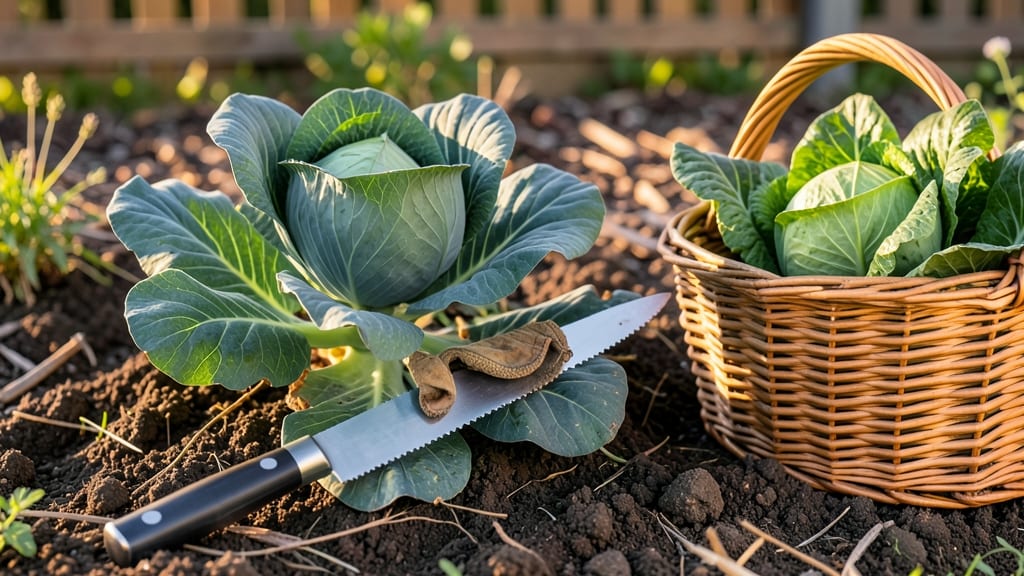
Timing your cabbage harvest right means the difference between a head packed with sweet, crisp flavor and one that’s bitter or woody.
The best cabbage harvest time arrives when heads are firm, dense, and ready to snap cleanly at the stem—usually 60 to 100 days after planting, depending on the variety.
Here’s the catch: harvesting too early leaves you with small, loose heads, while waiting too long risks splitting or bolting—especially in hot weather. I’ve learned the hard way that a simple stem snap test (yes, really) can save your crop from becoming inedible.
Skip the guesswork and let me show you how to nail the perfect moment.
From green and red varieties to savoy and napa, each type has its own ideal window. Red cabbage, for instance, often needs 10 to 20 extra days to reach peak sweetness, while savoy cabbage matures faster but stores for less time.
I’ll break down the exact signs to watch for—no more pulling heads that are still too small or letting them rot in the garden.
Once you’ve harvested, storing cabbage properly can extend its life for months. I’ll share my go-to tricks for keeping your cabbage fresh, whether you’re prepping for winter or just trying to use up your summer bounty. Ready to turn your garden into a flavor factory?

How to use the cabbage stem snap test for perfect harvest timing
Harvesting cabbage at the right moment transforms your garden bounty from good to exceptional. The stem snap test is my go-to method for determining peak ripeness—no guesswork, just science. When done correctly, this simple technique helps you avoid bitter, loose heads or overmature cabbage that splits at the seams.
I’ve used this method for years, and it’s saved me from wasting perfectly good cabbage heads that were either too young or past their prime.
Before you grab your pruners, understand that the stem snap test works by evaluating the woody strength of the central stem. A mature cabbage stem should snap cleanly with a crisp sound, while an immature one will bend or break with a soft, fibrous resistance.
This test is especially useful for green, red, and savoy cabbages, though Napa cabbage requires slight adjustments due to its looser head structure.
Step-by-Step Cabbage Stem Snap Test
- Crisp snap = Ready to harvest (ideal for eating fresh or short-term storage).
- Soft bend = Immature (wait 3-5 days and retest).
- Dull snap or split = Overmature (best used immediately or fermented).
The stem snap test is most reliable when combined with visual maturity cues. Look for a head that’s fully closed with no gaps between leaves. The outer leaves should curve inward, and the head should feel heavy and solid when lifted.
For green cabbage, this typically happens around 75-80 days after transplanting, while red cabbage may take 10-15 days longer to reach the same firmness.
For savoy cabbage, which has wrinkled leaves, the snap test still applies, but the head may feel slightly softer due to its texture.
A crisp snap here indicates peak sweetness, while a mushy resistance means it’s past its prime. Napa cabbage, with its loose structure, often requires a gentler approach—test the stem near the base of the inner leaves rather than the outer head.
A firm snap here means it’s ready for stir-fries or quick cooking.
Timing your harvest isn’t just about the snap test—it’s also about weather conditions. Avoid harvesting during hot afternoons when cabbage is more prone to bolting (premature flowering). Early morning harvests yield the crispest, most flavorful heads.
If you’re growing cabbage in hot climates (Zones 8-10), consider harvesting smaller heads earlier to prevent bitterness caused by heat stress.
Pro tip: If your cabbage heads are splitting at the seams, it’s a sign of overmaturity. This often happens when plants receive too much nitrogen late in the season or when they’re overwatered.
To prevent this, reduce watering slightly as heads near maturity and avoid heavy fertilization in the final 3-4 weeks before harvest.
Once you’ve mastered the snap test, you’ll never second-guess your cabbage harvest again. The key is consistency—test a few heads from different plants to account for variety differences and growing conditions.
With practice, you’ll develop an instinct for when your cabbage is at its peak flavor and texture, ensuring a bountiful harvest season after season.
Remember, the stem snap test is just one tool in your gardener’s toolkit. Pair it with visual inspections and weather awareness to guarantee cabbage that’s sweet, crisp, and ready to enjoy—whether you’re serving it fresh, fermenting it, or storing it for winter.
Best cabbage harvest times by variety: when to pick for flavor vs. storage
Timing your cabbage harvest is an art that balances peak flavor with storage potential. Different varieties mature at unique speeds, and picking too early or late can mean sacrificing sweetness or shelf life.
For example, green cabbage reaches its flavor zenith at 70-80 days, while red cabbage needs an extra two weeks to develop its signature crunch and color. Understanding these windows ensures you enjoy both the freshest taste and longest-lasting harvests.
Cabbage doesn't just ripen—it transforms. The earlier you harvest, the more tender and sweet the flavor, but the shorter its storage life. Conversely, waiting too long risks bolting (flowering) or splitting heads, which ruins both taste and texture.
My secret? Use the stem snap test combined with variety-specific timing to find that perfect middle ground where flavor and storage align.
| Variety | Days to Maturity | Flavor Peak | Storage Life | Pro Tip |
|---|---|---|---|---|
| Green Cabbage | 60-80 days | 70-75 days | 2-4 weeks (fridge) | Harvest small heads first for continuous supply |
| Red Cabbage | 70-100 days | 85-95 days | 3-5 weeks (fridge) | Color deepens with cooler temps—wait for frost |
| Savoy Cabbage | 55-70 days | 60-65 days | 1-2 weeks (fridge) | Crinkled leaves mean tender texture—harvest young |
| Napa Cabbage | 60-90 days | 70-80 days | 3-4 weeks (cold storage) | Harvest baby leaves for salads at 40-50 days |
Did you know Napa cabbage can be harvested in stages? You can pick the outer leaves for salads while leaving the inner head to mature, extending your harvest window by weeks.
This variety also stores exceptionally well when kept in a cool, humid environment, making it ideal for winter gardens. For Savoy cabbage, the crinkled leaves are a dead giveaway—harvest when they're fully formed but still tender, or risk a tough, bitter bite.
Extending cabbage storage life starts at harvest. After picking, trim the outer leaves and store heads in a plastic bag with ventilation in your fridge's crisper drawer. For longer storage, wrap individual heads in newspaper and place them in a cool basement (32-40°F).
I've kept green cabbage fresh for up to 3 months using this method, though flavor peaks within the first two weeks post-harvest.
Regional climate plays a surprising role in harvest timing. In warmer zones, cabbage often bolts prematurely, so I recommend using shade cloth during summer months. Conversely, cooler climates can slow growth—don't be afraid to extend maturity dates by 10-15 days if your summer stays chilly.
The key is observing your plants' growth patterns rather than relying solely on calendar dates.
Remember: The perfect harvest combines a firm head with a thick, sturdy stem. If your cabbage feels too light for its size or the stem snaps easily, it's not ready.
But if it resists with a satisfying crunch when you gently twist, you've hit the sweet spot between flavor and storage potential. Now go enjoy that homegrown goodness!