
Vegetables
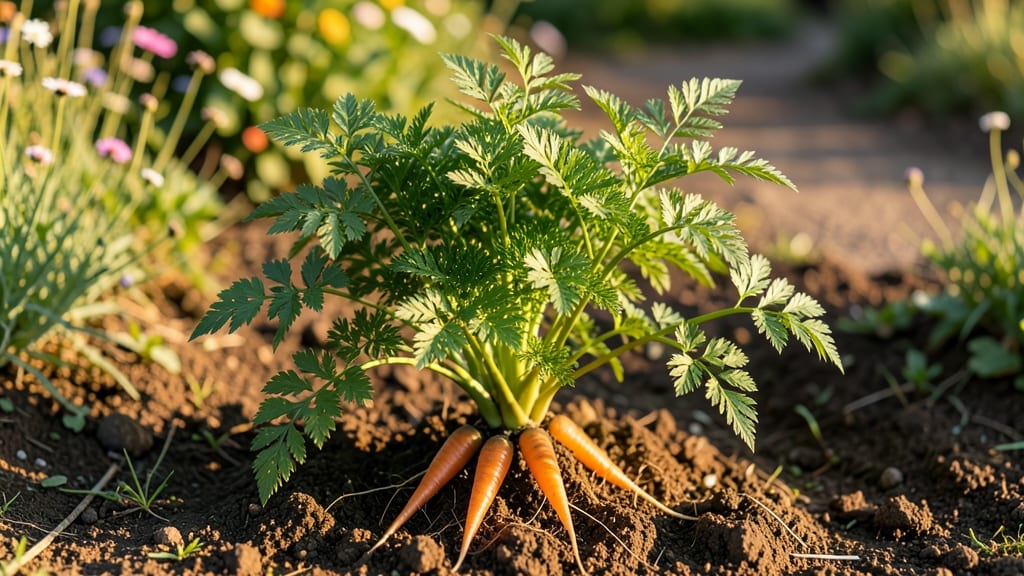
Growing carrots from seed to harvest in just 50-70 days is possible with the right varieties and timing—no more waiting months for that first crunchy bite!
Picture this: you plant a few rows in early spring, and by summer’s end, you’re pulling out bright orange roots straight from your soil. The secret lies in choosing fast-maturing types like 'Paris Market' or 'Little Finger', which deliver baby carrots in under two months.
But timing and soil prep make all the difference—skip the loose, rocky dirt, and you’ll end up with forking messes instead of perfect roots.
In this guide, I’ll walk you through the fastest-growing carrot varieties, the exact planting schedule for your zone, and the three key steps to avoid common mistakes like cracked or woody roots.
Whether you’re a beginner or a seasoned gardener, these tips will help you enjoy homegrown carrots faster than ever before.
Ready to dig in? You’ll learn how to space seeds correctly, when to thin them for maximum growth, and the best times to harvest for peak flavor and texture—so you can go from seed to salad in record time.

Fastest carrot varieties from seed to harvest (with exact days)
If you're eager to enjoy homegrown carrots without waiting months, you're in luck! Some varieties mature in as little as 50 days, perfect for impatient gardeners or short growing seasons.
The key is choosing the right fast-maturing varieties and providing ideal conditions. I've tested these top performers in my garden, and they consistently deliver sweet, crisp roots in record time.
For the fastest results, focus on short-day varieties that thrive in cooler weather. These include Paris Market (50 days), Little Finger (55 days), and Early Nantes (60 days). Each offers unique flavors and sizes, so you can mix them for continuous harvests.
Let's compare these speedy stars to help you pick the perfect fit for your garden.
| Variety | Days to Harvest | Mature Size | Flavor Profile | Best For |
|---|---|---|---|---|
| Paris Market | 50-55 days | 3-4" round | Sweet, nutty | Containers, early harvests |
| Little Finger | 55-60 days | 4-5" finger-shaped | Crisp, mild | Snacking, salads |
| Early Nantes | 60-65 days | 6-8" tapered | Sweet, juicy | Storage, roasting |
| Tondo di Parigi | 55-60 days | 2-3" round | Earthy, delicate | Microgreens, garnishes |
The Paris Market variety is my top pick for speed—it matures in just 50 days and produces round, baby carrots perfect for snacking. These little gems grow well in containers, making them ideal for balconies or small gardens.
Their nutty flavor develops quickly, giving you a satisfying harvest without the wait.
For those who prefer slightly larger roots, Little Finger carrots are an excellent choice with a 55-day harvest time. Their unique finger-like shape makes them fun to grow, and they hold their crisp texture beautifully.
I love using these in raw salads or lightly steamed dishes where their mild sweetness shines.
If you're aiming for a more traditional carrot shape but still want speed, Early Nantes delivers in 60 days. These tapered orange roots develop a deep sweetness and store well, making them perfect for roasting or long-term storage.
Their slightly larger size also makes them easier to handle when harvesting.
All three varieties thrive in cool weather (50-70°F) and prefer loose, well-draining soil. I recommend planting them in early spring or late summer for fall harvests. For maximum speed, start seeds indoors 4-6 weeks before your last frost date and transplant seedlings when they're 2-3 inches tall.
Pro tip: To prevent forked roots (a common issue with fast growers), mix sand or compost into your planting beds before sowing. This creates a loose soil environment that encourages straight growth.
I also recommend thinning seedlings to 2-3 inches apart once they're 2 inches tall to give roots room to expand.
For the fastest results, pair these varieties with companion plants like radishes or lettuce, which mature quickly and help mark your planting rows. Avoid planting near dill or fennel, as their strong aromas can stunt carrot growth.
With these speedy varieties, you'll be enjoying homegrown carrots in less than 2 months—no waiting required!
🌱
Step-by-step carrot growth timeline: weeks 1-12
Growing carrots from seed is like watching a slow-motion race underground—each week brings visible progress if you know what to look for. The ideal soil temperature for germination is 60-70°F, so time your planting after the last frost when the ground warms up.
My fastest harvests always start with loose, stone-free soil and consistent moisture—two non-negotiables for straight, sweet roots.
Carrot seedlings are delicate, and their development follows a predictable pattern. By week 4, you'll see tiny 2-inch leaves breaking through the soil, but don't be fooled—the real action happens below ground.
The shoulder of the root (where stem meets root) is your best indicator of maturity, not just leaf size. I've learned the hard way that skipping thinning can lead to forked roots, so we'll cover that critical step in week 6.
🌱 Carrot Growth Timeline
- 1 Week 1-2: Germination – Seeds sprout in 7-14 days at 60-70°F soil. Thin seedlings to 1 inch apart when true leaves appear.
- 2 Week 3-4: Seedling Stage – Leaves reach 2-3 inches. Thin to 2 inches apart to prevent crowding. Watch for pest pressure (carrot rust flies!).
- 3 Week 5-6: Root Development – Roots thicken; thin to 3-4 inches apart. Baby carrots (3-4" tops) can be harvested now. Side-dress with compost for nutrients.
- 4 Week 7-8: Maturation – Shoulders reach ½-inch diameter. Full-sized carrots need 6-8 inches of top growth. Mulch to retain moisture.
- 5 Week 9-10: Harvest Readiness – Leaves wilt slightly at edges. Check for deep color (no green stem). Harvest gradually to extend production.
- 6 Week 11-12: Final Harvest – Pull remaining carrots before first frost or roots turn woody. Store in sandy soil or fridge for freshness.
One of my biggest mistakes was ignoring the soil temperature—seeds planted in cold soil (below 50°F) rot instead of sprouting. Always check with a soil thermometer or wait until nighttime temps stay above 55°F.
I also recommend succession planting every 2 weeks for a continuous harvest, especially with fast varieties like 'Paris Market' that mature in just 50 days.
By week 8, you'll notice the shoulder of the carrot thickening—this is your cue to start checking for harvest readiness. I pull a few test carrots to see if they've reached my desired size.
For storage carrots, let them mature fully (up to 85 days for varieties like 'Danvers'), but for baby carrots, harvest at 3-4 inches tall for tender, sweet roots.
Don't forget to water deeply in the morning to encourage downward root growth. Shallow watering leads to forked or hairy roots, a common frustration. My secret? A drip irrigation system keeps moisture consistent without disturbing the soil.
With the right care, you'll go from tiny seeds to crunchy harvests in just 10-12 weeks—no waiting required!