
How To
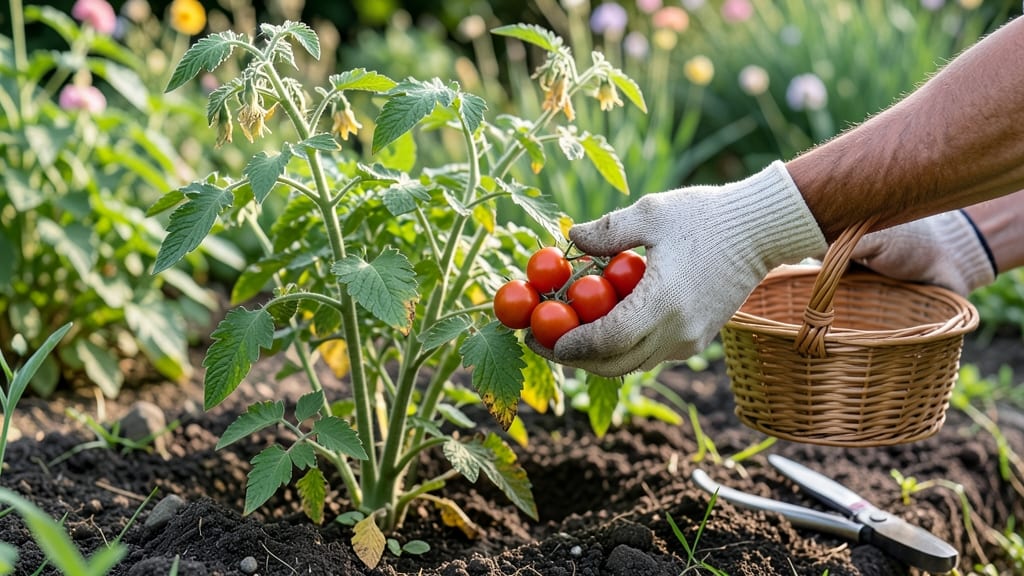
Harvesting cherry tomatoes at the right time turns your garden into a sweet, juicy explosion of flavor—so how do you know when those little 🍅 gems are truly ready?
Picture this: you’re reaching for a tomato, and instead of a perfect, plump fruit, it squishes between your fingers. Or worse, you miss the window and end up with mealy, overripe pulp.
The difference between a stellar harvest and a sad waste comes down to timing—and a few simple tricks most gardeners miss.
In USDA Zone 6a, cherry tomatoes typically ripen between July and September, but the exact moment depends on your variety and local weather. Too early, and they’re tart and underdeveloped; too late, and you’re left with split fruit or even rot.
The key? Watching for that stem snap and vibrant color shift—signs your tomatoes are begging to be picked.
Below, I’ll walk you through the exact cues to harvest cherry tomatoes at peak flavor, how to adjust for your climate, and even how to store them so they stay fresh longer. No more guesswork—just a bountiful, delicious harvest every time.


How to identify the perfect cherry tomato harvest time
There's nothing quite like the moment you pluck a perfectly ripe cherry tomato from the vine—bursting with sweetness and juiciness. But how do you know when those tiny fruits are truly ready? The answer lies in a mix of visual cues, tactile tests, and understanding your plant's signals.
I've learned that harvesting at the right moment isn't just about color; it's about a combination of factors that transform a good tomato into an exceptional one.
The most reliable indicator I've found is the stem snapping test. When a cherry tomato is perfectly ripe, its stem will detach cleanly with just a gentle twist. This happens because the fruit naturally separates from the vine at peak ripeness.
If you're struggling to pull it free, it's likely not ready yet. This simple test has saved me from picking tomatoes too early—and missing out on that perfect flavor.
| Ripeness Indicator | What to Look For | Action |
|---|---|---|
| Color Shift | Fully vibrant (red, yellow, purple) with no green shoulders | Harvest within 1-2 days |
| Stem Snap Test | Stem breaks cleanly with slight twist | Ready to pick immediately |
| Size Maturity | 1-2 inches in diameter (varies by variety) | Check firmness before harvesting |
| Skin Texture | Slightly soft with minor give when pressed | Perfect for immediate eating |
| Calyx Color | Green stem end turns yellow/brown | Final sign of full ripeness |
Don't overlook the importance of color consistency across your cherry tomatoes. While some varieties like 'Sun Gold' stay yellow, others like 'Sweet 100' turn deep red. The key is that the entire fruit—including the stem end—should be fully colored.
I once picked a batch of 'Black Cherry' tomatoes that were purple but still had green shoulders, and they tasted underripe compared to the ones I harvested a few days later.
Size matters too, though it varies by variety. Most cherry tomatoes should reach 1-2 inches in diameter before harvesting. Smaller tomatoes often lack the sweetness and juiciness of their fully mature counterparts. I measure mine against a standard quarter coin—if it's bigger than that, it's usually ready.
This simple trick has helped me avoid picking premature tomatoes that never reach their full flavor potential.
One of my biggest lessons came from the tactile test. A ripe cherry tomato should yield slightly when gently squeezed—like pressing your thumb against a ripe peach. If it feels rock-hard, it's not ready. If it's mushy, it's overripe.
The perfect balance is what you're aiming for. I've trained myself to do this test with every tomato I consider harvesting, and it's made a world of difference in my garden's flavor quality.
Temperature plays a surprising role in harvest timing. In hot climates, cherry tomatoes may ripen faster and need more frequent checking. In cooler regions, they might take longer to reach peak ripeness.
I've noticed that in my Zone 7b garden, tomatoes ripen about 10% slower than they do in my friend's Zone 9 garden. Always adjust your expectations based on your local climate patterns.
Harvesting at the right time also prevents common issues like cracking or splitting. Overripe tomatoes are prone to bursting, especially after heavy rains. I've learned to harvest my tomatoes a day or two before they reach absolute peak ripeness if I know a storm is coming.
This proactive approach has saved me from losing entire clusters of tomatoes to split-related rot.
For varieties like 'Golden Sweet' or 'Tumbling Tom', I pay extra attention to their unique ripening patterns. Some heirloom types change color gradually, while hybrids often ripen more uniformly. Understanding your specific variety's behavior is half the battle.
I keep a small harvest journal where I note when each type reaches its perfect picking moment—it's become an invaluable reference over the years.
Remember that harvesting frequency encourages more production. When you pick ripe tomatoes regularly, your plants focus their energy on producing new fruits rather than trying to ripen existing ones. I make it a habit to check my vines every 2-3 days during peak season.
This not only gives me the freshest tomatoes but also extends the overall harvest window by several weeks.
When to harvest cherry tomatoes by variety & climate
Timing your cherry tomato harvest correctly depends on two key factors: the variety you're growing and your local climate. Heirloom varieties like Sun Gold or Sweet 100 often ripen faster than hybrids, while cooler climates can delay harvests by weeks compared to hot, sunny regions.
Understanding these differences ensures you don't miss peak flavor or waste underripe fruit.
In warm climates like USDA Zones 9-11, cherry tomatoes may start ripening as early as June, while gardeners in Zones 5-7 typically wait until July or August.
Even within the same zone, microclimates—like a sunny south-facing wall versus a shaded corner—can shift your harvest window by 1-2 weeks. Paying attention to these nuances maximizes your yield and flavor.
Temperature also plays a crucial role. Cherry tomatoes ripen best in 70-85°F conditions. If your summer hits 90°F+, they may ripen faster but lose some flavor. Conversely, cool nights below 60°F can slow ripening dramatically. In these cases, consider harvesting green and ripening indoors for better control over sweetness.
Pro tip: Keep a harvest journal to track when your specific varieties ripen in your climate. Note the first frost date and count backward from there to plan your final harvest.
For example, if frost hits October 15, aim to pick all remaining tomatoes by mid-September to avoid rot or poor flavor from cold-stressed plants.
Don’t forget that continuous harvesting encourages more production. Pinch off side shoots regularly and pick tomatoes every 2-3 days to keep plants focused on fruit development. This is especially true for indeterminate varieties, which produce fruit all season long.
With the right timing, your cherry tomato harvest can stretch from July through September, giving you a steady supply of sweet, juicy tomatoes straight from your garden.
The key is balancing variety traits, climate conditions, and consistent care—and soon, you’ll be snapping stems and savoring the rewards of your hard work. 🍅