
Vegetables
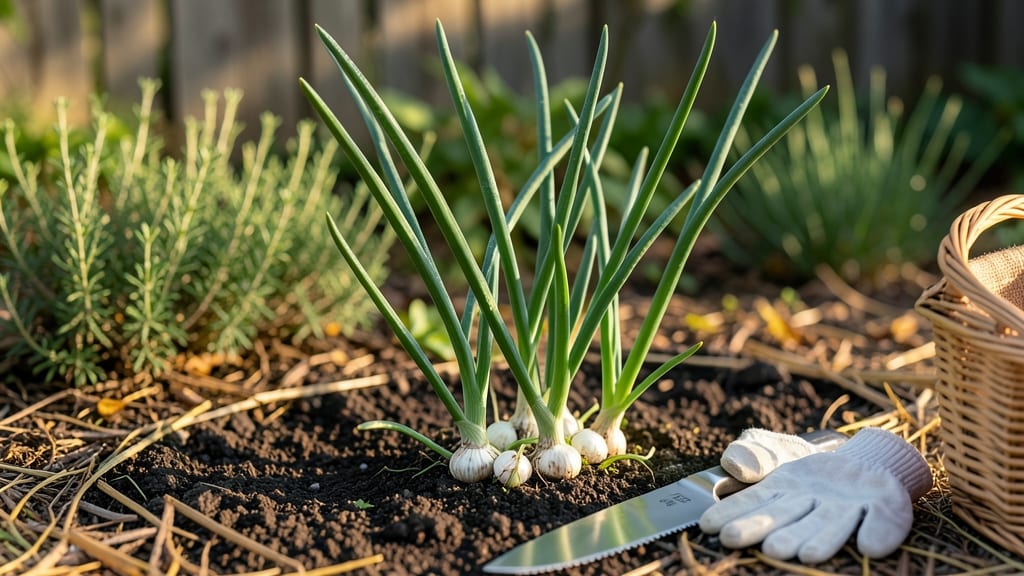
Harvesting green onions at the right time means fresh, flavorful scallions all season—and the ability to cut them again and again without killing your plants.
Picture this: you’re about to chop scallions for your dinner, and the flavor is weak, almost bland. That’s a classic sign you missed the ideal harvest window. Too early, and they’re still grassy; too late, and the bulbs toughen up.
But get it right, and you’ll enjoy a steady supply of crisp, vibrant green onions that keep coming back.
In spring, look for plants that reach 6-8 inches tall with dark green tops and a slightly enlarged bulb at the base. In fall, the same rules apply, but cooler temps mean you can stretch the harvest into late October.
The key is cutting just above the soil line—never pulling them out—so the roots stay intact and regrowth happens fast.
Below, I’ll walk you through the exact signs to watch for, how to harvest without damaging your plants, and the best ways to store them so they stay fresh longer. Ready to turn a handful of green onions into a year-round harvest?


Optimal green onion harvest time: when to cut for regrowth
Harvesting green onions at the right time ensures you get the best flavor and encourage regrowth for multiple cuts. Unlike mature onions, green onions thrive when you harvest them before they bolt, typically between 60-90 days after planting.
The key is recognizing the three-stage harvest window—early, mid, and late—each offering distinct visual cues to guide your timing.
For spring-planted green onions, aim for harvests between May and June, while fall-planted varieties are ready in October-November. The secret lies in watching for leaf color, stem thickness, and bulb development—each signals whether your scallions are primed for cutting or need more time to mature.
- Stage 1: Early Harvest (4-6 inches tall) Cut outer leaves when plants reach 4-6 inches. Look for dark green tops and thin stems. Avoid cutting more than 1/3 of leaves to preserve regrowth.
- Stage 2: Mid Harvest (6-12 inches tall) Harvest when stems are 6-12 inches and bulbs begin forming. Leaves should be firm and crisp, with a slight yellowish base. Cut half the plant for balanced regrowth.
- Stage 3: Late Harvest (12+ inches tall) For full-sized scallions, wait until 12+ inches with a well-developed bulb. Leaves may show browning at tips. Cut close to base but leave 1 inch of stem for regrowth.
In early harvests, focus on the outer leaves first—they’re fully mature while inner leaves continue growing. This method lets you enjoy fresh green onions without sacrificing future yields. I’ve found that cutting every 2-3 weeks during peak growth keeps my plants productive for 3-4 months.
The mid-harvest stage is your sweet spot for balanced flavor and regrowth. At this point, the bulb starts forming, and the stems develop a slight crispness. If you wait too long, the plant may bolt (send up a flower stalk), ruining its mild, oniony taste.
I test readiness by gently bending a stem—if it snaps cleanly, it’s harvest-ready.
For late harvests, prioritize plants with fully formed bulbs and dark green tops. These are ideal for storage or using in recipes requiring more robust flavor.
However, cutting too close to the base can stress the plant, so always leave 1 inch of stem to encourage new shoots. Over-harvesting at this stage risks stunting regrowth.
Seasonal timing matters too. Spring harvests benefit from cooler weather, while fall harvests thrive in mild temperatures. In my Zone 6a garden, I’ve noticed that fall-planted green onions regrow more vigorously after harvests, likely due to shorter daylight slowing bolting.
Adjust your schedule based on your local last frost date—aim to plant 8-10 weeks before the first expected frost.
Visual cues are your best friends when timing harvests. Look for dark green leaves with no yellowing (a sign of stress) and firm stems. Avoid harvesting if leaves appear soft or wilted, as this indicates overwatering or disease.
I’ve learned to trust my eyes—if the bulb feels plump when gently squeezed, it’s ready for the kitchen or regrowth.
One common mistake is cutting too close to the base, which can kill the plant. Always leave 1 inch of stem to protect the growth point.
After harvesting, I rinse the stems under cool water to remove soil and store them in a perforated bag in the fridge for up to 2 weeks. This keeps them crisp for salads or cooking while preserving the plant’s ability to regrow.
To maximize your harvest, rotate cutting locations around the plant. For example, cut outer leaves first, then move inward as the plant matures. This encourages even regrowth and prevents one side from becoming over-harvested.
I’ve seen single plants yield 5-6 harvests in a season with this method, making green onions one of the most rewarding perennials for small gardens.
If your green onions start bolting (sending up a flower stalk), it’s a sign you’ve waited too long. While you can still harvest the leaves and bulb, the flavor becomes bitter, and regrowth stops.
To prevent bolting, harvest regularly and avoid over-fertilizing with nitrogen, which encourages leafy growth at the expense of bulb development. A balanced 5-10-10 fertilizer keeps plants happy without pushing them to flower prematurely.
How to harvest green onions without killing the plant: step-by-step guide
Harvesting green onions correctly is the key to getting multiple harvests from a single plant. Unlike many vegetables, you don't need to uproot them—just trim the right way.
This method ensures your scallions keep growing back with fresh, vibrant flavor for weeks. The secret lies in using the right cutting technique and timing.
Start by waiting until your green onions reach about 6-8 inches tall. This is when they're ready for their first harvest. Look for dark green leaves and a small bulb forming at the base.
These visual cues tell you the plant has stored enough energy to regrow after cutting. Using the wrong technique can damage the root system, so let's dive into the proper steps.
⚠️ Critical Mistake: Cutting Too Close to the Base
Never cut within 1 inch of the soil—this risks damaging the regrowth point. Always leave at least 2 inches of stem above the soil to ensure new shoots emerge. If you accidentally cut too low, don't panic: the plant can often recover with proper post-harvest care.
Grab a pair of clean, sharp scissors or a pruning shears for the cleanest cut. Avoid using your hands or dull tools, as they can crush the stems and invite disease.
Hold the green onion firmly at the base and make a diagonal cut about 1-2 inches above the soil line. This angle helps water run off, reducing rot risk.
After cutting, rinse the green onions gently under cool water to remove any dirt. Store them in a perforated plastic bag in the fridge for up to 1 week, or freeze them for longer storage.
The regrowth time is typically 2-3 weeks, depending on your climate. In warmer months, you might see new growth in just 10-14 days.
To encourage healthy regrowth, water the base thoroughly after harvesting. Use lukewarm water to avoid shocking the roots, and apply it directly to the soil. Avoid wetting the leaves to prevent fungal diseases.
If your plants look stressed after cutting, trim any yellow or wilted leaves and give them a balanced fertilizer (like 5-10-10) to boost recovery.
With proper care, a single green onion plant can yield 3-5 harvests in one season. The key is consistency: harvest when the plant reaches 6-8 inches, always leave 2 inches of stem, and maintain regular watering.
Soon, you'll have a never-ending supply of fresh, homegrown scallions for all your recipes!