
Vegetables
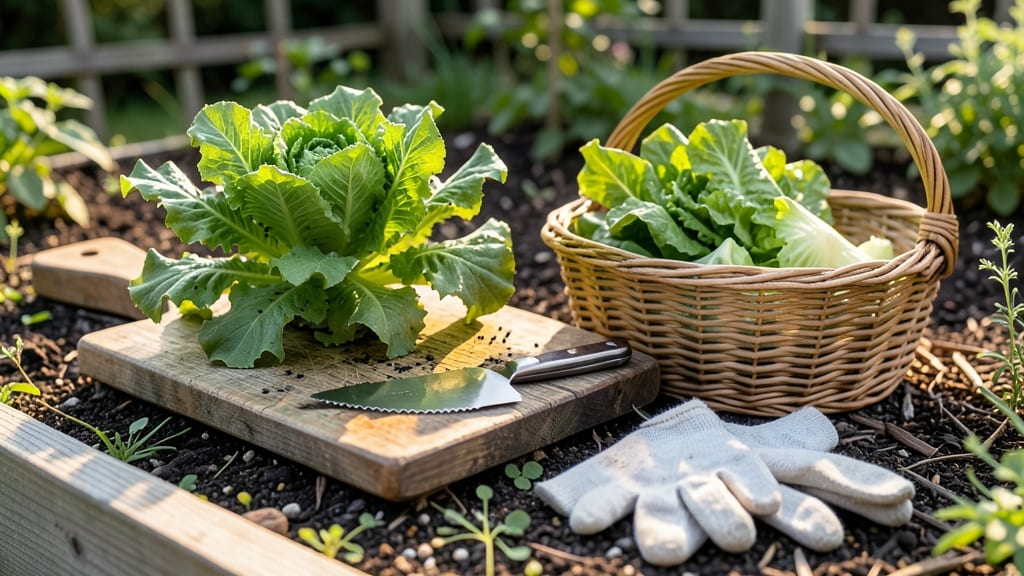
Harvesting black-seeded Simpson lettuce at the right time means the difference between a crisp, sweet bite and a bitter disappointment 🥬.
Black Seeded Simpson lettuce isn’t just another leafy green—it’s a flavor powerhouse when harvested at the perfect moment, and the telltale "cupping" of outer leaves is your golden cue.
If you’ve ever plucked a leaf only to find it limp or bitter, you know how quickly things can go wrong. The key? Watching for those cupped, firm leaves that signal peak flavor—usually around 45 days after sowing.
Below, I’ll walk you through exactly when to harvest, how to cut without damaging the plant, and even how to keep your lettuce producing for weeks after the first pick.

When to harvest Black Seeded Simpson lettuce by leaf shape and size
Timing your Black Seeded Simpson lettuce harvest is everything—cut too early and you miss peak flavor, too late and you risk bitterness. This heirloom variety rewards patience with crisp, sweet leaves when harvested at the right stage.
The key? Watch for leaf cupping, a telltale sign outer leaves are ready to pick while leaving the core to regrow.
For Simpson lettuce, focus on three visual cues: leaf size (3-4 inches), color vibrancy, and the distinctive cupping shape of mature leaves. These indicators align with the plant's 45-60 day growth window, ensuring you harvest at its sweetest point.
Ignoring these signs often leads to tough, bitter leaves or wasted effort from overgrown plants.
Visual cues matter most—here’s how to spot the perfect harvest window using leaf shape, size, and color as your guide:
The cupping of outer leaves is your first clue—when edges start curling upward like a half-moon, those leaves are primed for picking. This shape indicates the plant has directed energy toward leaf development, not just growth.
Pair this with 3-4 inch leaves and you’ve hit the sweet spot for crunchy texture and maximum sweetness.
Color plays a secondary but critical role: deep green leaves signal optimal maturity, while yellowing edges warn of overmaturity or stress. Even a single yellow leaf can turn an otherwise perfect harvest into a bitter disappointment. Always prioritize vibrant green hues when selecting leaves to cut.
Size matters more than you might think—3-4 inch leaves strike the balance between tenderness and robust flavor. Smaller leaves lack the nutrient density developed over weeks of growth, while larger ones often sacrifice crispness for bulk.
Use a ruler or your thumb (most adults have a 1-inch thumb width) as a quick reference in the garden.
Harvesting outer leaves first preserves the plant’s productivity. By cutting just above the leaf junction (where leaves attach to the stem), you encourage the inner leaves to grow larger. This method extends your harvest window by 2-3 weeks per plant, giving you more time to enjoy fresh greens without replanting.
Morning harvests yield the crispest, sweetest leaves because evening heat can make lettuce wilt slightly. Always use clean, sharp scissors to avoid crushing leaves or spreading disease. Cutting with a dull knife can bruise the plant, inviting pests and rot.
If your Simpson lettuce starts bolting (sending up tall flower stems), act fast—harvest all remaining leaves immediately. Bolting signals the end of the plant’s productive life, and leaves will quickly turn bitter.
This is especially common in hot weather or when days grow longer, so monitor your plants closely during late spring and summer.
Pro tip: Succession planting every 2 weeks ensures a continuous supply of fresh lettuce. By staggering harvests, you’ll always have plants at the perfect 3-4 inch stage while older plants regrow after leaf cuts. This method maximizes your garden’s output with minimal space.
Step-by-step harvesting technique to preserve flavor and growth
Harvesting Black Seeded Simpson lettuce at the right time and with the right technique ensures both peak flavor and continued plant productivity. The key is to cut selectively—never the core—and use the proper tools to avoid stressing your plants.
I’ve perfected this method over years of growing, and it keeps my lettuce crisp, sweet, and productive for weeks.
Timing matters just as much as technique. Always harvest in the early morning when leaves are firm and hydrated. This prevents wilting and preserves that crunchy texture we all love.
Avoid harvesting in the evening or after rain, as damp leaves can attract pests and diseases. Even a 5-minute delay can make a difference in flavor and freshness.
How to Harvest Black Seeded Simpson Lettuce
-
Step 1: Gather Tools
Use clean, sharp pruning shears or a small knife. Dull tools crush leaves, causing bitter taste and stress.
-
Step 2: Identify Outer Leaves
Look for fully formed, crisp leaves that are at least 3-4 inches long. These are ready for harvest.
-
Step 3: Cut at the Base
Hold the leaf 1 inch above the stem and cut at a 45-degree angle. This prevents water from pooling on the stem.
-
Step 4: Leave the Core Intact
Never cut into the central growth point. This ensures the plant keeps producing new leaves for 4-6 weeks.
-
Step 5: Post-Harvest Care
Water the base immediately after harvesting to reduce stress. Mulch with straw or compost to retain moisture.
After harvesting, rinse leaves gently under cool water to remove dirt, but avoid soaking them. Pat dry with a clean towel or paper towel to prevent mold. Store harvested leaves in a perforated plastic bag in the fridge, where they’ll stay fresh for 5-7 days.
For long-term storage, consider fermenting or freezing—both methods preserve flavor beautifully.
One of my favorite tricks is to harvest every other leaf initially. This gives the plant time to recover while still providing a steady supply of fresh greens.
Over time, you’ll notice the inner leaves fill out, ready for their turn. This method keeps my Black Seeded Simpson lettuce producing for months instead of just weeks.
If you’re growing in containers or small spaces, focus on harvesting the largest, outermost leaves first. This maximizes yield without overcrowding. And remember: consistency is key. A regular harvesting schedule—every 2-3 days—encourages bushier growth and prevents bolting.
With this technique, you’ll enjoy sweet, crisp lettuce all season long while keeping your plants happy and productive. Happy harvesting! 🥬