
Trees
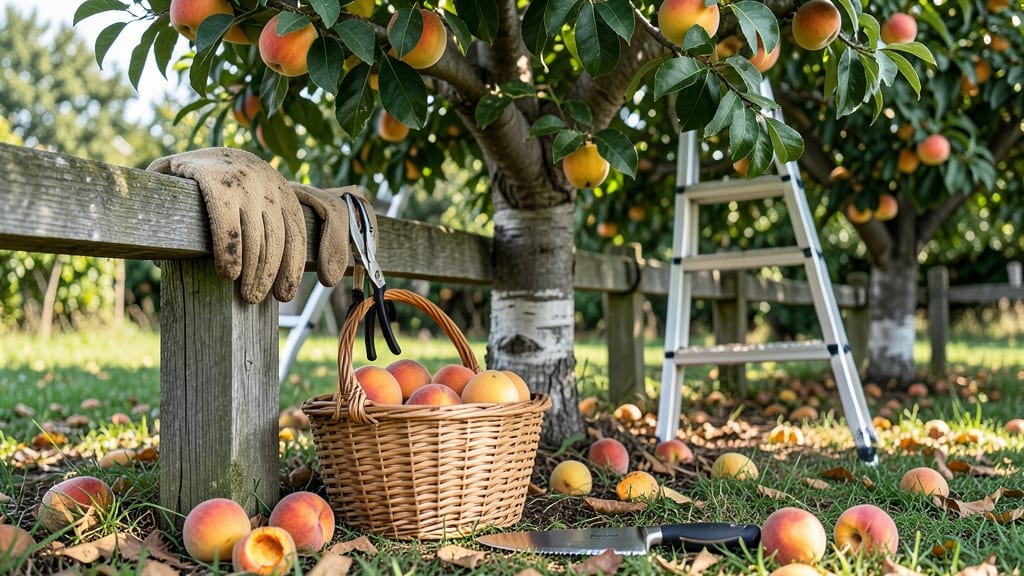
Harvesting your peach tree at the perfect moment means the difference between sweet, juicy fruit and bland, mealy peaches 🍑 — and missing that window can ruin an entire season’s work.
Peaches ripen fast—and once picked too early, they’ll never taste as sweet. You’ve spent months nurturing your tree, so why gamble on guessing when they’re ready? The right timing isn’t just about color or size; it’s about texture, scent, and even how they twist from the branch.
In this guide, I’ll walk you through the 5 key signs of ripeness, the best tools to use (and how to avoid damaging your tree), and how to store your harvest so it stays fresh longer.
No more biting into a peach that’s still tough or waiting too long and watching them rot on the branch.
Whether you’re a first-time grower or a seasoned gardener, these tips will help you pick your peaches at their peak—so you can enjoy that perfect balance of sweetness and flavor every time.


When to harvest peaches: 5 key signs of perfect ripeness
Harvesting peaches at the perfect moment transforms a good crop into a flavor explosion. Unlike apples, peaches never ripen fully once picked—they must be harvested at peak ripeness for that juicy, sweet taste.
Missing these signs means sacrificing flavor, texture, and even storage life. I’ve learned the hard way: underripe peaches taste bland, while overripe ones turn mealy and lose their charm.
Timing is everything with peaches. They ripen in just 7-14 days once they reach maturity, so knowing the 5 key indicators of readiness can make or break your harvest. These signs—color, texture, scent, stem separation, and blush depth—work together like a symphony.
Ignore one, and you might end up with fruit that’s either too tart or too soft. Let’s break down each clue so you can pick your peaches at their absolute best.
- 1 Deep, Vibrant Color: Look for a rich, consistent hue—no pale patches. Yellow peaches should turn golden-yellow, while red varieties deepen to blushing red or bronze tones.
- 2 Slight Softness: Gently squeeze the peach—it should yield slightly to pressure (like a ripe avocado) but not feel mushy. A firm peach isn’t ready; a squishy one is overripe.
- 3 Fragrant Aroma: Hold the peach near your nose—it should smell sweetly fragrant at the stem end. No scent? Not ripe. Overpowering fermented smell? Too late.
- 4 Easy Stem Separation: Grasp the peach and twist gently—it should detach cleanly from the stem with minimal force. If it resists, it’s not ready; if it pulls off too easily, it’s overripe.
- 5 Blush Uniformity: Check for even color distribution. Uneven blush or green patches mean the peach needs more time on the tree.
Let’s tackle the color confusion first—because this is where many gardeners trip up. Peaches come in yellow, white, red, or freestone/clingstone varieties, and each has its own ripe color cues.
For example, Elberta peaches (a classic freestone) turn from pale green to a deep golden-yellow with red blush. Meanwhile, Redhaven peaches develop a rich, wine-red hue on one side. Pro tip: Use a color chart from your peach variety’s description—some nurseries provide these!
Texture is your second secret weapon. A ripe peach should feel firm but yielding, almost like a softball. To test, press your thumb gently into the flesh near the stem. If it leaves a slight indent but doesn’t dent deeply, you’re golden.
Avoid peaches that feel rock-hard (underripe) or mushy (overripe). Remember, peaches won’t soften after picking, so this check is non-negotiable.
Your nose knows more than you think. A ripe peach emits a distinct, sweet fragrance at the stem end—almost like peach cobbler fresh from the oven. If you can’t smell it, the peach isn’t ready.
But here’s a trick: Hold a bunch of peaches together and sniff—the combined scent is more noticeable. This works especially well for white-fleshed varieties, which are trickier to judge by color alone.
The stem test is my favorite because it’s foolproof. Twist the peach gently—it should separate from the stem with a slight pop. If the stem snaps off cleanly (no fruit attached), it’s perfect. If the peach hangs on stubbornly, it needs more time.
And if it falls off too easily, it’s already overripe. This test also helps you avoid bruising the fruit, which happens when you pull too hard.
Don’t overlook the blush pattern, especially for red or pink varieties. A ripe peach’s blush should be deep and even, not patchy or faint. For example, a Suncrest peach will show a bright red blush covering at least 50% of the fruit.
If the blush is light or uneven, the peach isn’t ready. This is particularly important for clingstone varieties, which often ripen slightly later than freestones.
One common mistake I see is harvesting by calendar instead of by signs. While peaches typically ripen in late July through August (depending on your USDA zone), heatwaves or cool spells can shift timing. For instance, in Zone 7, peaches might ripen 2 weeks earlier than in Zone 5. Always check the fruit, not the calendar. And if you’re unsure, pick a few test peaches—you can always use underripe ones for jam or baking
Harvesting peaches at the right time ensures peak flavor and tree health. The wrong technique can bruise fruit or stress your tree, reducing next year’s yield. I’ve learned that gentle handling and proper timing make all the difference—here’s exactly how to do it right. Start by inspecting your peaches for four key ripeness signs: vibrant color, slight softness, easy stem separation, and a sweet fragrance. These clues tell you when fruit is ready to pick without overripening. Never harvest based on color alone, as some varieties stay firm until the last moment. For small batches, use your hands—gently grasp the peach and twist until it releases. This method preserves the fruit’s integrity and prevents bruising. If harvesting large quantities, invest in a harvesting hook or fruit picker with a long handle to avoid overreaching and damaging branches. Once picked, handle peaches with care to avoid physical damage. Place them in a shallow container lined with a soft cloth or paper towels to cushion impacts. Never stack peaches—this causes bruising and spoilage. Store them in a cool, shaded area (like a garage) for up to 3 days before refrigerating. After harvesting, inspect your tree for damaged branches or pests. Prune any broken limbs immediately to encourage new growth. Water deeply afterward to help the tree recover, especially if you harvested heavily. This step ensures your peach tree stays healthy and productive for years to come. Pro tip: Harvest peaches in the morning when temperatures are cooler. This reduces heat stress on the fruit and makes them easier to handle. Plus, morning-picked peaches often ripen more evenly at home.Best practices for peach tree harvesting without damaging fruit