
Vegetables
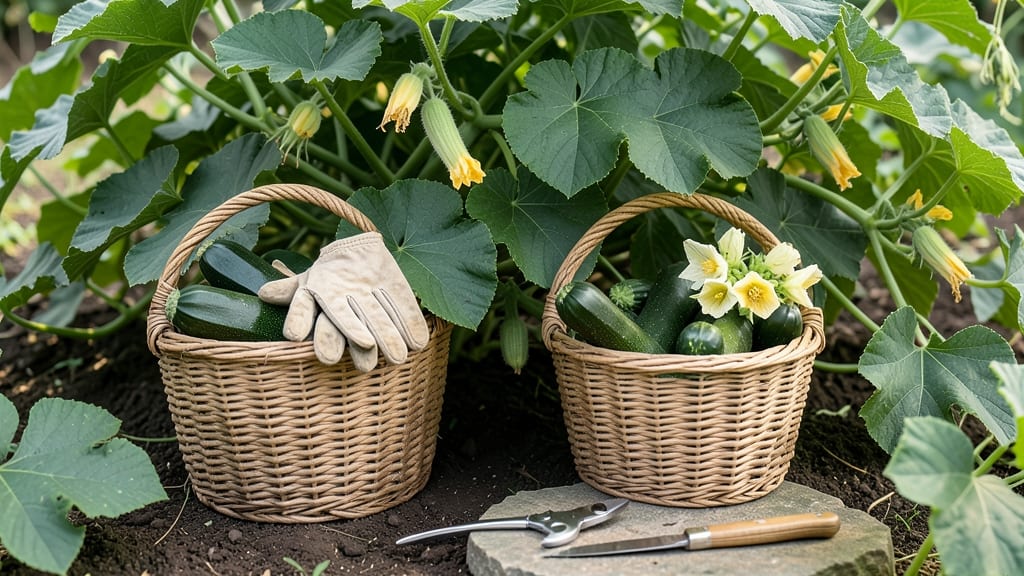
Harvesting squash blossoms at their peak means catching them before they wilt — a fleeting window that turns these delicate flowers into a gourmet prize.
Imagine plucking a zucchini blossom just as it unfurls, its petals still glistening with morning dew, only to have it droop by noon if you miss the timing. That’s the challenge: these edible flowers demand precision, but the reward is worth it.
One bite of a properly harvested blossom—lightly fried or stuffed with cheese—can turn a simple meal into something extraordinary.
Most gardeners overlook squash blossoms, focusing instead on the fruit, but the flowers are the real secret weapon. They’re packed with flavor and nutrients, and varieties like zucchini and butternut squash produce them in abundance.
The key? Knowing exactly when to pick them—morning harvests yield the freshest taste, while afternoon heat can turn them bitter or wilted.
In this guide, I’ll walk you through everything from identifying the perfect blossom to harvesting it without damaging your plant. You’ll learn which tools to use, how to tell male from female flowers (yes, it matters!), and how to prepare them for cooking or garnishing.
By the end, you’ll never let a single blossom go to waste again.
When to harvest squash blossoms: the exact timing tricks for peak flavor
Squash blossoms reach their peak flavor and tenderness within a 24-hour window after fully opening. Missing this window means sacrificing their delicate, nutty taste—similar to fresh peas or asparagus. The key lies in recognizing the three critical stages of blossom development and understanding how each impacts harvest timing.
Most gardeners overlook the morning harvest rule: pick blossoms between 7 AM and 9 AM when temperatures are cool. This preserves moisture and prevents wilting. Late afternoon harvests (after 3 PM) often result in limp flowers that lose their crisp texture and vibrant color within hours.
Female blossoms—easily identified by the tiny squash at their base—should be harvested before the fruit swells. This ensures the flower remains tender and doesn’t develop a tough stem. I once missed this cue and ended up with blossoms so fibrous they were unusable in my zucchini fritters.
Color is your second best indicator. Look for blossoms with vibrant yellow or white petals and no brown edges. Dull or fading colors signal the flower is past its prime. For butternut squash varieties, the blossoms often have a slight orange tint—harvest these when fully opened but still crisp.
Time-of-day matters more than you might think. Morning-dew-covered blossoms are ideal because they’ve absorbed moisture overnight, keeping them hydrated. If you must harvest later in the day, place freshly picked blossoms in a glass of water for 1-2 hours to revive them before using.
Distinguishing male vs. female blossoms isn’t just about preference—it’s about strategy. Male blossoms appear first and in larger numbers, making them perfect for quick cooking methods like tempura. Female blossoms are rarer but pack a more complex flavor, ideal for stuffing or baking.
Extreme heat or humidity can shorten the harvest window by up to 50%. On days above 85°F (29°C), pick blossoms by 6 AM to avoid wilting. I’ve found that shade-cloth over squash plants during peak afternoon sun can extend the harvest window by 2-3 days.
Never harvest blossoms after noon on hot days—they’ll wilt within hours, losing their crisp texture and delicate flavor. Even a 30-minute delay can turn a perfect blossom into a sad, limp flower. Store harvested blossoms in the fridge for up to 2 days if you can’t use them immediately.
For continuous harvests, focus on zucchini or pattypan squash varieties—they produce the most blossoms. Remove spent blossoms daily to encourage new growth. I’ve seen my zucchini plants produce 50% more blossoms when I harvest consistently, compared to just 20% when I’m lax.
🌱 Remember: the first 2 hours after opening are the sweetest window. After that, sugar levels drop, and the blossom’s texture becomes less appealing. Treat your squash blossoms like morning glories
How to harvest squash blossoms without damaging the plant: step-by-step techniques
Harvesting squash blossoms requires a gentle touch to preserve both the flower and your plant’s health. The wrong move can cause wilting or even stunt future blooms. Start by choosing the right tools—a sharp pair of clean pruning shears or scissors is ideal.
Avoid using your hands or dull blades, which can crush delicate stems and invite disease.
Timing matters too. Always harvest in the early morning when blossoms are fully open and hydrated. This ensures they stay fresh longer and reduces stress on the plant. Look for fully open male flowers (they have a slender stem) since they’re the best for eating and won’t affect fruit production.
⚠️ NON-NEGOTIABLE: Avoid These Harvesting Mistakes ⚠️
❌ Harvesting female blossoms (they’ll reduce fruit yield)
❌ Cutting stems too close to the vine (leaves stubs that rot)
❌ Using dirty tools (spreads bacteria to healthy plants)
❌ Over-picking in one session (stresses the plant and stops blooming)
❌ Ignoring weather conditions (harvesting after rain makes flowers soggy)
💡 Pro Tip: Limit harvests to 2-3 blossoms per plant to encourage regrowth.
When harvesting, hold the flower’s stem at a 45-degree angle and cut about 1 inch below the bloom. This prevents water loss and protects the plant’s energy reserves. Never pull blossoms off—their stems connect to the plant’s vascular system, and tearing them can cause damage that invites pests.
After harvesting, store blossoms in a paper towel-lined container in the fridge for up to 2 days. For immediate use, rinse gently and pat dry.
To encourage more blooms, water the base of the plant deeply after harvesting and apply a balanced fertilizer (like 10-10-10) every 4-6 weeks during the growing season.
If you notice wilting or yellowing leaves after harvesting, your plant may be stressed. Reduce future harvests and ensure it gets 6-8 hours of sunlight daily. Mulch around the base to retain moisture, and avoid overwatering—soggy soil can drown roots and stop blooming.
With these techniques, you’ll enjoy a steady supply of fresh, flavorful squash blossoms all season long while keeping your plants thriving. Happy harvesting! 🌿