
Picking
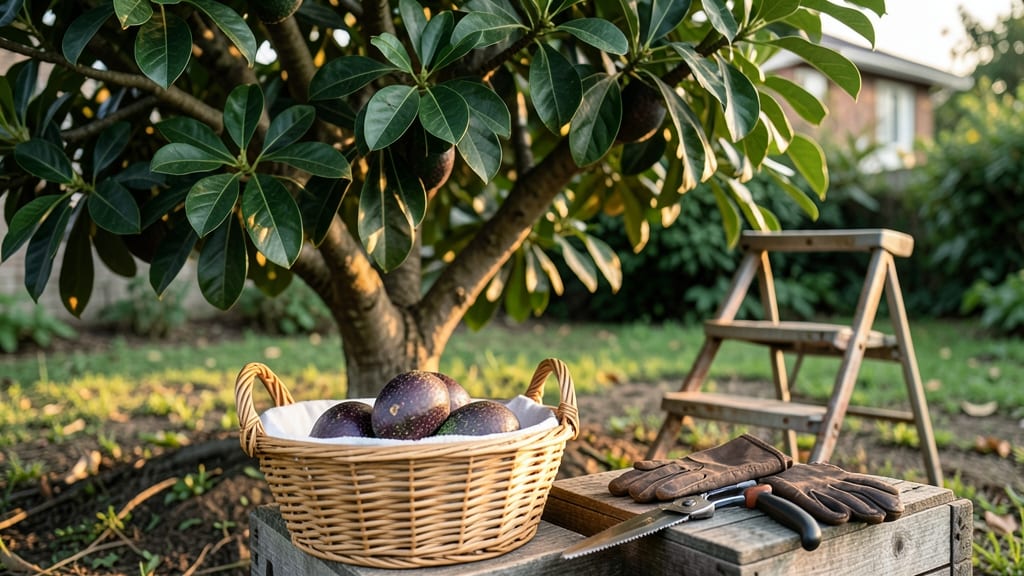
The harvest time for avocados depends on mastering three simple tests—because picking too early means waiting months for ripeness, and too late means mushy waste.
Wasting perfectly good avocados because you picked them too late—or too early—happens more often than you think. 🥑 Whether you're a home gardener in Zone 9b or a small-scale grower in a warmer microclimate, timing is everything.
Most varieties, like the popular Hass, ripen in fall but need to be harvested when mature—not ripe. That means checking for color shifts (black/purple for Hass), a slight give when you rock the fruit, and a stem that twists off easily.
Below, I’ll walk you through the exact finger-press tests, seasonal windows by zone, and post-harvest tricks to keep your crop fresh for weeks—no guesswork, just creamy perfection every time.

How to test avocado ripeness with 3 finger-press methods
Avocados are unique because they ripen after being harvested, so timing is everything. The three finger-press tests—stem test, pit test, and side test—are my go-to methods for determining when avocados are ready to pick.
Each test gives you different clues about the fruit's maturity, and combining them ensures you harvest at the perfect moment.
Why does this matter? Picking too early means waiting weeks for ripening, while picking too late leads to overripe fruit that’s mushy and unappetizing. The key is learning to read the tactile feedback from your avocado tree’s fruit.
Let’s dive into each method so you can master the art of the perfect harvest.
🌱 Pro Tip: Always test multiple fruits on the same tree—maturity can vary even among branches.
| Test Method | How to Perform | Ready Signs | Not Ready Signs |
|---|---|---|---|
| Stem Test | Gently twist the fruit’s stem while holding the branch. | Stem separates cleanly with slight resistance. | Stem tears or requires force. |
| Pit Test | Press your thumb firmly into the fruit’s thickest part near the pit. | Skin yields slightly (like a ripe peach) but doesn’t dent. | Skin feels rock-hard or dents deeply. |
| Side Test | Press your fingers into the fruit’s side (away from the stem). | Fruit gives 1-2mm without bruising. | Fruit feels unyielding or bruises easily. |
The stem test is the most reliable for Hass avocados, the variety most gardeners grow. When the stem detaches with a slight twist, the fruit is mature and ready for harvest.
This test works because the stem naturally separates as the fruit’s abscission layer (a weak layer at the stem) develops during ripening.
For the pit test, focus on the fruit’s thickest section near the pit. A ripe avocado will feel slightly soft to the touch but won’t dent like an overripe one.
Think of it as the texture of a ripe melon—firm but yielding. If the skin springs back immediately when pressed, it’s not ready yet.
My favorite method for precision is the side test. Press your fingers into the fruit’s side (not the stem or pit area). A ripe avocado will give just enough to leave a faint fingerprint but won’t bruise.
This test helps distinguish between firm-ripe and overripe fruit, which can be tricky with other methods.
Combine all three tests for the most accurate results. For example, if the stem detaches easily but the pit test feels too firm, wait a few days before harvesting.
Consistency across all three tests means your avocados are perfectly ripe and ready for the kitchen—or storage, if you’re planning to ripen them later.
🌿 Visual Cue: Check for color changes too! Hass avocados turn from green to deep purple-black when ripe, while Fuerte varieties stay green but develop a slight yellow tint.
If you’re harvesting for long-term storage, aim for firm-ripe avocados—they’ll ripen evenly off the tree. For immediate use, let them ripen slightly more on the tree. And remember: once harvested, avocados continue to ripen, so handle them gently to avoid bruising.
✂️ Harvesting Tip: Use pruning shears to cut the stem cleanly, leaving a small stem cap on the fruit. This prevents moisture loss and extends shelf life.
Best time of year and climate factors for avocado harvesting
Timing your avocado harvest depends on USDA zone, seasonal climate patterns, and whether your tree grows in-ground or in containers. In frost-free zones like Zone 10-11, avocados ripen year-round, while cooler microclimates (like Zone 9b) see peak harvests in late spring.
Understanding these factors ensures you pick fruit at its peak ripeness—not before it spoils or after it turns mealy.
Climate plays a critical role: temperature fluctuations and rainfall patterns directly impact fruit development. For example, consistent warmth (above 60°F) speeds ripening, while excessive rain can dilute flavor and cause rot.
Container-grown avocados, common in urban gardens, may ripen 1-2 weeks earlier than in-ground trees due to faster soil temperature changes.
🌱 Key Takeaway: Hass avocados (the most popular variety) typically harvest in late fall to winter in warm climates, but timing shifts 2-3 months earlier in cooler zones. Always prioritize fruit maturity tests over calendar dates.
In Zone 10b-11, where avocados thrive year-round, harvest peaks align with natural fruiting cycles. For example, Hass avocados in California’s coastal regions ripen from October to December, while inland areas may see harvests stretch into January due to cooler nights.
Meanwhile, Zone 9b gardeners should watch for fruit color changes in late spring, as cooler temperatures delay ripening.
Rainfall is another critical factor: excessive moisture before harvest can dilute flavor and increase rot risk. In humid climates, prioritize well-draining soil and reduce watering 2 weeks before picking. Container-grown trees, often in urban settings, benefit from drip irrigation systems to maintain consistent moisture without overwatering.
For container avocados, harvest timing shifts slightly due to faster soil temperature changes. Pots heat up quicker in sun, accelerating ripening by 1-2 weeks compared to in-ground trees. Monitor fruit firmness closely—container-grown avocados may ripen unevenly across the tree.
If you’re growing in Zone 9a or cooler, consider protective covers during unexpected cold snaps to preserve fruit quality.
Pro tip: Keep a harvest journal to track your tree’s unique patterns. Note first fruit color changes, stem detachment ease, and local weather shifts.
Over time, you’ll refine your timing to avoid the double disappointment of underripe or overripe avocados—because nothing beats a perfectly ripe, buttery-smooth Hass straight from your tree! 🌿