
How To
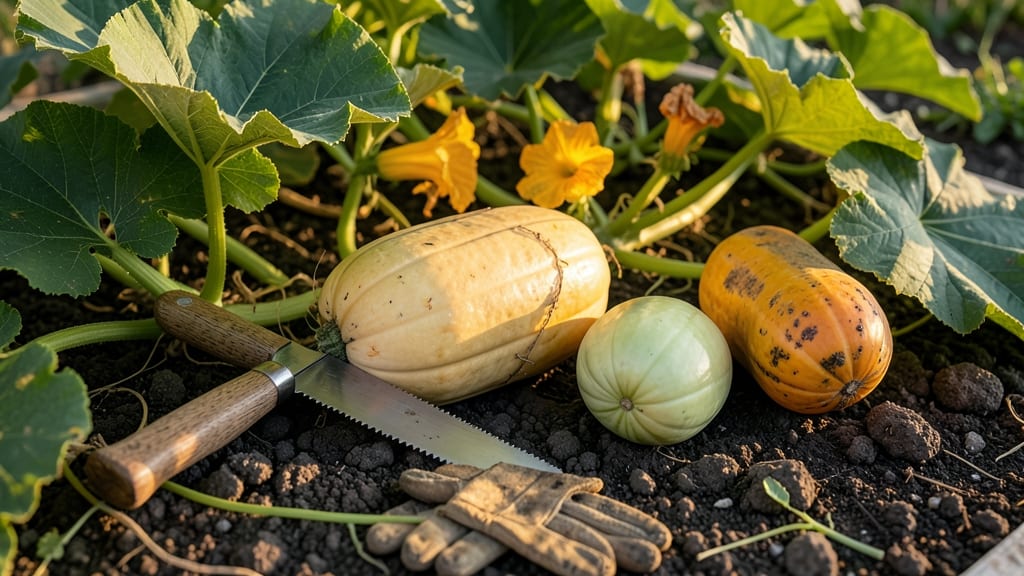
Knowing when to harvest spaghetti squash 🎃 depends on three key signals: seed color, skin texture, and stem changes—each one a clue that your squash is ready for the kitchen.
Picture this: you’ve waited 90 days for those vines to yellow, but now you’re staring at a squash that could be perfect—or just past its prime. One wrong move, and you’ll end up with bitter, stringy strands instead of the tender "noodles" you’re dreaming of.
Here’s the game-changer: the seeds inside should shift from bright green to white or pale yellow, while the skin turns dull tan and resists a fingernail’s press. Miss these cues, and you’ll either harvest too early (underdeveloped, seedy) or too late (woody, tough).
Below, I’ll walk you through the exact visual checks, the best time of day to harvest, and how to store your squash so it stays fresh for weeks—no guesswork, just foolproof results.
Spaghetti squash harvest guide: 5 signs your squash is ripe and ready
Timing your spaghetti squash harvest is an art—one wrong move, and you’ll sacrifice that perfect tender, stringy texture for bitter, seedy disappointment. Unlike other squash varieties, spaghetti squash has unique ripeness signals that gardeners often overlook.
I’ve harvested enough to know the difference between a squash that’s just right and one that’s past its prime, and I’m sharing my top 5 foolproof signs to help you nail it every time.
Most gardeners focus on skin color changes, but the real magic happens inside—where the seeds transform color and the flesh begins its stringy metamorphosis.
The key is combining visual cues with physical tests to avoid the two biggest mistakes: harvesting too early (tough, watery flesh) or too late (overly seedy, woody texture). Let’s break down what to watch for, step by step.
-
1. Seed Color Shift
Inspect the cavity—ripe seeds turn from bright green to creamy white or pale yellow. This is your most reliable indicator.
-
2. Skin Texture Hardness
Press your fingernail into the skin—if it doesn’t puncture easily, the squash is ready. Overripe squash feels wooden and difficult to cut.
-
3. Stem Drying
The stem should dry out and snap easily when bent. A green, flexible stem means more time is needed.
-
4. Weight and Size
A ripe squash feels heavy for its size. Lift it—if it’s lightweight, it’s not ready yet.
-
5. Vine Yellowing
The vines should turn yellow and die back. This signals the plant is redirecting energy to the squash.
Let’s start with the seed color shift, because this is where most gardeners go wrong. Many assume a squash is ready just because the skin looks mature, but the seeds tell the real story.
A fully ripe spaghetti squash will have seeds that are creamy white or pale yellow—not green. Pro tip: Use a flashlight to peek inside the cavity without cutting the squash open. If the seeds are still green, give it another 7-10 days.
Next, the skin texture is your second best friend. A ripe squash’s skin should be hard and dull, not shiny or soft. Run your thumb over it—if you can’t leave a dent, it’s ready.
I’ve learned the hard way that squash left on the vine too long becomes woody and tough, even if the seeds look ripe. Harvest before the skin turns orange or brown, as this indicates overripeness.
The stem drying is often overlooked, but it’s a game-changer. A ripe spaghetti squash’s stem will feel dry and papery and snap cleanly when bent. If the stem is still green and flexible, the squash needs more time.
This is especially critical in humid climates, where stems stay green longer due to excess moisture.
Don’t underestimate the weight test. A ripe squash feels surprisingly heavy for its size because it’s packed with water and nutrients. If yours feels lightweight, it’s not ready.
I once harvested a squash that looked perfect but was hollow inside—turns out, it was underwatered during a heatwave. Always check weight alongside other signs.
Finally, keep an eye on the vines. When they start yellowing and dying back, it’s a clear signal that the plant is shifting energy to the squash.
This usually happens 2-3 weeks before harvest, so stay vigilant. If your vines are still green and lush, your squash isn’t ready yet—even if the skin looks mature.
One common mistake I see is harvesting based on days after flowering alone. While spaghetti squash typically takes 85-100 days to mature, environmental factors like temperature and sunlight can delay or speed up ripening.
Always combine visual cues with physical tests for accuracy. For example, a squash in partial shade might take longer to ripen, even if the days add up.
If you’re still unsure, here’s my final pro tip: Harvest one squash as a test. Cut it open and check the seeds and flesh. If the seeds aren’t white or yellow, leave the others on the vine for another week.
Remember, underripe squash is salvageable (just cook it longer), but overripe squash is a loss. With these signs, you’ll never miss the window again.
Seed color shift: the most reliable harvest signal for spaghetti squash
When growing spaghetti squash, one of the most reliable indicators of ripeness is the seed color shift inside the fruit. Unlike other squash varieties, spaghetti squash seeds change from bright green to creamy white or pale yellow as they mature.
This transformation signals that the squash is ready for harvest, ensuring the perfect balance of tenderness and flavor.
I’ve found that this method works better than relying solely on skin color, especially in shady patches where squash might not develop the classic yellow hue. The seed color change is a foolproof way to confirm ripeness without damaging the fruit.
Here’s how to check it properly and what to do if the seeds aren’t changing color.
⚠️ CRITICAL: Never cut into the squash to inspect seeds before harvest. Instead, use a flashlight and gently press your thumb against the squash’s blossom end (the opposite end of the stem). This creates a small indentation where you can peer inside without harming the fruit.
The blossom end is the best spot to check because it’s naturally thinner. If the seeds inside are still green, the squash needs more time on the vine. If they’ve turned white or pale yellow, it’s time to harvest within the next 24-48 hours to avoid overripeness.
If you’re checking seeds and they’re still green after 90-120 days (the typical maturity window for spaghetti squash), there are a few potential issues. First, check if the squash is receiving full sun exposure—shade can delay seed development.
Second, ensure the plant isn’t water-stressed; consistent moisture is key for proper maturation.
In my garden, I’ve had success with hand-pollination if bees aren’t doing the job. Use a small paintbrush to transfer pollen from male to female flowers in the morning. This can boost seed development, especially in cooler climates where pollinators are less active.
Once the seeds turn white or yellow, harvest within 24 hours to prevent the flesh from becoming woody or seedy. Store ripe squash in a cool, dry place (50-55°F) for up to 3 months, or cook it immediately for the best texture.
The seed color shift might be subtle, but it’s the most accurate way to guarantee a perfect harvest every time.