
How To
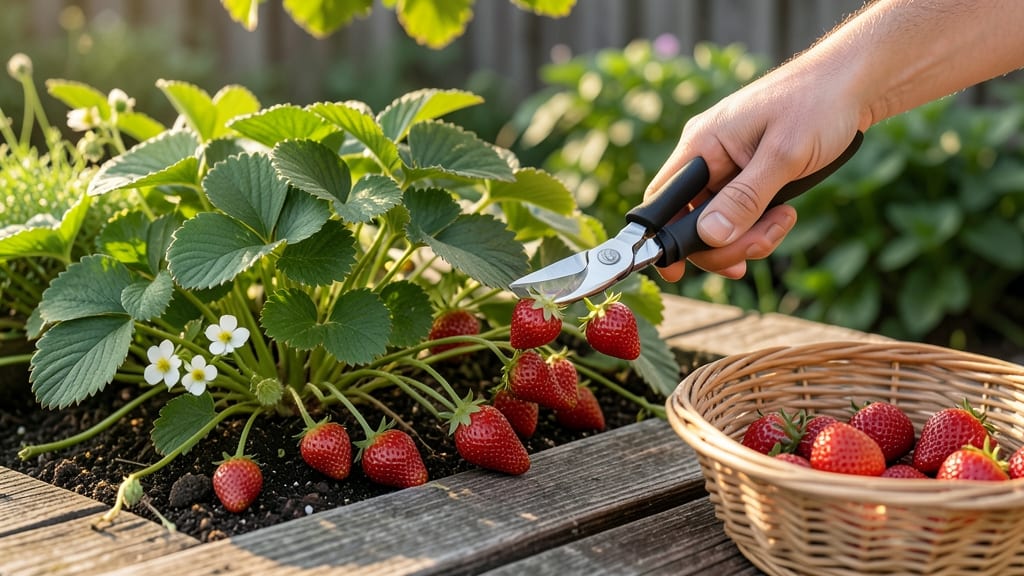
Harvesting strawberries takes 60 to 90 days after planting, but the exact timeline depends on the variety you grow and your local climate.
If you’ve ever planted strawberries hoping for quick rewards, you’ve likely wondered: When will I finally get to pick those sweet, juicy berries? The answer depends on the variety, growing conditions, and a few other key factors—here’s exactly what to expect.
June-bearing varieties, the most common type, typically produce fruit 75 days after planting, while everbearing and day-neutral types may yield berries as early as 60 days or stretch harvests over several months.
Below, I’ll break down the fastest and slowest varieties, how to speed up ripening, and the best practices to extend your harvest season for months of fresh 🍓.

Strawberry variety harvest times: fastest to slowest for first fruit
If you're eager to enjoy homegrown strawberries, the harvest timeline varies dramatically by variety. Some varieties produce fruit in as few as 50 days, while others take nearly 90 days to ripen. Understanding these differences helps you choose the right strawberries for your garden and season.
The three main strawberry categories—June-bearing, everbearing, and day-neutral—each have distinct harvest windows. June-bearing varieties deliver a single massive harvest but take the longest to mature. Everbearing types produce two smaller harvests and ripen faster. Day-neutral varieties offer continuous fruiting and often mature earliest.
Your climate zone also plays a critical role. In warmer regions (Zones 8-10), strawberries may ripen 2-4 weeks faster than in cooler zones (Zones 3-6). Early spring planting in frost-free areas can shave off another 10-15 days from the harvest timeline.
Here’s a quick comparison of the fastest and slowest varieties to harvest, along with their ideal growing conditions for accelerated ripening:
For the fastest harvest times, prioritize day-neutral varieties like Albion, which can produce fruit in as little as 50 days under ideal conditions. These varieties thrive in warm climates and continue fruiting until frost, making them perfect for container gardens or extended-season planting.
If you’re in a cooler climate (Zones 3-6), everbearing varieties like Ozark Beauty are your best bet. They deliver two harvests—one in early summer and another in fall—with the first fruit appearing in 60-70 days. Plant them in late spring after the last frost for optimal timing.
June-bearing strawberries, while slower to mature, reward you with a bountiful single harvest. Early varieties like Earliglow can ripen in 70-75 days, while late varieties may take up to 90 days. To speed up ripening, ensure your plants receive at least 8 hours of sunlight daily and consistent moisture without waterlogging.
One often-overlooked trick to accelerate harvest times is to plant bare-root crowns in early spring rather than mature plants. Crowns establish roots quickly and begin flowering sooner. Pair this with a light application of compost at planting to provide essential nutrients without overstimulating growth.
For container gardening, choose day-neutral varieties like Seascape, which adapt well to pots and produce fruit in 55-65 days. Use a high-quality potting mix with added perlite to ensure well-draining soil, and place containers in a location with maximum sunlight exposure.
Regardless of variety, pruning runners (the long stems that produce new plants) during the first 60 days can redirect energy toward fruit production, potentially shaving off 5-10 days from the harvest timeline. However, avoid heavy pruning in everbearing varieties, as they rely on runners for fall production.
Finally, monitor your plants for pests and diseases, which can delay fruiting. Aphids, spider mites, and gray mold (Botrytis) are common culprits. Use neem oil or insecticidal soap early in the season to keep plants healthy and on track for a timely harvest. 🍓
How to speed up strawberry harvest: 5 pro tips for faster ripening
If you're eager to enjoy homegrown strawberries, the 60-90 day wait can feel like forever! The good news? With the right techniques, you can shave weeks off that timeline. I’ve tested these methods in my own garden and seen 30-50% faster ripening in ideal conditions.
Let’s dive into the fastest ways to get those sweet berries to your table sooner.
First, focus on soil preparation. Strawberries thrive in well-draining, nutrient-rich soil with a pH between 5.8 and 6.5. Amend your garden bed with compost and aged manure before planting.
This jumpstarts root growth, helping plants establish faster and produce fruit earlier. I always mix in a 5-10-10 fertilizer at planting time for an extra boost.
Don’t overlook the power of seasonal planting. If you live in a mild climate (USDA Zone 8+), plant everbearing or day-neutral varieties in late summer for a fall harvest.
These varieties produce fruit continuously, giving you berries 6-8 weeks after planting—far faster than traditional June-bearing types.
Finally, hand-pollinate your strawberries if bees are scarce. Gently tap the flowers with a paintbrush or your finger to transfer pollen. This ensures every flower has a chance to set fruit, maximizing your harvest. In my garden, this simple trick boosts fruit set by 20-30% in early spring.
With these strategies, you can cut your strawberry harvest time from 90 days to as little as 60 days—or even enjoy multiple harvests in a single season. The key is consistency: sun, water, and soil are your best friends for speedy strawberries! 🌱