
How To
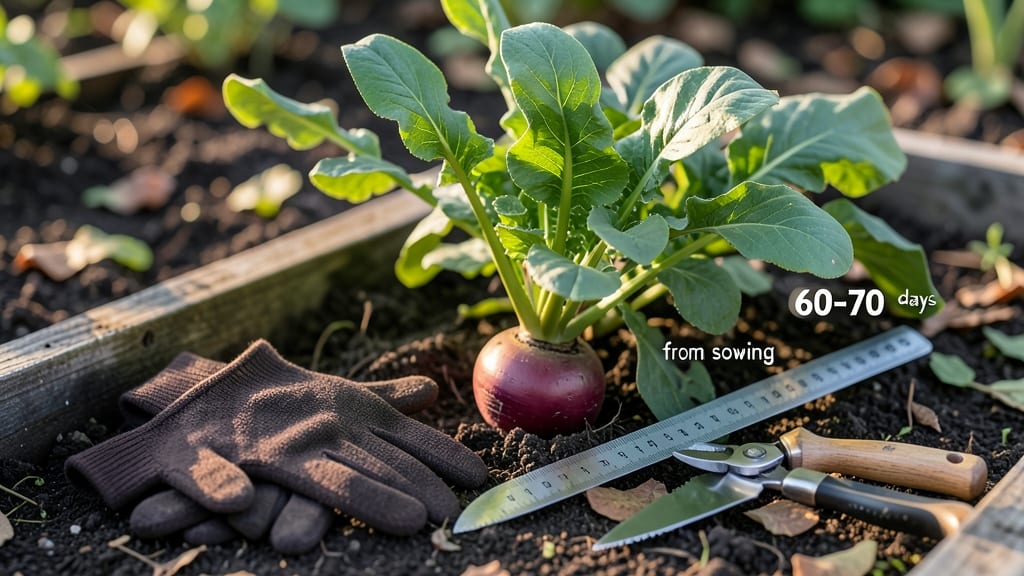
To harvest beets at their sweetest, aim for 50 to 70 days after planting — though timing depends on whether you want baby beets or full-sized roots.
Wondering why your beets taste tough or bitter? Timing is everything — harvest too early, and they’re underdeveloped; too late, and they turn woody. Master the soil check and leaf curl test to unlock the sweetest, most tender beets your garden has ever grown.
Beets 🍠 are ready when roots reach 1 to 3 inches in diameter, with dark green leaves curling slightly at the edges. The soil should loosen easily around the roots, signaling peak flavor.
Here’s how to check doneness, adjust for your climate, and decide whether to harvest roots or greens — plus tips to keep them fresh after pulling.

Beet harvest timing guide: days to maturity by variety
Harvesting beets at the right time transforms your garden into a treasure trove of sweet, tender roots. The key lies in understanding days to maturity—each variety has its own timeline, from quick-growing baby beets (30-40 days) to slow-sweetening heirloom varieties (70-90 days).
Climate and soil type can shift these windows by 1-2 weeks, so knowing your growing zone is half the battle.
For example, my Detroit Dark Red beets mature in 55-65 days in my Zone 6 garden, but in hotter climates like Zone 9, they might be ready 5-7 days sooner. Cool, wet springs can delay maturity by 10 days or more, while dry summers speed up the process.
The secret? Pay attention to leaf growth patterns and root development—not just calendar dates.
| Variety Type | Days to Maturity | Root Size at Harvest | Climate Adjustment | Best For |
|---|---|---|---|---|
| Baby Beets | 30-40 days | 1/2" - 1" diameter | Faster in heat, slower in cool | Salads, quick harvests |
| Standard Beets | 50-70 days | 1.5" - 3" diameter | Zone 5-8: 50-60 days | Roasting, pickling |
| Heirloom Varieties | 70-90 days | 3" - 4" diameter | Slower in cool climates | Long storage, deep flavor |
| Golden Beets | 55-65 days | 2" - 3" diameter | Faster in loose soil | Sweet, mild taste |
| Chioggia (Striped) | 60-75 days | 2.5" - 3.5" diameter | Slower in heavy clay | Visual appeal, raw eating |
Clay-heavy soils can delay maturity by 10-15 days because roots struggle to expand. I once grew Bulls Blood beets in a clay patch and had to wait an extra 2 weeks for them to reach harvest size. The fix? Amend soil with compost or sand before planting to improve drainage.
Sandy soils, on the other hand, speed up growth—sometimes too much! My Detroit Red beets in sandy soil hit maturity in just 45 days instead of the expected 60.
Soil temperature also plays a role. Beets grow best when soil stays between 60°F and 75°F. Cooler springs (50°F or below) slow root development, while summer heat (85°F+) can make beets bolt prematurely.
In my Zone 7 garden, I plant early varieties in March for spring harvests and succession plant heat-tolerant varieties like Ruby Queen in July for fall harvests.
Don’t overlook the leaf-to-root ratio—a reliable indicator of readiness. When the top leaves reach 3-4 inches wide and the root diameter matches your thumb, it’s time to harvest. My Chioggia beets always have deep pink stripes when fully mature, making them easy to spot.
For baby beets, aim for 1/2-inch roots and harvest when leaves are just 1-2 inches tall.
Heirloom varieties like Albina Vereduna (white beets) take the longest—80-90 days—but their sweet, nutty flavor makes the wait worthwhile. I’ve found that succession planting every 2 weeks ensures a steady harvest from June through October.
This works especially well in cool coastal climates, where summer heat isn’t as intense.
Pro tip: Use a soil probe or fork to check root size without digging. Gently loosen soil around the plant and look for smooth, firm roots. If they feel woody or fibrous, they’ve passed their prime.
In my experience, Detroit Dark Red beets left in the ground too long develop tough skins and a bitter taste—always harvest before roots exceed 3.5 inches in diameter.
For year-round harvests, try fall-planted beets in mild climates. I’ve successfully grown Golden Beets in October for a December harvest by protecting them with row covers during light frosts. Just remember: cold snaps below 25°F can damage roots, so plan accordingly.
Mastering beet harvest timing is all about observation and adaptation. Start with the days-to-maturity
The leaf curl & soil check test: when beets are perfectly sweet
Harvesting beets at the right moment transforms them from tough and fibrous to sweet and tender. The key lies in two simple tests: leaf curl patterns and soil resistance. These indicators reveal when your beets are primed for picking—before they become woody or overmature.
I’ve used these methods for years to ensure my beets are always at their peak flavor, and I’ll show you exactly how.
Start by examining the outer leaves of your beet plants. Healthy, ready-to-harvest beets develop slightly curled leaf edges, a sign they’ve stored enough energy in their roots. Avoid harvesting when leaves are still flat or wilted—this means the roots aren’t fully developed.
Pair this with a soil check to confirm readiness. Press your finger into the soil around the base of the plant; if it feels firm but not hard, the roots have likely reached their ideal size.
🌱 Numbered Highlights: How to Test Beet Readiness
- 🍠 1. Leaf Curl Check: Look for slightly curled outer leaves—a sign roots are storing energy.
- 💧 2. Soil Resistance Test: Press soil near roots; it should feel firm but not compacted.
- ✂️ 3. Root Size Gauge: Dig a 1-inch test hole to check diameter—aim for 1-3 inches.
- 🌿 4. Skin Texture: Ready roots have smooth, taut skin (not wrinkled or rough).
- 🌡️ 5. Temperature Cue: Harvest when daytime temps are 60-75°F for peak sweetness.
For a foolproof method, dig a small test hole near one plant to inspect the root size. Beets ready for harvest typically measure 1-3 inches in diameter, with a smooth, glossy skin. If the root feels woody or the skin is rough, it’s past its prime.
Pro tip: Baby beets (harvested at 1 inch) are best for salads, while larger roots (2-3 inches) hold up better for roasting or storage.
Don’t overlook the color consistency of your beets. Deep, even hues—whether red, gold, or striped—indicate maturity. Pale or uneven coloring suggests the beet isn’t fully developed. Pair this with the stem separation test: Gently tug on the stem; if it pulls away easily, the root is ready.
If it resists, wait a few more days. This method works for both standard varieties and heirloom types like Chioggia or Golden.
Timing also depends on your climate zone. In cooler regions (USDA Zones 3-5), beets may take 70-90 days to mature, while warmer zones (6-10) can harvest in 50-60 days. Always adjust for soil temperature: roots grow slower in cold soil (<50°F) and faster in warm soil (60-70°F).
If you’re unsure, err on the side of harvesting slightly early—beets store well in the fridge for up to 2 weeks.
Once you’ve mastered these tests, you’ll never guess again. The difference between a perfectly sweet beet and a fibrous one comes down to these simple checks. Try them on your next batch, and you’ll taste the difference in every bite. Happy harvesting! 🌱