
How To
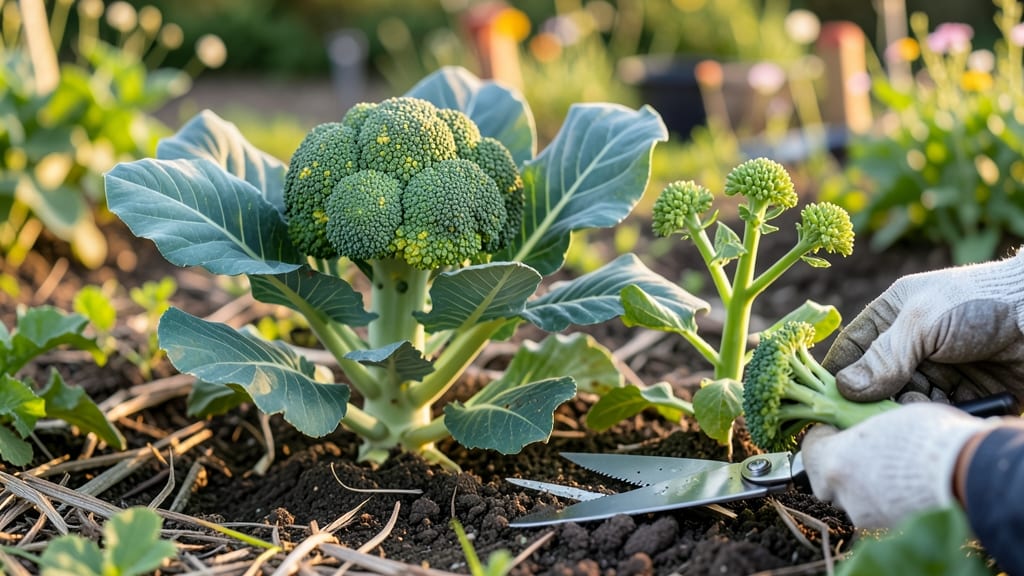
Harvesting broccoli at the right time ensures tender, flavorful heads 🥦—and missing that window means tough, bitter florets that ruin your dinner plans.
Most gardeners wait too long, letting the buds open into bitter yellow flowers instead of cutting at the peak of freshness. But how do you know when your 🥦 broccoli is ready to pick?
Look for three key signs: tight, dark green florets the size of a baseball, stems that snap cleanly when bent, and no visible yellowing. These cues tell you the moment to harvest before the plant diverts energy to seed production.
In this guide, I’ll walk you through the exact timing—from days to maturity to seasonal adjustments—so you never miss the window for crisp, restaurant-quality broccoli again.

3 Visual cues to harvest broccoli at peak freshness
Timing your broccoli harvest correctly ensures you enjoy crisp, flavorful heads instead of bitter, woody stalks. The key lies in visual cues that reveal the perfect moment to pick. Unlike other vegetables, broccoli doesn't ripen after harvest, so getting it right matters.
I've learned that even a day or two past the ideal time can ruin the texture and taste.
Most gardeners focus on the head size or color, but there are three subtle visual clues that often get overlooked. These hidden signs—like stem firmness and bud tightness—can mean the difference between a great harvest and a disappointing one.
Let me show you exactly what to look for when inspecting your plants.
-
1. Head Size & Bud Tightness
Look for a compact head between 4-8 inches wide. The buds should be tightly clustered—if you see gaps, it's past prime. Pro tip: Check the center florets first; they mature earliest. -
2. Floret Color & Texture
Perfect broccoli has deep green florets with a slightly waxy sheen. Avoid heads with yellowing tips or opening flowers—these signal overmaturity. A crisp snap when gently squeezed confirms readiness. -
3. Stem Firmness & Leaf Health
The stem should bend slightly but not break—this indicates optimal maturity. Check the lower leaves: They should be mature but not wilted. Yellow or dying leaves mean the plant is stressed or overripe.
One mistake I made early on was harvesting based solely on head size. I picked a 6-inch head that looked perfect, only to discover the inner florets were yellowing. That's when I learned to always check the center—the first part to mature.
The outer buds might still look green, but the hidden signs of overmaturity are often in the core.
Another trick is to harvest in the morning when temperatures are cool. This preserves the crisp texture and vibrant color you worked so hard to achieve. I store harvested broccoli in the crisper drawer of my fridge, wrapped in a damp paper towel to maintain moisture.
This simple step keeps it fresh for 5-7 days—long enough to enjoy multiple meals.
Don't overlook the side shoots that emerge after the main head. These secondary harvests can be just as flavorful if you harvest them young. I typically get 2-3 side shoots per plant, each requiring the same visual checks as the primary head.
The first side shoot often appears 3-4 weeks after the main harvest, so stay vigilant!
If you're growing Romanesco broccoli, the rules are slightly different. Its fractal-like florets mature more slowly, and the entire head should be fully formed before harvesting. Unlike Calabrese varieties, Romanesco doesn't produce side shoots, so timing is even more critical.
I've found that waiting an extra week for Romanesco pays off with a sweeter, more complex flavor.
One common misconception is that larger broccoli heads are always better. In reality, overgrown heads become woody and tough. I've tested this by letting a few heads grow past their prime—needless to say, the texture was unpleasant.
The sweet spot is when the head is firm, compact, and dark green, with no signs of flowering.
For container growers, timing can be trickier due to limited space. I've had success with dwarf varieties like 'Little Sprint', which mature faster and produce smaller, more manageable heads.
These are perfect for balcony gardens or small pots, but the same visual cues apply. Just be extra watchful—container-grown broccoli can mature 2-3 days faster than in-ground plants.
Remember, broccoli won't re-ripen once harvested, so act fast when you spot these cues. The perfect harvest window is narrow, but with practice, you'll develop an eye for it.
Next time you're in your garden, grab a head and give it the squeeze test—your taste buds will thank you! 🥦
Broccoli harvest timing by variety: when to pick for maximum yield
Not all broccoli varieties mature at the same pace, which means their ideal harvest windows differ too. Calabrese broccoli, the classic blue-green variety, typically reaches harvest readiness in 50-70 days after transplanting.
Meanwhile, Romanesco—with its striking fractal-like florets—takes slightly longer, around 75-90 days, due to its slower growth rate. Sprouting broccoli, like Calabrese sprouting types, offers a unique advantage: you can harvest side shoots for weeks after the main head is picked.
Seasonal timing also plays a crucial role. In cooler climates like USDA Zone 6a, spring-planted broccoli often hits its prime harvest window between late May and early July. If you're growing in warmer regions, opt for fall planting (late summer) to avoid bolting during heatwaves.
Each variety’s unique traits mean you’ll need to adjust your timing based on both type and climate to maximize your yield.
📋 Summary Table: Harvest Timing by Broccoli Variety
| Variety | Days to Harvest | Best Season | Harvest Window | Yield Tip |
|---|---|---|---|---|
| Calabrese | 50-70 days | Spring/Fall | Late May-July | Harvest main head first |
| Romanesco | 75-90 days | Spring | June-August | Wait for full fractal formation |
| Sprouting (e.g., Calabrese Sprouting) | 50-60 days (main head) | Spring/Fall | May-September | Cut main head; harvest side shoots |
For Calabrese broccoli, the most common variety, aim to harvest when the head reaches 4-8 inches in diameter and the florets are still tightly packed.
If you wait too long, the buds will start to yellow and open, turning bitter and woody. Romanesco, on the other hand, should be harvested when its fractal-like florets are fully formed but before they begin to loosen or discolor.
This variety’s unique shape makes it a standout, but it’s also more sensitive to heat stress, so prioritize cooler seasons.
Sprouting broccoli varieties are a game-changer for gardeners who want to extend their harvest season. After cutting the main head, these plants will produce smaller side shoots for several weeks. To encourage this, ensure your plants receive consistent water and nutrients post-harvest.
I’ve found that cutting the main head leaves the plant with enough energy to regrow, but only if you act quickly—wait too long, and the plant may bolt or decline.
Adjust your harvest timing based on local frost dates. In Zone 6a, for example, a late spring planting might yield broccoli just in time for summer harvests, while a fall planting could give you a second chance before winter sets in.
Always monitor your plants for signs of maturity stress, like yellowing leaves or loose florets, and be ready to harvest before these issues worsen. With the right variety and timing, you can enjoy a prolonged harvest and minimize waste.
Pro tip: If you’re growing multiple varieties, space them out by 2-3 weeks to stagger your harvest. This way, you’ll have fresh broccoli ready to pick over a longer period, ensuring you never have too much at once.
Plus, it’s a great way to experiment with different flavors and textures in your garden. Happy harvesting! 🌱