
How To
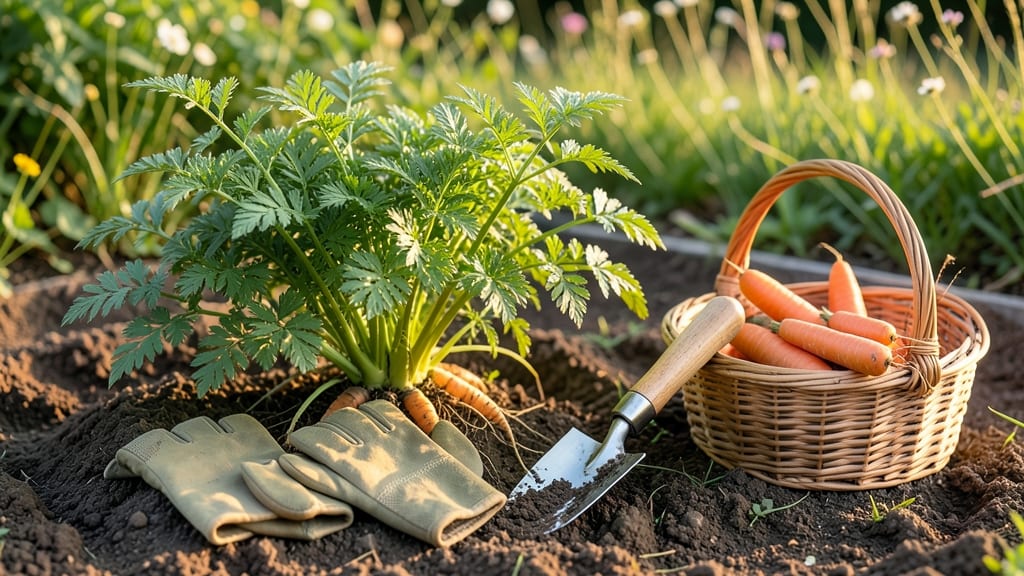
Harvesting carrots at the right time means pulling them when they're crisp, sweet, and full-sized—not before they're ready or after they turn woody.
Wondering why your 🥕 are taking forever to reach harvest size—or worse, turning tough before you can dig them? Timing is everything, and getting it wrong can mean the difference between a perfect harvest and a pile of stringy roots.
Most varieties reach maturity in 70 days, but soil conditions, weather, and even the type of carrot you're growing can shift that window. Too early, and you'll pull undersized roots; too late, and you risk tough, fibrous texture.
In this guide, I’ll walk you through how to check for readiness—from root size and soil texture to leaf health—so you can dig up carrots at their peak. No more guesswork, just perfect harvests every time.

Carrot harvest time by variety: days to maturity & root size guide
Harvesting carrots at the right time means the difference between sweet, crisp roots and tough, woody messes. Each variety matures differently, so knowing your carrot type and days to maturity is key. I’ve grown everything from Paris Market to rainbow carrots, and trust me—skipping this step leads to disappointment.
Let’s break down when to dig each type, plus how to adjust for cooler climates where growth slows.
Most gardeners assume all carrots take the same time to harvest, but that’s far from true. Paris Market carrots, for example, mature in just 50-60 days, while Danvers varieties can take up to 80 days.
Even within the same variety, root size varies—some gardeners prefer baby carrots (harvested at 1-2 inches), while others wait for full-sized roots (3-4 inches). Understanding these differences saves you from digging too early or too late.
Cooler climates add complexity. If you’re in USDA Zone 4 or 5, expect 10-15% slower growth due to shorter days and lower soil temps. I’ve found that adding row covers in early spring can shave off 7-10 days from maturity.
For fall plantings, aim to harvest before the first frost—even if roots aren’t fully sized—because cold snaps turn carrots bitter and pithy.
Here’s a quick reference for the most popular carrot varieties, including their days to maturity, ideal root size, and whether they’re best suited for baby harvests or full-grown roots:
If you’re growing Paris Market carrots, you can start harvesting as early as 50 days for tender baby carrots. These are perfect for salads or quick cooking, but they won’t store long-term.
For Danvers varieties, wait until 70-80 days—these are the classic storage carrots, holding their quality for months in a cool, dark place. Chantenay carrots are my go-to for rocky or heavy soil; their shorter, stouter roots thrive where other varieties fork.
Rainbow carrots add color to your garden and plate, but their 65-75 day maturity means they’re best for shorter seasons. In cooler climates, I’ve had success treating them like Danvers—planting early and using black plastic mulch to warm the soil.
This trick adds 10-14 days to the growing season without extra effort. Pro tip: If your carrots are taking longer than expected, check soil temperature—roots struggle to grow below 50°F (10°C).
One mistake I see often is assuming all carrots are ready at the same time. Paris Market might be harvest-ready while your Danvers still need weeks. To avoid this, I plant successive crops every 2-3 weeks in spring and again in early summer for a continuous harvest.
This way, you’re always pulling fresh carrots instead of dealing with a one-time glut that spoils before you can use it.
For cooler climates, focus on early-maturing varieties like Paris Market or short-season Chantenay. If you’re in Zone 3 or 4, consider starting seeds indoors in biodegradable pots and transplanting after the last frost.
This gives roots a 2-week head start in warmer soil. Just be sure to harden off seedlings first—carrots hate sudden temperature changes.
Finally, don’t overlook the visual cues that confirm harvest time. Even if the days are up, check for these signs: the top leaves should be 4-6 inches tall, the root should feel firm when pressed, and the skin should be vibrant (not green or pale).
If you see yellowing tops or woody texture, it’s past prime. The goal is to harvest before the plant puts energy into seed production—once that happens, your carrots turn tough and lose sweetness.
🥕
Soil & weather signs that carrots are ready to harvest
Harvesting carrots at the right time means the difference between crisp, sweet roots and woody, bitter messes. Unlike many vegetables, carrots don’t give obvious external signals like fruit ripening, so you’ll need to check three key areas: soil conditions, foliage health, and root exposure.
I’ve learned the hard way—skipping these checks leads to either underdeveloped or over-mature harvests.
Start by examining the foliage. Mature carrot tops should be 4-6 inches tall and deep green with a slight yellowing at the base. If the leaves are still small and pale or completely yellow, your carrots need more time.
The stem end (where the leaves meet the root) should also be brown and dry—this is your best indicator of readiness.
Next, test the soil texture around the plants. Gently loosen the top 1-2 inches of soil with your fingers. If the soil is loose and sandy, roots likely grew straight. Compacted or clay-heavy soil often causes forked or misshapen roots, but you can still harvest—just expect smaller sizes.
Digging a test carrot is the only sure way to check root size without damaging the rest.
⚠️ Harvesting Too Late = Woody Carrots!
Carrots left in the ground past 85 days develop woody cores and lose sweetness. Cooler climates slow growth—adjust timing by 10-14 days if temps drop below 60°F (15°C). Hot, dry weather also speeds up maturity, so monitor soil moisture closely.
🌡️ Pro Tip: Use a soil thermometer—ideal harvest temps are 65-75°F (18-24°C).
Weather plays a surprising role in harvest timing. Cool, cloudy days before harvest preserve sweetness, while hot, sunny days can make roots tougher. If a light frost is forecast, harvest 24 hours before—carrots tolerate 28°F (-2°C) but lose quality afterward.
I’ve had the best luck harvesting in the early morning when roots are hydrated and soil is workable.
For root size, aim for 1-2 inches in diameter (smaller varieties like Paris Market can be ready at ½ inch).
Press the soil gently near the plant—if the root resists but gives slightly, it’s likely mature. Overcrowded plants (less than 2 inches apart) produce smaller, forked roots, so thin seedlings early to avoid this.
Finally, check for color consistency. Mature carrots should have vibrant, even color—no pale patches or green streaks (a sign of sunlight exposure).
If you see uneven growth or cracked soil, it’s time to harvest before roots split. Rainy weather can also trigger premature harvests, so keep an eye on forecasts.
Remember: Baby carrots (harvested at 50-60 days) are perfect for salads, while full-sized roots (70-85 days) store better. Don’t wait too long—once the tops yellow completely, the roots start to degrade. With these signs, you’ll never guess again!