
How To
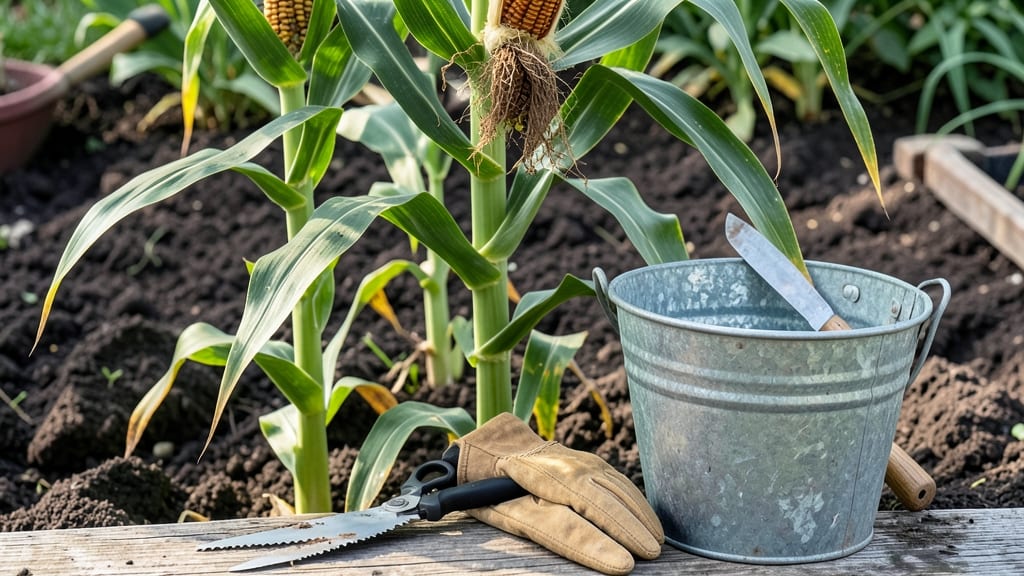
Harvesting corn at the right time means counting 20 to 25 days from silking—when those golden tassels release pollen and the silks appear—until the kernels reach that perfect creamy milk stage.
Knowing exactly when to harvest corn can mean the difference between sweet, tender kernels and tough, starchy ears—so timing your harvest perfectly is a gardener’s secret weapon.
But here’s the catch: variety, weather, and even your soil can shift that window by days. A hot summer might speed things up, while cooler temperatures or drought can stretch it out. That’s why learning to read the plant—not just the calendar—is the key to peak flavor every time.
In this guide, I’ll break down the exact stages to watch for, how to test ripeness like a pro, and the common mistakes that turn sweet corn into tough, starchy disappointment. Ready to master the harvest?

Corn harvest timeline: days from silking to perfect milk-stage
Understanding the corn harvest timeline starts with recognizing the silking stage, when those delicate threads appear. This is day zero in your countdown to perfect ears.
Most home gardeners wait 20-25 days after silking to harvest at the ideal milk-stage, but environmental factors can shift this window by days or even weeks.
The milk-stage is your sweet spot—when kernels ooze milky liquid if pierced with a fingernail. This stage guarantees peak sweetness and tenderness. Missing this window? You risk tough, starchy kernels that lack that fresh-from-the-garden flavor we all love.
Here’s the harvest timeline breakdown you need to plan ahead:
| Stage | Days After Silking | Key Visual Cues | Harvest Window |
|---|---|---|---|
| Silking | Day 0 | Tassels release pollen; silks appear | Not ready |
| Early Kernel Development | Days 7-10 | Kernels are tiny and pale | Not ready |
| Blister Stage | Days 14-16 | Kernels plump but still translucent | Not ideal |
| Milk-Stage (Optimal) | Days 20-25 | Kernels ooze milky liquid when pierced | Harvest now! |
| Dough-Stage (Overripe) | Days 26+ | Kernels turn opaque and starchy | Too late; tough texture |
Temperature plays a huge role in speeding up or slowing down this process. Warm weather (75-85°F) accelerates development, while cool nights below 60°F can delay it by 3-5 days. Humidity also matters—low humidity can cause silks to dry faster, potentially shortening your harvest window.
Pro tip: Track your first silking date for each ear. Corn plants often silk over 2-3 days, so mark the date when 50% of your plants show silks. Count 20-25 days from that midpoint for the best results.
Don’t overlook the kernel color as a secondary check. At milk-stage, kernels should be deep yellow, white, or bi-color (depending on variety) with no green streaks. If you see green, wait another 2-3 days—those kernels need more time to mature.
For early-maturing varieties like 'Early Sunglow' or 'Silver Queen', you might harvest as early as 18 days post-silking. Conversely, late varieties like 'Black Aztec' can take up to 30 days. Always check your seed packet for variety-specific guidance.
One common mistake? Harvesting based solely on plant height. Tall stalks don’t equal ripe ears—always verify the milk-stage or kernel color. And if your silks turn brown before 20 days, pollination failed, and those ears won’t develop properly.
Plan ahead by spacing out succession plantings every 2 weeks for a continuous harvest. This way, you’ll always have fresh ears at milk-stage, ready to enjoy or preserve.
How to test corn ripeness: 3 key methods for home gardeners
Harvesting corn at the perfect moment transforms your garden into a treasure trove of sweet, juicy kernels. But how do you know when those ears are ready? The milk-stage is your golden window—just 20-25 days after silking—but missing it means tough, starchy corn.
Let’s explore three foolproof methods to test ripeness, so you never guess again.
First, watch the silk color—when those silky threads turn brown and crispy, that’s your first clue. But don’t stop there! The real magic happens inside the husk. By combining these three tests, you’ll nail the harvest every time, ensuring corn that’s tender, sweet, and packed with flavor.
- 📅 Silk Test: Silks turn brown & crispy (18-22 days post-pollination)
- 💧 Kernel Milk-Stage: Squeeze kernel—creamy white liquid oozes out (20-25 days post-silking)
- 🌿 Husk Pull: Outer husk peels back easily with slight resistance (ready to harvest)
Let’s start with the silk test, the simplest way to gauge progress. When the silks emerge from the ear, they’re white and moist—a sign of active pollination. Within 18-22 days, they’ll turn brown and brittle.
This shift signals the kernels are developing fast, but it’s not your final green light. Many gardeners stop here and miss the sweet spot.
The kernel milk-stage check is where things get exciting. Peel back the husk and press a kernel between your thumb and forefinger. If a creamy white liquid (like milk) squeezes out, that’s perfection!
This stage occurs 20-25 days after silking. Wait too long, and you’ll get dry, starchy kernels. Harvest now, and you’ll have the sweetest corn of the season.
Finally, the husk pull test confirms readiness. Gently grasp the outer husk near the ear and pull downward. If it separates with slight resistance (not too loose, not too tight), your corn is ready.
This test ensures the ear isn’t overripe or underdeveloped. Combine it with the kernel check, and you’ll never second-guess your harvest again.
What if your corn feels too firm or the kernels are pale? That’s a sign it’s premature. Wait 2-3 more days and retest. Overripe corn? The husks will peel back easily, and kernels may feel mealy.
The good news? Corn harvested at the milk-stage keeps its sweetness for 2-3 days in the fridge, so don’t stress if timing is tricky.
Master these three methods, and you’ll transform your garden into a corn harvest machine. Next time, skip the guesswork and enjoy ears so sweet, they’ll make your neighbors jealous. Happy harvesting! 🌽