
How To
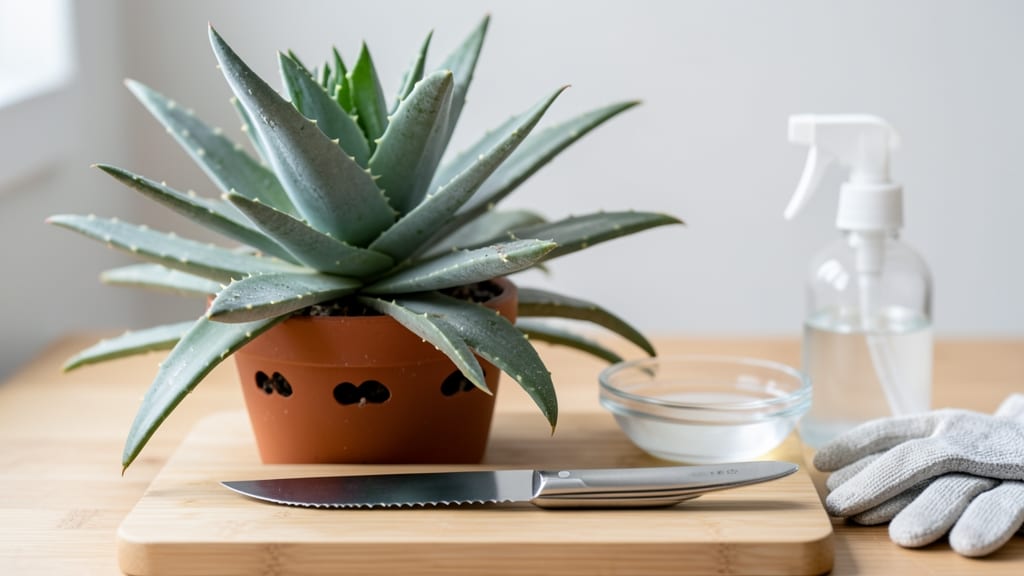
Harvesting aloe plant leaves the right way means pulling them cleanly without breaking the stem or stressing your 🌱—and timing is everything.
Picture this: you’ve waited months for those thick, plump leaves to mature, only to yank one too hard and watch it snap like a dry twig. That’s why knowing when and how to harvest makes all the difference.
In this guide, I’ll walk you through the exact steps to identify mature leaves—thick, fleshy, and at least 8 inches long—and remove them safely using just a sharp knife or your hands.
You’ll also learn how to store the gel for skincare or healing, plus how to care for your plant afterward so it keeps producing fresh leaves for years to come.

How to identify mature aloe leaves ready for harvesting
Knowing when to harvest your aloe vera leaves is key to getting the most gel without stressing the plant. Mature leaves store the highest concentration of beneficial compounds, but harvesting too early can stunt growth or even kill your plant.
The secret lies in spotting visual maturity cues that show the leaf is fully developed and ready for removal.
Start by examining the leaf size—mature aloe leaves should reach 8 to 12 inches in length. These leaves are thick, fleshy, and slightly curved, indicating they’ve had enough time to store nutrients. Younger leaves are thinner and often bend more easily, which means they’re not yet ready for harvest.
Pay attention to the leaf tips too; brown or yellowing tips on the outer leaves are a natural sign of maturity.
Leaf thickness is another critical indicator. Run your fingers along the edge of a potential candidate—if it feels firm and plump, it’s likely mature. A mature leaf will also pull away easily from the plant when gently twisted at the base, without tearing. This natural separation is a good sign you’ve found a harvest-ready leaf. If the leaf resists or feels mushy, it’s not ready yet.
The gel color inside the leaf is a telltale sign too. Cut a small section of the leaf to peek inside—mature aloe gel should be clear and translucent, almost like jelly.
If the gel looks milky or opaque, the leaf is still young and needs more time to develop. This simple test helps avoid harvesting leaves that won’t yield high-quality gel.
Now, let’s break down the key visual cues in one easy-to-reference table to help you spot mature aloe leaves at a glance.
Once you’ve identified a mature leaf, focus on the outermost leaves first. These are the oldest and have completed their growth cycle, making them the best candidates for harvest. Avoid cutting into the central rosette of leaves, as this is where new growth emerges.
Harvesting from the outside preserves the plant’s health and encourages new, younger leaves to develop in the center.
Timing your harvest is also important. The best time to harvest is in the morning, when the leaves are fully hydrated and less likely to tear. Avoid harvesting after a heavy watering session, as the soil and leaves will be too soft.
If you’re in a cooler climate (Zone 6)**, aim for late spring or early summer when the plant is actively growing. In warmer zones (9-11), you can harvest year-round.
Finally, always use a clean, sharp knife or your hands to remove the leaf. Twisting the leaf gently at the base is often the cleanest method, but if you prefer cutting, make a precise slice just above the base.
This minimizes damage to the plant and ensures a smoother recovery. After harvesting, let the leaf sit for a few minutes to allow the latex (yellow sap) to drain, as this can irritate the skin.
By mastering these visual cues, you’ll never harvest an aloe leaf too early again. Your plant will thank you with healthier growth, and you’ll always have a fresh supply of high-quality gel for skincare or remedies. Happy harvesting! 🌱
Step-by-step guide to harvesting aloe leaves without damaging the plant
Harvesting aloe vera leaves properly ensures your plant stays healthy and continues producing fresh gel. The key is to remove only mature outer leaves—never more than one-third of the plant at a time.
This method preserves the plant’s energy and encourages new growth while giving you plenty of gel for skincare or remedies. Always use clean, sharp tools to minimize stress on the plant and reduce the risk of infection.
Before you begin, gather your supplies: a sterilized knife or pruning shears, a small bowl for discarded leaves, and a pair of gardening gloves (aloe sap can irritate skin). Work in a well-lit area to clearly see the leaves and avoid accidental cuts.
Timing matters too—harvest in the morning hours when the plant’s moisture levels are highest, making the leaves easier to handle and less prone to tearing.
How to Harvest Aloe Plant Safely
- 1 Choose the right leaf: Select a thick, mature leaf (8+ inches long) with brown tips at the base. Avoid leaves with yellow or mushy spots.
- 2 Wear gloves and sanitize tools: Put on gardening gloves to protect your skin from aloe sap. Wipe your knife with rubbing alcohol to prevent bacterial contamination.
- 3 Cut at the base: Hold the leaf firmly and make a clean, angled cut (about 1 inch from the base) using a sharp knife. Avoid tearing—this can damage the plant’s growth point.
- 4 Twist gently to remove: After cutting, grasp the leaf near the base and twist it slightly while pulling outward. This detaches the leaf cleanly without leaving a stub.
- 5 Let the leaf dry: Place the harvested leaf in a cool, dark place for 10–15 minutes to allow the yellow latex (aloe sap) to dry. This makes the gel easier to extract later.
- 6 Care for the plant: After harvesting, avoid watering for 3–5 days to let the cut heal. Resume your normal watering schedule afterward, ensuring the soil is well-draining to prevent rot.
After harvesting, store the leaves in a paper bag in the fridge for up to a week if you’re not using them immediately. To extract the gel, slice the leaf open lengthwise and scrape out the translucent gel with a spoon.
For long-term storage, freeze the gel in an ice cube tray for up to 6 months. This method preserves the aloe’s soothing properties for skincare or household remedies.
Never harvest more than one-third of the leaves at once, as this can stress the plant and reduce its ability to produce new growth. If your aloe plant is young or small, limit yourself to 1–2 leaves per harvest to ensure it thrives.
With proper care, your aloe will continue growing and producing fresh leaves for years, giving you a sustainable supply of healing gel.
🌱