
How To
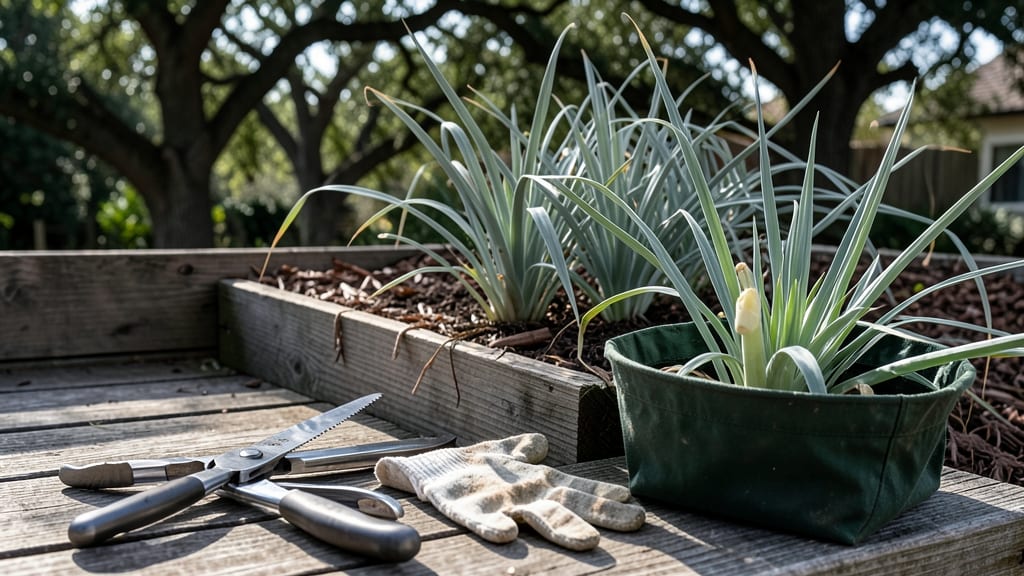
Harvesting and storing lemon grass 🌿 the right way keeps your kitchen stocked with bold, citrusy flavor all year—without sacrificing the plant’s future growth.
You’ve probably pulled a stalk only to find it’s already tough and flavorless, or worse, killed the plant by cutting too low. The secret? Timing your harvest when the stems are firm but flexible, about 12-18 inches tall, and storing them properly to lock in that bright, lemony punch.
Whether you’re prepping for a Thai curry or stocking up for winter, knowing when to cut and how to preserve it makes all the difference. Below, I’ll walk you through the best methods—from refrigeration to freezing—to keep your lemon grass fresh and ready for cooking.
Ready to turn your harvest into months of flavor? Let’s dive into the step-by-step tricks that’ll have your lemon grass thriving and your pantry well-stocked.

When and how to harvest lemon grass for maximum regrowth
Harvesting lemon grass at the right time ensures you get the most flavor while keeping your plant healthy and productive. The best time to harvest is when the stalks are 12-18 inches tall and about 1/4-inch thick, typically 3-4 months after planting.
This timing captures the plant's peak essential oil production, giving you that signature citrusy aroma and zesty flavor.
If you harvest too early, the stalks will be too thin and lack potency. Conversely, waiting too long can result in woody stalks that lose their tender, flavorful qualities.
The key is to cut just above the lower leaf nodes, leaving at least 6 inches of stem to encourage regrowth. This method also promotes a bushier plant over time.
Seasonal timing matters too. In warmer climates, you can harvest year-round, but in cooler regions, focus on spring through early fall when growth is most vigorous. Avoid harvesting in winter when the plant may slow down or go dormant.
Always use a sharp, clean knife or pruners to make clean cuts that prevent disease.
How to Harvest and Store Lemon Grass
- 1
- 2
- 3
- 4
- 5
After harvesting, your lemon grass plant will typically regrow within 4-6 weeks, especially if you maintain consistent watering and sunlight. To encourage even bushier growth, consider cutting back 2-3 stalks at a time rather than taking everything at once.
This approach mimics natural pruning and keeps your plant thriving for years.
Watch for signs of over-harvesting, such as yellowing leaves, stunted growth, or fewer new shoots. If you notice these symptoms, reduce your harvesting frequency and focus on nurturing the plant back to health with balanced fertilizer and proper care.
A healthy plant will reward you with abundant regrowth and continuous harvests.
For maximum flavor, always harvest before flowering. Once the plant bolts, the stalks become tough and less aromatic. Timing your harvests to avoid this stage ensures you always get the brightest, most flavorful lemon grass for your recipes or storage needs.
If you’re growing lemon grass in containers, the same harvesting rules apply, but be extra mindful of space. Since container-grown plants have limited room, avoid overcrowding by pruning regularly to maintain airflow and prevent disease. This is especially important in humid climates where fungal issues can arise.
Pro tip: Mark your harvesting schedule on a calendar to avoid overdoing it. A good rule of thumb is to harvest no more than one-third of the stalks at a time to keep the plant balanced.
This method ensures you always have fresh lemon grass on hand while keeping your plant happy and productive.
With the right harvesting technique, your lemon grass can provide continuous yields for years, making it a true garden workhorse. Just remember: timing, clean cuts, and leaving regrowth stubs are the secrets to success. 🌿
Best storage methods to preserve lemon grass freshness
Once you've harvested your lemon grass at peak freshness, proper storage is key to maintaining its aromatic oils and vibrant flavor. Whether you're prepping for soups, teas, or marinades, each storage method offers unique benefits depending on your timing needs and usage plans.
For short-term use (up to 2 weeks), refrigeration keeps the stalks crisp and ready for immediate culinary use. But if you're planning ahead for month-long projects, freezing or drying becomes essential. Let's explore which method works best for your gardening and cooking goals.
For whole lemon grass that you plan to use within 2 weeks, refrigeration is your simplest option. Wrap the stalks in a damp paper towel and store them in a plastic bag with a few ice cubes to extend freshness.
This method preserves the essential oils best for recipes requiring fresh flavor.
When you need to preserve lemon grass for several months, freezing becomes your best ally. Whole stalks can be frozen directly after trimming the roots, while chopped pieces work well in ice cube trays for portion control. Both methods maintain the aromatic compounds effectively for soups and stews.
Drying methods are ideal if you're preparing for long-term storage or creating concentrated extracts. Air-drying bundles in a dark, dry place intensifies the flavor, perfect for teas and broths.
Using a dehydrator at 135°F creates powdered forms that can be stored for over a year, ideal for baking and seasoning blends.
Remember, the key to lemon grass storage success lies in proper preparation and choosing the method that aligns with your usage timeline. Whether you're a home gardener or a culinary enthusiast, these techniques ensure you'll always have fresh, flavorful lemon grass at your fingertips.