
How To
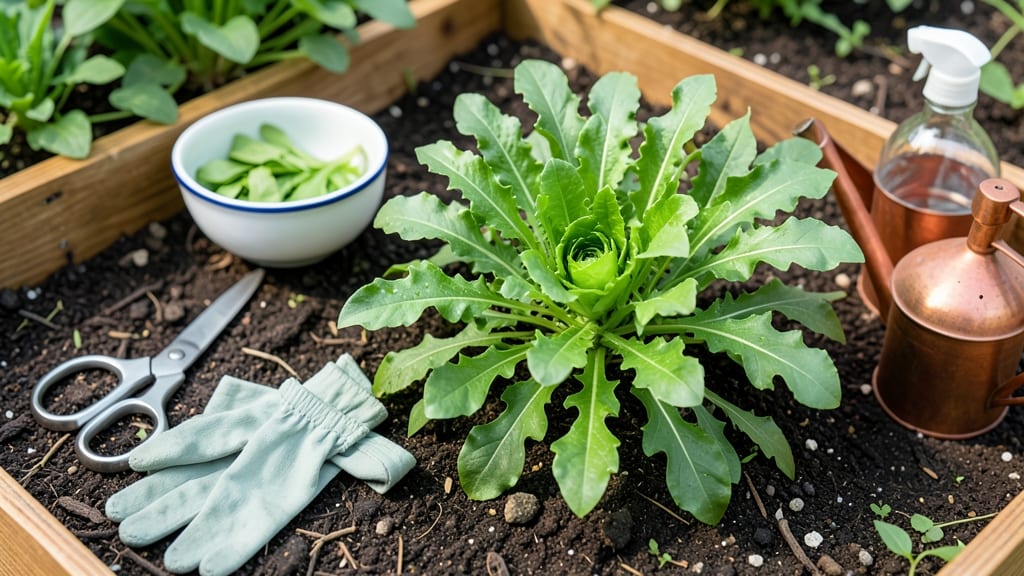
Harvesting arugula so it keeps growing means trimming outer leaves correctly to avoid stressing the plant—never cutting stems or overharvesting.
That peppery bite you love? It fades fast if you’re too aggressive, and before you know it, your 🌱 arugula bolts into bitter flowers. But with the right technique, you can enjoy fresh leaves for weeks—even months—without sacrificing future harvests.
Timing matters: wait until leaves reach 2-3 inches and always leave the inner leaves intact. This simple method keeps your plants lush, productive, and ready for your next salad.
Below, I’ll walk you through the exact steps, common mistakes to avoid, and how to extend your harvest season—so you never run out of this nutrient-packed green again.

The correct way to harvest arugula for continuous growth
Arugula is one of the fastest-growing greens in your garden, but its quick bolting habit can turn a bountiful harvest into a one-time feast. The key to continuous arugula growth lies in proper leaf trimming—never cutting stems—and understanding the ideal harvest timing.
When done right, you’ll enjoy fresh, peppery leaves for weeks instead of days, even in small garden beds or containers.
Most gardeners make the mistake of cutting entire stems or harvesting too aggressively, which stresses the plant and triggers bolting. Instead, we’ll focus on selective leaf removal that encourages regrowth while keeping your arugula productive and healthy.
This method works for both container-grown and in-ground plants, making it perfect for urban gardeners or those with limited space.
Why this technique works: Arugula regrows from its base leaves, so preserving the growth point is critical. By harvesting outer leaves first, you allow the inner leaves to mature while maintaining the plant’s energy reserves. This approach also prevents bolting—the enemy of continuous harvests—by avoiding stress signals that trigger flowering.
Step-by-Step Arugula Harvesting Guide
-
Step 1: Wait for the Right Leaf Size
Harvest when outer leaves reach 2-3 inches long but still feel tender. Use your fingers to gently pinch off leaves at the base—never cut with scissors.
-
Step 2: Harvest Outer Leaves First
Always remove larger, outer leaves to protect the inner growth point. Leave at least 4-6 smaller leaves on the plant to keep photosynthesis active.
-
Step 3: Never Cut More Than 1/3 of the Plant
Over-harvesting weakens arugula and causes bolting within 3-5 days. If you remove too much, the plant will stop producing new leaves and focus on flowering.
-
Step 4: Use Clean, Sharp Tools (If Needed)
For stubborn leaves, use bypass pruners (not scissors) to avoid crushing stems. Sanitize tools with rubbing alcohol between plants to prevent disease.
-
Step 5: Harvest in the Morning
Pick leaves early in the day when they’re crisp and hydrated. Avoid harvesting after hot afternoons or before frost, as both stress the plant.
-
Step 6: Post-Harvest Care
After harvesting, water deeply to replenish moisture and add compost around the base. This supports rapid regrowth and prevents nutrient deficiency.
Timing your harvests is just as important as how you harvest. Arugula bolts (goes to seed) when it senses heat or stress, so spring and fall are the best seasons for long-term harvesting.
In summer, your plants may bolt faster—plan to succession plant every 2-3 weeks to maintain a supply. Even in cooler months, avoid harvesting more than 20% of the plant at once to keep it thriving.
One common misconception is that you need to cut stems to encourage bushier growth. This is false for arugula—cutting stems removes the plant’s energy source and triggers bolting within days.
Instead, focus on leaf-by-leaf removal. Think of your arugula like a haircut: you’d never shave your head bald to grow more hair, right? The same logic applies here.
For container-grown arugula, the principles are identical, but you’ll need to monitor root health more closely. Since containers dry out faster, water immediately after harvesting to prevent root exposure.
If your arugula starts looking leggy or sparse, it’s a sign you’re harvesting too much or the plant needs more light. Move it to a sunnier spot (but avoid direct afternoon sun in hot climates) and reduce harvest frequency for a week.
After mastering the trim-and-grow technique, you’ll notice your arugula plants regrow faster and stay productive for 6-8 weeks in ideal conditions. The secret? Balance: remove enough leaves for harvests, but leave enough to fuel regrowth.
With this method, you’ll enjoy fresh arugula salads all season long without the disappointment of a single, bitter harvest followed by bolting.
Ready to put this into practice? Start with one plant and experiment with harvest timing. Keep a small notebook to track when you harvest and how quickly the plant regrows—you’ll quickly learn the perfect rhythm for your climate and growing conditions. Happy harvesting! 🌱✂️
Arugula harvesting mistakes that kill future growth
Arugula is one of the fastest-growing greens in your garden, but it can bolt just as quickly if you don't harvest it correctly. The biggest mistake gardeners make is treating arugula like other leafy greens by cutting stems too short or harvesting too aggressively.
When you remove too much foliage at once, the plant struggles to recover, leading to stunted growth or even death. Even worse, improper harvesting accelerates bolting—the process where arugula sends up bitter flower stalks and becomes inedible.
Another common error is ignoring the plant's signals. Arugula sends clear cues when it's ready for harvest, but many gardeners either harvest too early or wait too long. Harvesting too early stresses the plant, while waiting too long forces it to bolt.
Additionally, cutting leaves too close to the base removes the plant's energy source, leaving it vulnerable to pests and diseases. These mistakes might seem small, but they add up to a much shorter harvest season.
⚠️ Stop Doing This! How to Harvest Arugula So It Keeps Growing
- Never cut stems below 1 inch—this removes the plant's energy source and stunts regrowth.
- Avoid harvesting more than 1/3 of the plant at once—this prevents overstressing the roots.
- Don't harvest when leaves are small or pale—wait until they're 2-3 inches long and dark green.
- Skip harvesting in extreme heat—stress from heat + harvesting = bolting.
Pro Tip: Use clean, sharp scissors or pruners to make clean cuts and reduce damage.
One of the most damaging mistakes is harvesting arugula during heatwaves. When temperatures rise above 75°F (24°C), arugula bolts rapidly, even if you've been harvesting correctly. The plant redirects its energy toward seed production instead of leaf growth.
If you notice flower buds forming, it's already too late to save that batch, but you can prevent future bolting by harvesting earlier in the season or providing afternoon shade with a 30% shade cloth.
Another overlooked issue is inconsistent watering after harvesting. Arugula needs consistent moisture to recover, especially after you've trimmed it. Let the soil dry out even slightly, and the plant will struggle to regrow leaves.
Always water in the morning to give leaves time to dry before evening, reducing fungal risks. Mulch around the base with straw to retain moisture and keep roots cool.
Even experienced gardeners sometimes overlook the importance of fertilizing after harvest. Arugula is a heavy feeder, and each harvest depletes its nutrients. After trimming, apply a high-nitrogen fertilizer (like 5-10-10) to encourage leaf regrowth.
Avoid over-fertilizing, though—too much nitrogen can lead to soft, vulnerable leaves that attract pests. A light feeding every 4-6 weeks keeps your arugula thriving without overloading the soil.
Finally, don't ignore the plant's growth signals. If your arugula starts looking leggy or sparse after harvesting, it's begging for more light or nutrients. Move it to a sunnier spot (but avoid direct afternoon sun in hot climates) or add compost to the soil.
Pay attention to these cues, and your arugula will reward you with weeks of continuous harvests instead of a single, bitter crop. 🌱