
How To
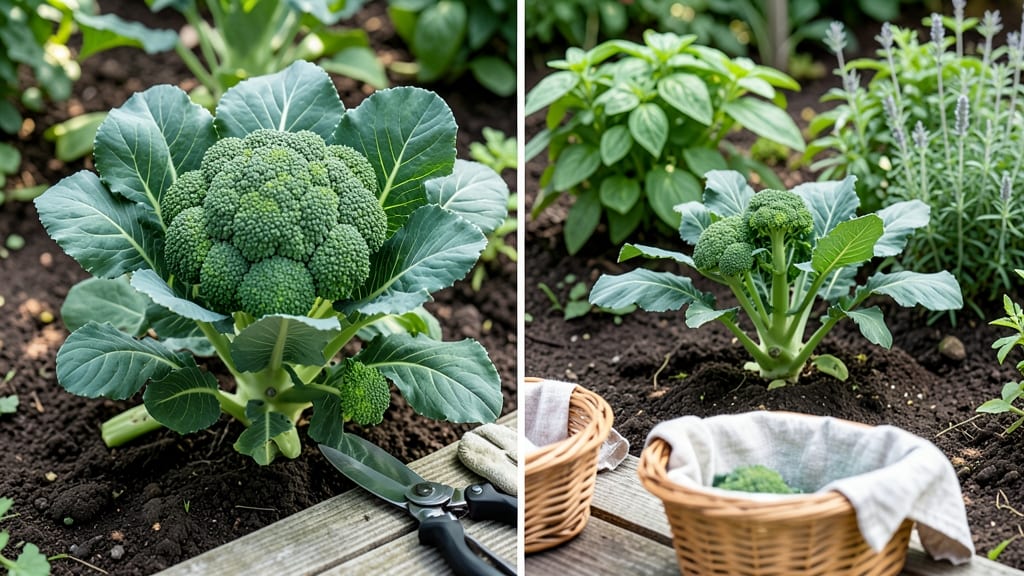
Harvesting broccoli at the right time means the difference between tender, sweet florets and bitter, woody crowns 🥦 — and here’s exactly how to do it without wasting a single head.
There’s nothing quite like biting into a fresh, homegrown broccoli crown—but timing your harvest wrong can leave you with bitter, tough florets. The key? Picking when the heads are firm, compact, and deep green, before those tiny yellow buds even think about blooming.
You don’t need fancy tools to get it right: a sharp knife or pruners and a steady hand are all you’ll need. But the real secret to a bountiful harvest lies in knowing when to cut—and how to coax your broccoli into producing side shoots for weeks of fresh picks.
Below, I’ll walk you through the three foolproof signs your broccoli is ready, the best way to cut it (so your plant keeps growing), and how to turn one harvest into three—no green thumb required.

3 Unmistakable signs your broccoli crowns are harvest-ready
Picking broccoli at the perfect moment transforms your garden into a flavor factory—crisp, tender florets packed with nutrients. But wait too long, and those tight buds turn bitter and woody. The key lies in reading your plant's visual cues before the buds even think about blooming.
I’ve harvested dozens of broccoli plants over the years, and these three signs never fail me.
First, let’s talk about floret size. The ideal broccoli head should measure between 4 to 6 inches in diameter. Think of it as the size of a golf ball or softball—big enough to be useful in the kitchen but not so large it’s past its prime.
Smaller heads (under 3 inches) are still edible but often lack the robust flavor and texture you’re after. Overlooking this can mean sacrificing both quantity and quality in your harvest.
Next, pay close attention to the color and texture of the florets. Ready-to-harvest broccoli crowns boast a deep, vibrant green hue that’s uniform across the head. If you spot yellowing or brown florets, that’s your plant’s way of saying, “I’ve been waiting too long!”
These color shifts signal the plant is shifting energy toward seed production, which is when bitterness creeps in. A firm, crisp touch to the florets is another telltale sign—squeeze gently, and they should resist slightly, like a well-set jelly.
Finally, the bud tightness is the ultimate litmus test. The buds should remain closed and compact, with no visible yellow flowers peeking through. If you see even a hint of tiny yellow blooms (those little 🌸 emojis), it’s harvest time or you’ll miss the boat.
Pro tip: Check your plants every 2-3 days once they near maturity—broccoli can go from perfect to past-prime surprisingly fast.
🌱 How to Spot Harvest-Ready Broccoli
- 1. Size Matters: Heads should be 4-6 inches wide (like a softball). Smaller = underdeveloped; larger = overripe.
- 2. Color Check: Uniform deep green florets. Avoid yellowing or brown spots—those mean it’s too late!
- 3. Bud Tightness: Buds must stay closed and compact. Even a single yellow bloom signals it’s time to harvest.
- 4. Stem Strength: Thick, sturdy stalks support the head. Weak stems = poor flavor and potential rot.
- 5. Texture Test: Florets should feel firm to the touch. If they’re soft or spongy, they’ve peaked.
One of the biggest mistakes I see gardeners make is harvesting at the wrong time of day. Early morning is prime for picking broccoli because the heads are fully hydrated and cool, which preserves their crispness.
If you harvest in the heat of the afternoon, the florets can wilt quickly, losing that snap we all love. Plus, cutting in the morning gives you time to enjoy (or store) your harvest before the day’s end.
Another pro tip: Don’t ignore side shoots. Once you harvest the main head, smaller shoots will form along the stem. These are just as delicious and can be harvested the same way—just watch for those same 4-6 inch size cues and tight bud signs.
I’ve had plants produce three harvests in a single season by keeping an eye on these side shoots!
If you’re growing broccoli in containers or cooler climates, timing becomes even more critical. Cooler weather can slow growth, so monitor your plants closely.
A simple trick I use is to mark the harvest window on my calendar once the main head reaches 3 inches—this keeps me from missing the sweet spot.
And remember, broccoli is a cool-season crop, so if your area gets hot summers, focus on a fall harvest for the best results.
Finally, let’s talk about what happens if you miss the window. Overripe broccoli develops a tough, fibrous texture and a bitter taste that’s hard to mask.
The florets may also start to yellow and open into flowers, which is the plant’s way of saying, “I’m done producing food for you!” In some cases, you can still eat these, but they’re best used in cooked dishes where bitterness is less noticeable.
To avoid this, set a reminder or check your plants daily once they near maturity.
Harvesting broccoli at the right moment is all about paying attention to these three key signs: size, color, and bud tightness. When you master these cues, you’ll enjoy a steady supply of homegrown broccoli that’s sweeter, crisper, and far more rewarding than store-bought.
Now grab those pruners and get ready to taste the difference!
Step-by-step broccoli cutting technique for maximum yield
Harvesting broccoli the right way isn’t just about cutting the crown—it’s about preserving your plant’s ability to produce secondary shoots for weeks of harvests. A clean, precise cut at the right angle encourages regrowth while preventing disease.
I’ve learned that even a 1-inch miscut can stall your plant’s recovery, so let’s master this technique together.
Before you grab your shears, gather these essential tools: a sharp pruning shears (sterilized with rubbing alcohol), a clean knife for larger stems, and a bucket of water to keep harvested crowns fresh.
Avoid dull tools—they crush stems and invite rot. I always sanitize my tools between plants to prevent cross-contamination.
How to Harvest Broccoli: Step-by-Step
-
Step 1: Identify the Cutting Point
Locate the main stem where the crown meets the plant. This is typically 1-2 inches below the base of the floret. -
Step 2: Angle Your Cut
Hold your shears or knife at a 45-degree angle to create a sloped cut. This allows water to run off and prevents rot. -
Step 3: Make the Cut
Snip cleanly through the stem without crushing it. Avoid tearing—this damages the plant’s vascular system and slows regrowth. -
Step 4: Remove Lower Leaves
Strip away 2-3 inches of lower leaves to expose the stem. This encourages side shoots to form and improves air circulation. -
Step 5: Fertilize Lightly
After cutting, apply a balanced fertilizer (5-10-10) around the base. This jumpstarts regrowth for secondary harvests.
Never cut too close to the base—leaving at least 6 inches of stem ensures the plant can regenerate. I once made the mistake of cutting too low, and my broccoli plant never produced side shoots.
Now, I mark the ideal cutting line with a white string tied around the stem for reference.
After harvesting, store your broccoli crowns in the fridge for up to 5 days by wrapping them in a damp paper towel. For longer storage, blanch and freeze them.
The stems you cut off? Don’t toss them! Chop them into 1-inch pieces and use them in stir-fries or soups—they’re packed with flavor.
With this technique, your broccoli plant can produce 2-3 more harvests from side shoots. Just keep an eye out for new buds forming along the stem—these are your future meals! The key is patience and precision. Happy harvesting! 🥦