
How To
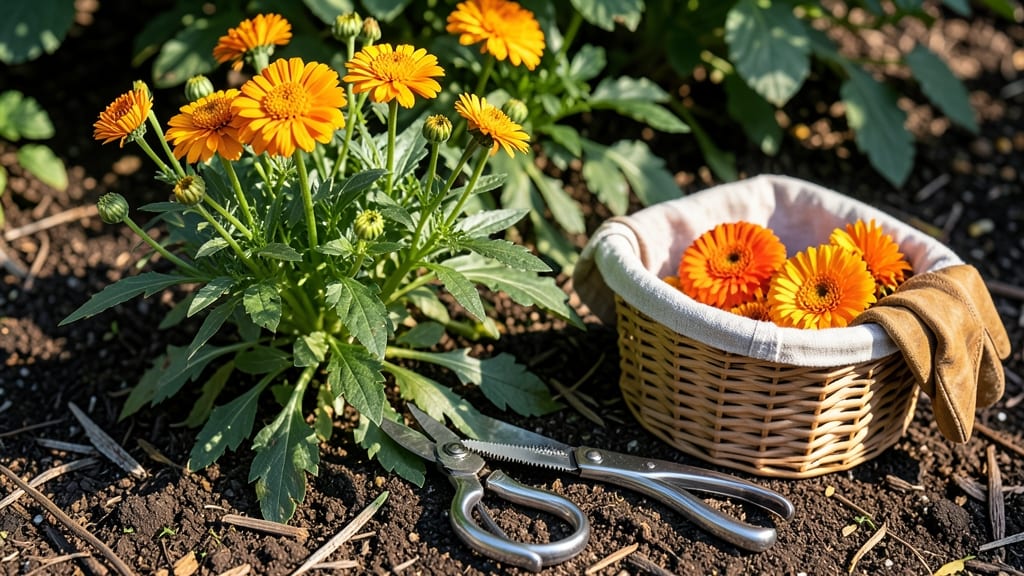
Harvesting calendula at the right time means capturing its peak potency—whether for salves, teas, or fresh petals—before the blooms fade.
Picture this: you’ve nurtured your 🌼 plants all season, and now the flowers are bursting with color. But wait—harvest too early, and the petals won’t have developed their full medicinal properties. Too late, and they’ll turn brown and bitter. The key? Timing it perfectly with just three visual cues.
Most gardeners miss the best window because they don’t know what to look for. A fully open bloom with vibrant petals and a greenish-yellow center is your signal.
Cutting at this stage ensures the highest concentration of beneficial compounds, whether you’re drying them for remedies or using them fresh in cooking.
In this guide, I’ll walk you through the exact step-by-step technique—from when to snip (morning is best) to how to preserve your harvest for maximum shelf life. By the end, you’ll know how to turn your garden’s bounty into everything from healing salves to edible garnishes.

3 Visual cues to harvest calendula at peak freshness
Harvesting calendula at the right moment transforms your garden bounty from good to extraordinary. The difference between peak potency and wasted petals often comes down to three simple visual cues most gardeners overlook.
I’ve learned the hard way—skipping these signs means duller colors, weaker medicinal properties, and petals that crumble instead of staying vibrant.
When you master these cues, you’ll consistently harvest calendula with bright orange-yellow petals that dry beautifully or infuse oils with maximum therapeutic benefits. The key is timing: too early, and the petals lack full flavor; too late, and they lose their healing compounds.
Let’s dive into the exact visual signals to watch for.
🌼 Harvest Calendula at Peak Freshness
-
1. Fully Open Petals
Petals should be completely flat and fully unfurled like a sunburst. Check for no curled edges—this means the flower is ready. 🌸 -
2. Vibrant Color Saturation
The center should transition from greenish-yellow to deep golden-yellow. If it’s still mostly green, wait 1-2 days. 🟡 -
3. Firm, Sturdy Stem
Gently pinch the stem near the base. It should feel thick and crisp, not hollow or mushy. A firm stem ensures easy drying. 🌿
⚠️ Avoid These Mistakes:
- Harvesting closed buds (petals won’t fully develop)
- Picking wilted or browned flowers (loses potency)
- Cutting too close to the base (damages regrowth)
One common mistake I see is harvesting calendula when the petals start browning at the edges. This is a clear sign the flower has passed its prime.
The ideal window is just before the edges turn brown—typically in the late morning when dew has dried but before the afternoon heat stresses the plant. I’ve found that harvesting between 9 AM and 11 AM gives me the freshest petals.
Another pro tip: Look at the flower’s center. If it’s still predominantly green, the petals haven’t reached their full flavor and color intensity. Wait until you see that signature golden-yellow hue emerging.
This transition signals the peak of the flower’s life cycle, where its anti-inflammatory compounds are at their highest concentration. For medicinal uses, this timing is crucial.
Don’t overlook the stem’s condition either. A soft or hollow stem indicates the flower is overripe and may crumble when dried. Always test by gently squeezing the stem—it should spring back rather than dent.
I’ve had to discard entire batches of calendula because I ignored this simple check, so now I make it a habit to inspect stems before harvesting.
For maximum yield, focus on harvesting the outermost flowers first. This encourages the plant to produce more blooms from the center. I’ve seen calendula plants double their production when I follow this method consistently.
Just avoid cutting more than one-third of the blooms at once to prevent stressing the plant.
If you’re growing calendula for culinary uses, like infusing oils or making teas, harvest the petals when they’re fully open but before they fully fade. The brightest colors and most robust flavors come from petals that are at this perfect stage.
For example, a calendula-infused oil made from properly timed petals will have a richer, more golden hue and a more pronounced earthy taste.
Remember, the best time of day to harvest is early morning after the dew has evaporated. This ensures the petals are dry and crisp, making them ideal for drying or immediate use.
I’ve noticed that harvesting in the cool morning hours preserves the petals’ integrity better than harvesting in the heat of the afternoon.
By paying attention to these three visual cues, you’ll consistently harvest calendula at its peak. The difference in quality between a well-timed harvest and a missed one is night and day.
Once you master this, your calendula will reward you with vibrant petals that shine in everything from homemade remedies to garden arrangements. 🌼
Step-by-step harvesting technique for maximum yield
Harvesting calendula at the right moment ensures you get the brightest petals and highest potency. The best time to harvest is early morning when the petals are fully open but still vibrant and firm. This timing prevents wilting and preserves the medicinal compounds that make calendula so valuable.
Before you begin, gather your tools: a pair of sharp pruning shears or clean scissors, a bucket of water, and a drying tray if you plan to preserve the petals.
Avoid using dull tools, as they can crush stems and damage the plant. Work gently to encourage more blooms throughout the season.
-
Step 1: Choose the Right BloomsLook for flowers with fully open petals and a greenish-yellow center. Avoid blooms that are wilting or turning brown.
-
Step 2: Harvest at the BaseCut the stem 1-2 inches below the flower head at a 45-degree angle. This encourages new growth and prevents disease.
-
Step 3: Handle with CareGently remove petals from the stem and place them in a single layer on a drying tray. Avoid overlapping to ensure even drying.
-
Step 4: Preserve ImmediatelyIf using fresh, store petals in the fridge for up to 5 days. For drying, hang stems upside down in a dark, dry place for 1-2 weeks.
-
Step 5: Maintain Plant HealthAfter harvesting, remove any spent blooms to redirect the plant’s energy to new growth. Water lightly in the evening to support recovery.
After harvesting, store fresh petals in a paper bag in the fridge to maintain crispness. For long-term storage, dry the petals completely before storing them in an airtight container away from light. Proper storage ensures your calendula retains its color and medicinal properties for months.
Harvesting calendula regularly encourages your plant to produce more blooms throughout the season. Aim to harvest every 2-3 days during peak blooming months to maximize your yield. With the right technique, you’ll enjoy a steady supply of vibrant petals for culinary, medicinal, or decorative uses.
Remember, the key to a successful harvest is patience and precision. By following these steps, you’ll ensure your calendula stays healthy and productive all season long. Happy harvesting! 🌼