
How To
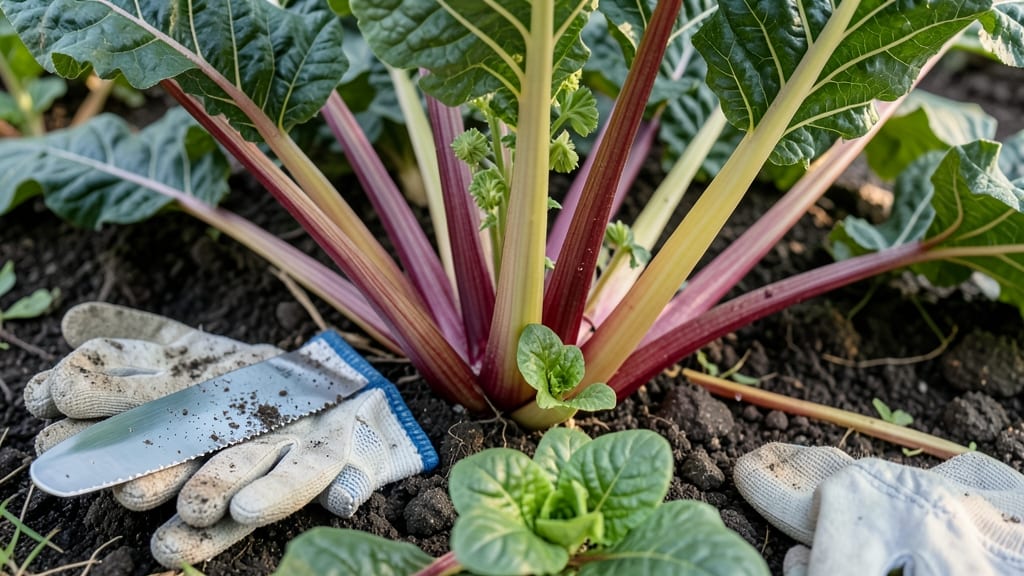
To harvest Swiss Chard 🥬 so it keeps growing, focus on cutting outer leaves just above the base—never more than one-third at a time.
Swiss chard thrives when harvested correctly—but cutting too much at once can stunt growth. Master the leaf-by-leaf method to enjoy a continuous harvest all season long, without sacrificing your plant's productivity.
This method preserves the plant’s energy, letting it regrow leaves faster than if you yanked entire stalks. The key? Timing and technique—cutting at the right spot and avoiding overharvesting keeps your chard producing for months.
Below, I’ll walk you through the exact steps, common mistakes to avoid, and pro tips to maximize your harvest. By the end, you’ll have a thriving chard patch that keeps giving all summer long.

Leaf-by-leaf harvesting technique for continuous Swiss chard growth
Swiss chard is one of those magical vegetables that rewards patience with continuous harvests—but only if you follow the right technique. Unlike cut-and-come-again greens like lettuce, chard thrives when you selectively harvest outer leaves while leaving the inner growth intact.
This method ensures your plant keeps producing tender, flavorful leaves for months, not weeks.
The key lies in understanding leaf maturity and regrowth triggers. Chard leaves grow in a spiral pattern, with older leaves on the outside and younger ones at the center. By targeting the outermost, largest leaves, you encourage the plant to focus energy on replenishing what you've removed.
Think of it like trimming a bush—you never cut into the main stem, just the peripheral growth.
Timing is everything. Harvest when leaves reach 6–8 inches long, as this is when they're at their peak flavor and texture. Cutting too early means sacrificing yield, while waiting too long can lead to bitter, tough leaves.
And always use a sharp pair of scissors or pruners to make clean cuts—never tear leaves by hand, as this damages the plant.
How to Harvest Chard for Continuous Growth
- 1 Wait for maturity: Harvest only when outer leaves reach 6–8 inches. Smaller leaves (<4 inches) aren't ready and will stunt regrowth.
- 2 Choose the right leaves: Select 2–3 largest outer leaves per plant. Avoid cutting leaves from the center, as this harms the growing point.
- 3 Cut cleanly: Use sharp scissors to snip leaves 1–2 inches above the base. Never cut into the main stem or smaller inner leaves.
- 4 Leave 3–4 inner leaves: Always retain at least half the plant's foliage to maintain photosynthesis and energy for regrowth.
- 5 Harvest every 2–3 weeks: For continuous growth, pick leaves every 2–3 weeks during peak season (spring-fall). Reduce frequency in winter or drought.
- 6 Post-harvest care: After cutting, water the plant deeply and apply a balanced fertilizer (5-10-10) to replenish nutrients lost during harvest.
Seasonal adjustments are crucial for maintaining year-round productivity. In spring and fall, when temperatures are mild, chard grows aggressively, and you can harvest every 2–3 weeks.
But during hot summers, growth slows, and leaves may develop a bitter taste. This is your cue to harvest less frequently and provide afternoon shade if possible.
Winter harvesting requires extra caution. Chard is cold-hardy but slows down in freezing temperatures. If your plant is still active (leaves are green and crisp), harvest only the largest leaves every 4–6 weeks.
Avoid cutting into woody stems, as this signals the plant to focus on survival rather than regrowth. Mulch heavily around the base to insulate roots and protect against frost.
One of the biggest mistakes gardeners make is over-harvesting—especially in the early stages. Young chard plants (under 6 weeks old) are delicate and can't recover from aggressive cutting.
Wait until your plant has 6–8 mature leaves before starting regular harvests. Even then, limit yourself to 1–2 leaves per plant until the plant is well-established.
Proper post-harvest care is just as important as the cutting technique itself. After each harvest, water your chard deeply to replenish moisture lost through the leaves. A light application of compost tea or fish emulsion can also give your plant a quick nutrient boost.
I like to fertilize right after harvesting in spring and summer, but skip it in fall and winter when growth naturally slows.
With this leaf-by-leaf approach, you'll enjoy continuous harvests for months, even from a single plant. My Bright Lights chard (with its stunning rainbow stems) has provided me with fresh greens from late spring through early frost—all thanks to this simple but effective technique.
The secret isn't just in what you cut, but in what you leave behind.
Common harvesting mistakes that stop chard from regrowing
Even the most patient gardeners can accidentally sabotage their Swiss chard regrowth with simple harvesting mistakes. One of the biggest errors is cutting stems too close to the base—this removes the plant's energy source and stunts future growth.
Always leave 1-2 inches of stem attached to the plant when harvesting leaves.
Another common pitfall is harvesting too many leaves at once, especially from young plants. When you remove more than one-third of the foliage in a single session, your chard struggles to recover. Instead, focus on selective leaf removal to maintain the plant's ability to photosynthesize and regenerate.
🌱
⚠️ Avoid These Harvesting Mistakes
- Cutting stems too short – Always leave 1-2 inches of stem to prevent stunting.
- Harvesting young plants aggressively – Wait until leaves reach 6-8 inches before cutting.
- Ignoring seasonal slowdowns – Reduce harvesting in hot summers or winter dormancy.
- Using dull tools – Jagged cuts stress plants; use sharp scissors or pruners.
These errors force your chard to divert energy to recovery instead of producing new growth.
Many gardeners also overlook seasonal slowdowns that signal when to pause harvesting. In late summer, chard often enters a dormant phase due to heat stress. Look for yellowing leaves or stunted growth—these are cues to reduce harvesting until cooler weather returns.
One visual cue I always watch for is stem thickness. If the stems feel woody or thickened, your plant is under stress from over-harvesting. Healthy stems should remain tender and bright green. When in doubt, harvest fewer leaves and give your chard time to recover.
Finally, never harvest leaves that are smaller than 4 inches—these are critical for the plant's survival. Prioritize the outer, mature leaves first, as they've already completed their growth cycle and won't hinder new leaf production.
By avoiding these mistakes and paying attention to your chard's visual cues, you'll enjoy continuous harvests all season long without sacrificing plant health. The key is patience and observation—your chard will reward you with steady regrowth if you give it the right conditions. ✂️