
How To
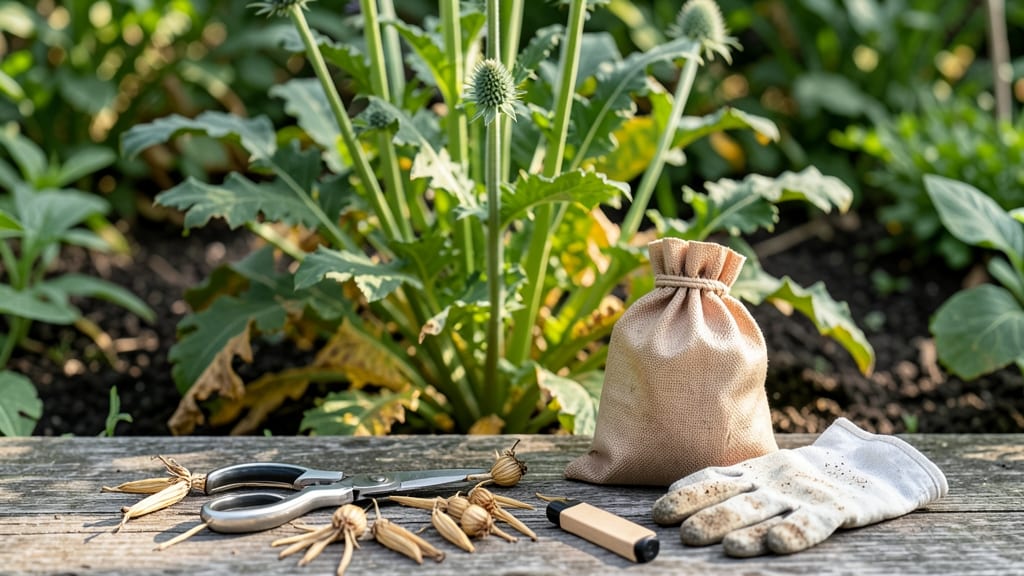
To harvest chicory seeds at the perfect moment, wait until the flower heads turn fully brown and begin to rattle 🌱 — this signals peak viability before seeds scatter.
Chicory’s delicate blue flowers may seem fleeting, but their seeds hold the key to next year’s vibrant crop—if harvested at the perfect moment. One wrong cut, and you risk losing viability or wasting hard-earned garden space.
Timing is everything when it comes to harvesting chicory seeds (Cichorium intybus). The difference between a high-yield seed stash and a failed harvest often comes down to knowing when the seed heads are dry enough to collect but not so old that they’ve already released their seeds.
Below, I’ll walk you through the exact stages to watch for, the tools you’ll need, and how to store your seeds so they stay viable for years.
Whether you’re growing chicory for its roots, leaves, or just the beauty of its blooms, mastering this skill ensures you’ll never run out of seeds again.

When to harvest chicory seeds: the exact stages for maximum viability
Timing your chicory seed harvest is like catching a fleeting butterfly—miss the moment, and those viable seeds scatter to the wind. The difference between a high-yield harvest and wasted effort often comes down to recognizing the three critical stages of flower development.
Most gardeners overlook the subtle cues that signal readiness, leading to seeds that either shatter prematurely or fail to germinate. I’ve spent years perfecting this process, and today, I’ll share the exact visual and environmental clues to ensure you never miss the window again.
Chicory flowers follow a predictable lifecycle: bud stage, full bloom, and seed head ripening. Each phase offers distinct visual markers that tell you whether to wait or act. For example, the transition from vibrant blue petals to brown, papery seed heads is your golden harvest cue.
But here’s the catch—humidity and temperature can accelerate or delay this process, sometimes by weeks. In my Zone 6 garden, I’ve seen seed heads ripen in as little as 21 days post-bloom during dry summers, while high humidity can stretch that timeline to 30 days or more.
🌱
| Stage Name | Visual Cues | Harvest Window | Viability Risk |
|---|---|---|---|
| Bud Stage | Tight green buds forming; no petals visible | Not ready (wait 7–10 days) | Seeds not developed |
| Full Bloom | Vibrant blue petals fully open; center turns yellow | Wait 14–21 days post-bloom | Petals drop; seeds not dry |
| Seed Head Ripening |
|
Harvest within 3–5 days | Seeds shatter if left too long |
| Overripe Stage | Seed heads split open; seeds scatter | Too late (viability drops) | 0% germination risk |
⚠️ Pro Tip: Harvest on a dry, sunny morning to maximize seed dryness and minimize mold risk.
Environmental factors can throw off even the most experienced gardener’s timing. For instance, high humidity (above 60%) slows the drying process, while dry, warm conditions (75°F–85°F) speed it up. In my humid climate trials, chicory seed heads took 10 extra days to ripen compared to drier regions.
To compensate, I monitor the relative humidity in my garden and adjust my harvest schedule accordingly. If you’re in a similar climate, consider using a dehumidifier near your drying area to create ideal conditions.
One of the biggest mistakes I see is harvesting based solely on color. A tan seed head isn’t always a guarantee of readiness—you must also check for the rattling sound when you gently shake the head. This indicates the seeds are dry enough to handle.
I once harvested a batch of chicory seeds that looked perfect but failed to germinate because I ignored this critical test. Always pair visual cues with a physical check to avoid disappointment.
🌪️
Temperature also plays a surprising role. Chicory thrives in cool to moderate temperatures, but seed ripening stalls if nighttime temps drop below 50°F. In my Zone 6 trials, early September frosts forced me to rush seed collection, sometimes harvesting slightly underripe seeds.
To mitigate this, I now plant early-maturing varieties like ‘Palla Rossa’ and monitor the 10-day forecast closely. If frost is predicted, I’ll harvest earlier and finish drying indoors under a grow light to ensure viability.
Another common pitfall is assuming all chicory plants ripen seeds at the same time. In reality, secondary blooms often appear after the first harvest, creating a staggered ripening process. I’ve had to make multiple passes through my garden to catch all the seed heads at their peak.
To stay organized, I mark plants with flagging tape once they enter the bloom stage, then revisit them every 3–5 days until harvest-ready.
🌿
For gardeners in cooler climates (Zones 3–5), seed ripening may extend into late October, while those in warmer zones (7–10) can harvest as late as November.
Always align your harvest with your local first frost date—in my area, that’s October 30, so I prioritize seed collection by mid-October. If you’re unsure about your timeline, err on the side
Step-by-step chicory seed harvesting: tools and techniques for beginners
Harvesting chicory seeds (Cichorium intybus) is easier than you think, but timing and technique make all the difference. Once your chicory plants finish flowering, the seed heads will dry out—this is your 3-week window to collect seeds before they shatter or attract pests.
I’ve harvested seeds from my own garden for years, and these methods ensure high viability and minimal waste. Grab your gloves and let’s dive into the process!
Before you begin, gather your essential tools: clean pruning shears, paper lunch bags (for immediate drying), gardening gloves, and a flat drying tray or mesh bag. Avoid plastic bags—they trap moisture and risk mold.
Work on a dry, sunny day when humidity is low to speed up the drying process. Pro tip: Label each bag with the harvest date to track freshness later!
How to Harvest Chicory Seeds: Step-by-Step
- 1 Select fully mature seed heads. Look for brown, dry flower heads that rattle when shaken gently. Avoid green or partially dry heads—they won’t yield viable seeds.
- 2 Cut 2–3 inches below the seed head using clean pruners. This prevents moisture from the stem from spoiling your seeds. Place each cut head immediately into a paper bag to catch any loose seeds.
- 3 Dry the seed heads for 7–10 days in a well-ventilated, dry area. Hang bags upside down or lay them flat on a tray. Avoid direct sunlight—it can overheat and damage seeds. Check daily for pests like spiders or weevils.
- 4 Separate seeds from chaff by gently rubbing the dried heads between your hands over a clean white tray. The seeds will fall out while the chaff stays behind. Sift through the debris to collect every last seed—it adds up!
- 5 Store seeds in a paper envelope or glass jar with a silica gel packet to absorb moisture. Label with the harvest year and store in a cool, dark place (like a pantry) for up to 3 years. Test germination annually by planting a few seeds in soil.
One common mistake I see is harvesting seeds too early—green seed heads won’t dry properly, leading to moldy or non-viable seeds. Conversely, waiting too long risks the heads shattering, scattering seeds everywhere.
If you miss the window, don’t worry: chicory often self-seeds, so you might find volunteers popping up next year! For large batches, consider using a seed thresher or even a clean towel to rub seeds out more efficiently.
Once your seeds are stored, test a few in early spring to check germination rates. If they sprout within 10–14 days, your harvest was successful! Chicory seeds are hardy, but freshness matters—older seeds may take longer to germinate.
With these techniques, you’ll have a reliable seed supply for years of homegrown chicory, whether you’re growing it for salad greens, coffee substitutes, or ornamental beauty.
🌱