
How To
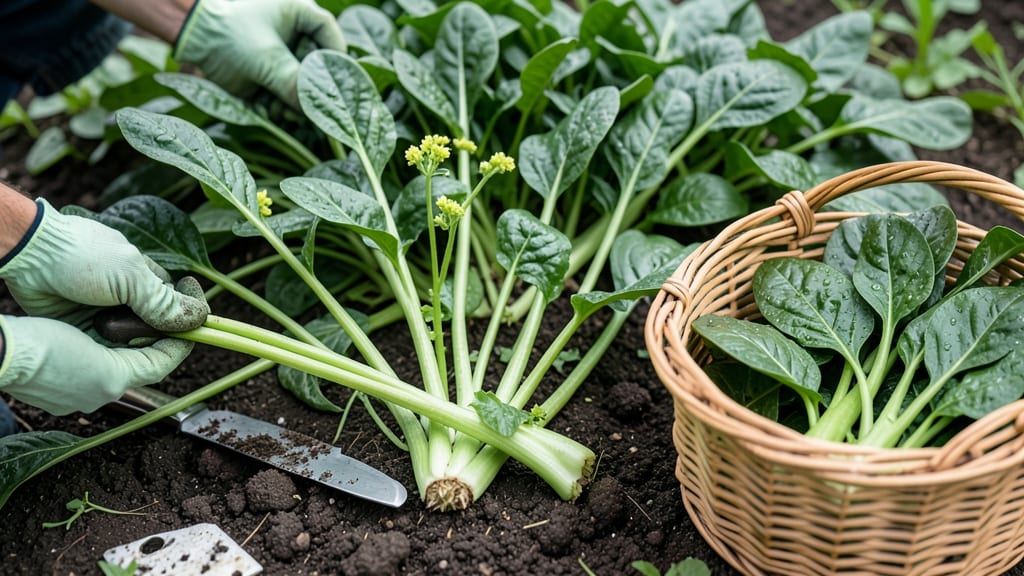
To harvest climbing spinach at its peak tender-crisp stage, focus on leaves that reach 6-8 inches—this is when flavor and texture shine brightest 🌱.
Picture this: you’ve nurtured your climbing spinach for months, and now the moment arrives to enjoy its bounty. But harvest too early, and you’ll miss the sweet spot. Wait too long, and those delicate leaves turn tough and bitter—leaving you with a pile of disappointment instead of restaurant-quality greens.
Timing is everything, but so is technique. The right method keeps your plant thriving while ensuring a steady supply of fresh leaves. Below, I’ll walk you through exactly when to pick, what tools to use, and how to avoid common mistakes that can stunt future growth.
By the end, you’ll know how to harvest climbing spinach like a pro—so you can enjoy continuous yields of tender, flavorful greens all season long.

Optimal harvesting time and technique for climbing spinach leaves
The secret to climbing spinach that tastes like a restaurant-quality side dish lies in harvest timing. When leaves reach 6-8 inches, they're at peak tenderness—crisp yet delicate, with a mild, sweet flavor.
This is the sweet spot where nutrients are concentrated, and the texture remains perfect for salads or sautéing. Harvest too early, and you miss flavor; too late, and the leaves turn tough and bitter.
Climbing spinach thrives on successive harvesting, meaning you can enjoy a continuous supply throughout the growing season. The key is to identify mature leaves while leaving younger growth to keep producing.
Overgrown stems (beyond 10 inches) signal it's past its prime, and the plant may redirect energy to seed production instead of leaf growth. Here’s how to spot the perfect harvest window:
| Harvest Stage | Leaf Size | Stem Texture | Color | Action |
|---|---|---|---|---|
| Early Growth | Under 3 inches | Tender but small | Light green | Avoid harvesting; let grow |
| Prime Harvest | 6-8 inches | Crisp, snaps easily | Deep green | Harvest outer leaves |
| Overgrown | 10+ inches | Tough, fibrous | Pale or yellowing | Prune heavily; reduce yield |
| Seasonal Adjustment | Varies by climate | N/A | N/A | Harvest earlier in hot climates (60 days); later in cool zones (75 days) |
For cooler climates (USDA Zones 3-5), aim to harvest in late spring to early summer (May-June) when temperatures stay below 75°F. In warmer zones (6-10), spinach bolts (goes to seed) faster, so harvest in early spring (March-April) or fall (September-October) to avoid heat stress.
The 60-75 day window after planting is critical—this aligns with the plant’s natural growth cycle.
To harvest, use a clean, sharp pair of pruning shears or your fingers. Grip the leaf 1 inch above the base and snap it cleanly. Avoid tearing leaves, which can damage the plant and invite pests.
Start with the outermost, largest leaves first—this encourages the plant to produce more leaves in the center. Think of it like trimming a bush: you’re shaping growth while stimulating new shoots.
If you’re growing climbing spinach on a trellis or stakes, focus on leaves that have reached the top of the support. These are often the most mature and ready for harvest. Leave the lower, younger leaves to continue growing.
This vertical harvesting method not only saves space but also ensures you’re always picking the most flavorful, tender leaves first. Pro tip: Harvest in the morning when leaves are hydrated and crispest.
After harvesting, rinse the leaves under cool water to remove dirt and pests, then pat dry gently with a clean towel. Store them in a ventilated container in the fridge for up to 5 days.
For longer storage, blanch and freeze the leaves—this preserves their nutrients and texture for up to 6 months. The key to a continuous harvest is consistency: pick every 3-5 days during peak growth to keep your climbing spinach producing.
One common mistake is harvesting more than 1/3 of the plant at once, which can shock the spinach and reduce future yields. Instead, adopt a "little and often" approach.
Another tip: If your spinach starts to bolt (send up flower stalks), it’s past its prime for leaf production. In this case, harvest the remaining leaves immediately and let the plant go to seed for next year’s crop. This ensures you don’t waste the entire plant.
For urban gardeners or container growers, climbing spinach is a game-changer because it maximizes vertical space. When harvesting, prioritize leaves that are fully extended along the trellis. These leaves have had the most time to photosynthesize and store nutrients.
If your container is small, you might need to harvest slightly more frequently (every 2-3 days) to prevent overcrowding.
How to harvest without damaging your climbing spinach plant
Harvesting climbing spinach correctly is an art that balances immediate yield with long-term plant health. The key lies in selective harvesting—picking only the outer leaves that reach 6-8 inches while leaving the inner growth intact.
This method encourages your plant to produce more tender leaves for weeks, rather than forcing it into early decline.
When done right, your climbing spinach will reward you with continuous harvests all season. But one wrong move—like yanking leaves or cutting too aggressively—can shock the plant and reduce future production. Let’s dive into the tools, techniques, and timing that keep your spinach thriving while you enjoy its bounty.
⚠️ Avoid These Harvesting Mistakes
- Don’t harvest more than 1/3 of leaves at once—this stresses the plant.
- Never pull leaves from the center of the plant; always start from the outside.
- Avoid using dull scissors—tearing leaves damages stems and invites pests.
Pro Tip: Harvest in the morning when leaves are crisp and hydrated for the best texture.
Start with the largest, most mature leaves first—they’re ready for harvest when they’ve reached 6-8 inches and have a deep green hue. Use a pair of sharp pruning shears or clean scissors to snip the leaf stem just above a leaf node.
This encourages new growth from that exact spot, creating a bushier plant over time.
For a bushier harvest, prune back any overly long vines after your main harvest. Cut them back to half their length to redirect energy toward leaf production.
However, if you’re growing climbing spinach for its ornamental vines (like in permaculture gardens), let some vines climb freely while harvesting selectively from others.
Common mistakes like harvesting small, young leaves or using dirty tools can introduce diseases. Always sanitize your pruners with rubbing alcohol between cuts, and avoid harvesting after rain when leaves are damp—this increases the risk of fungal infections like downy mildew.
By mastering these techniques, you’ll enjoy tender, flavorful leaves for months while keeping your climbing spinach plant happy and productive. The secret? Patience and precision—never rush the harvest, and your plant will reward you with a never-ending supply of greens.