
How To
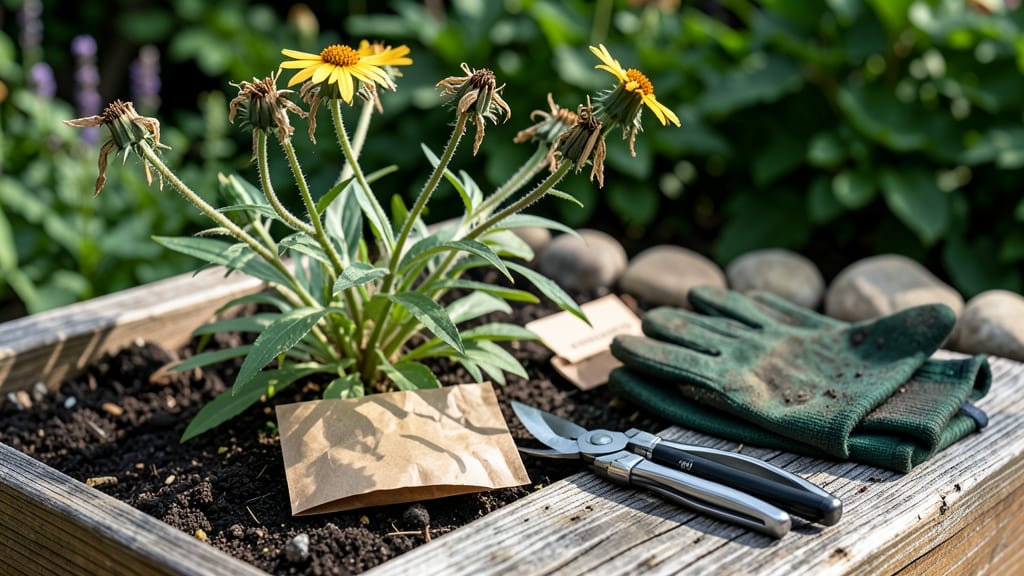
Harvesting Coreopsis seeds is the best way to save money and grow your garden’s bright 🌼 blooms year after year—just wait for those dried seed heads to turn brown and crisp.
Picture this: you’re strolling through your late-summer garden, admiring the faded Coreopsis flowers when you notice their centers turning from green to papery brown. That’s your cue—the seeds inside are ready to collect before the wind scatters them. Miss this window, and you’ll be back at the nursery next spring.
Timing is everything, and knowing when those seed heads are fully dry (not just slightly brown) makes all the difference. A little patience now means a bountiful seed stash for next season, ready to replant in that March-April window when the soil warms up.
In this guide, I’ll walk you through the exact moment to harvest, the tools you’ll need, and how to store those seeds so they stay viable until planting. No more guessing—just easy, foolproof seed-saving for your 6a-zone garden.

When to harvest Coreopsis seeds: identifying the perfect ripeness stage
Harvesting Coreopsis seeds at the right time ensures high germination rates and healthy plants for next season. The key is watching for visual cues that signal the seeds are fully mature.
Miss this window, and you risk losing seeds to wind or rain, or ending up with seeds that won’t sprout properly.
Coreopsis plants typically bloom from late spring to early fall, and their seeds mature shortly after the flowers fade. By late summer or early fall, you’ll notice the flower heads turn brown and dry out—a clear sign the seeds inside are ready for harvest.
But don’t rush! Waiting until the seed heads are completely crisp and brittle guarantees the best results.
| Stage | Visual Cues | Action |
|---|---|---|
| Early Bloom | Bright yellow or pink flowers, green seed heads | Monitor for color changes |
| Late Bloom | Flowers fade, seed heads turn light brown | Wait for full dryness |
| Ripe Stage | Fully brown, papery seed heads, seeds rattle when shaken | Harvest immediately |
| Overripe Stage | Seed heads split open, seeds scatter | Missed harvest window |
One of the most reliable signs of ripe Coreopsis seeds is the papery texture of the seed heads. When they’re ready, the dried flower heads will feel light and brittle, almost like dried paper. Gently squeeze a seed head—if it crumbles easily, it’s time to harvest.
Another telltale sign is the audible rattle when you shake the seed head; mature seeds will create a distinct sound as they move inside.
Environmental factors also play a role in seed ripening. Dry weather speeds up the process, while humid conditions can delay it. If you’re in a region with frequent rain, keep an extra-close eye on your Coreopsis plants.
The moment the seed heads turn brown and begin to split open, act fast to avoid losing seeds to the elements.
Timing your harvest correctly also depends on the specific Coreopsis variety you’re growing. Some varieties, like Coreopsis verticillata, may mature slightly faster than others, such as Coreopsis lanceolata. Always observe your plants closely, as local climate conditions can influence ripening times.
For example, plants in hotter, drier climates may ripen seeds more quickly than those in cooler, wetter areas.
If you’re unsure whether your seed heads are ready, perform a simple float test. Place a few seeds in a bowl of water—if they sink immediately, they’re not fully dry and need more time.
If they float or remain buoyant, they’re likely ready for harvest. This quick test can save you from harvesting seeds too early, which often results in poor germination rates.
Avoid harvesting seeds when the seed heads are still green or partially open, as they won’t be fully mature. Immature seeds may not store well and could develop mold or rot during storage.
Patience is key—waiting for the seed heads to turn completely brown ensures you’re collecting seeds at their peak viability.
Once you’ve identified the perfect ripeness stage, act quickly. Coreopsis seeds can disperse rapidly, especially on windy days. Use a paper bag or breathable container to collect the seed heads and prevent moisture buildup.
Store them in a cool, dry place until you’re ready to plant them in the spring.
By mastering the art of identifying ripe Coreopsis seeds, you’ll not only save money on future plantings but also enjoy the satisfaction of growing plants from seeds you’ve personally harvested.
Next season, your garden will be bursting with vibrant Coreopsis blooms—all thanks to a little patience and attention to detail this fall. 🌼
Step-by-step method for collecting Coreopsis seeds without losing them to the wind
Harvesting coreopsis seeds efficiently requires the right tools and timing to prevent them from scattering into the wind. Once those brown seed heads form, they’ll release seeds at the slightest breeze—so act quickly!
I’ve perfected a method that works for both outdoor gardens and indoor containers, ensuring you collect every viable seed for next season’s garden.
Start by gathering your essential supplies: a pair of sharp pruning shears, paper lunch bags (or breathable fabric bags), gardening gloves, and a small bowl for sorting. These tools will help you work efficiently while keeping seeds contained.
Choose a dry, calm day to minimize wind interference—this is critical for varieties like Coreopsis verticillata or Coreopsis lanceolata, whose seeds disperse easily.
For tall varieties like Coreopsis gigantea, consider harvesting seeds directly into a large mesh bag tied around the seed head. This lets seeds dry naturally while preventing loss.
If you’re working with container-grown coreopsis, place the entire pot in a garage or shed for a few days to dry seeds before extraction.
Pro tip: If you miss the harvest window, don’t despair! Coreopsis seeds often self-sow in the garden, but collecting them yourself ensures you get the exact colors and traits you love.
Just remember—patience is key. Rushing the drying process can reduce germination rates, so take your time to do it right.
With these steps, you’ll have a bountiful supply of coreopsis seeds ready for next spring’s planting. Share your harvest with fellow gardeners or use them to expand your own pollinator-friendly garden—every seed counts in supporting local ecosystems! 🌼