
How To
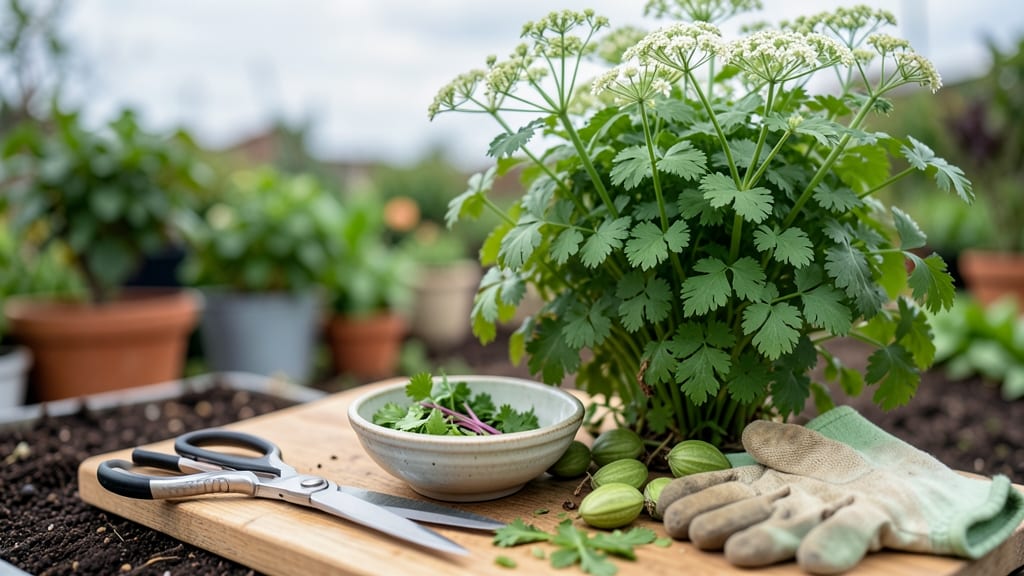
Harvesting coriander at the right time ensures you get the freshest, most flavorful leaves 🌿 — and the secret lies in knowing when to cut and how to encourage regrowth.
Picture this: you’ve nurtured your coriander for weeks, only to find the leaves tasting bitter or the plant bolting too soon. That’s where timing comes in—harvesting too early or too late can ruin your crop.
But with the right techniques, you’ll enjoy a steady supply of vibrant, fragrant cilantro all season.
In this guide, I’ll walk you through the best moments to harvest your coriander, whether you’re after tender leaves or flavorful seeds. You’ll also learn how to trim without killing the plant and store your harvest so it stays fresh longer.
Ready to turn your kitchen garden into a cilantro powerhouse? Let’s dive into the step-by-step process that keeps your coriander thriving and your meals bursting with flavor.

When to harvest coriander for maximum flavor and regrowth
Timing your coriander harvest is everything—cut too early, and you’ll miss peak flavor; wait too long, and you’ll get bitter leaves or lose your plant to bolting. The secret lies in understanding your plant’s growth stages and acting at the right moment.
For leaf harvests, aim for 4-6 inches of growth for the brightest, freshest flavor, while seed harvests require patience until the pods turn brown. Each stage demands a different approach to preserve your plant’s productivity and your harvest’s quality.
Coriander’s leaf flavor peaks when the plant is young and tender, typically between 30-45 days after sowing. This is also when the plant is most resilient to regrowth after harvesting. If you let it flower, those delicate leaves turn bitter, and the plant shifts its energy to seed production.
Meanwhile, seed harvests require waiting until the plant bolts—usually around 60 days—and the seed pods dry out completely. Knowing these windows ensures you get the most from your coriander plant.
Here’s the key: harvest leaves before flowering to maintain sweetness and encourage regrowth, but if you’re after coriander seeds, let the plant bolt and dry fully. The difference between these two harvests isn’t just timing—it’s a complete shift in the plant’s lifecycle.
Below, you’ll find a clear comparison to help you decide when to harvest for leaves versus seeds, along with visual cues to watch for in your garden.
One of the biggest mistakes I see gardeners make is harvesting coriander leaves too late. The moment your plant starts bolting—sending up a tall flower stalk—the leaves become bitter and woody. This happens when the plant senses it’s time to reproduce, shifting its energy from leaves to seeds.
To avoid this, I recommend harvesting leaves in the morning when they’re at their freshest and most flavorful. Use a sharp pair of pruning shears or scissors to cut just above a leaf node, leaving at least 2 inches of growth to encourage regrowth.
If you’re growing coriander for seeds, let the plant bolt naturally. The seeds are ready when the pods turn from green to brown and begin to dry out. At this stage, the leaves are no longer useful for cooking, but the seeds are a valuable addition to spice blends.
To harvest, simply pinch off the seed heads or cut the entire stalk and hang it upside down in a dry, well-ventilated area to finish drying. This process can take 1-2 weeks, depending on your climate.
Another pro tip: avoid overcrowding your coriander plants. When seedlings are too close, they compete for nutrients and light, leading to slower growth and weaker flavor. Thin your seedlings to 4-6 inches apart once they’re 2 inches tall.
This gives each plant room to grow strong and flavorful leaves, making your harvests more abundant and delicious. Proper spacing also reduces the risk of fungal diseases, which thrive in crowded, humid conditions.
For those in warmer climates, coriander often bolts quickly due to heat stress. To delay bolting, provide afternoon shade during hot months and keep the soil consistently moist. In
Step-by-step guide to cutting coriander without killing the plant
Harvesting coriander correctly ensures a continuous supply of fresh leaves while keeping your plant healthy. The cut-and-come-again method is my go-to for leaf harvests, but timing and technique matter to avoid stressing the plant.
Whether you're after tender leaves or dried seeds, follow these steps to maximize yield without sacrificing your plant's vitality.
Before you begin, gather your tools: a pair of sharp scissors or pruning shears, a small bowl for collected leaves, and a spray bottle with water. Work on a dry morning when the plant is hydrated but dew hasn't settled.
This reduces stress and ensures cleaner cuts. If your coriander looks wilted after harvesting, don't panic—we'll cover revival tips later!
How to Harvest Coriander Leaves
- 1 Wait until leaves reach 4-6 inches—this is prime harvest time for maximum flavor and regrowth potential.
- 2 Use clean scissors to snip leaves from the outer stems first, leaving the inner growth intact. Avoid cutting more than 1/3 of the plant at once.
- 3 For regrowth, cut just above a leaf node (where leaves meet the stem). This encourages new shoots to sprout from that point.
- 4 Harvest seeds by waiting until pods turn brown. Twist them off gently or cut the entire seed stalk at the base for easier drying.
- 5 Revive wilted plants by watering deeply and placing them in partial shade for 24 hours. Mist leaves lightly to restore moisture.
If your coriander bolts (sends up a tall flower stalk), it’s time to decide: harvest the seeds or pull the plant. Bolting often happens due to heat stress or over-maturity, but the seeds are still valuable for cooking or saving for next season.
For leaf regrowth, always prioritize younger, outer leaves—they’re the most tender and flavorful.
After harvesting, store leaves in a sealed container with a damp paper towel in the fridge for up to a week. For long-term use, dry seeds in a paper bag in a warm, dry place until crisp.
This method preserves flavor while keeping your plant ready for another harvest cycle. With the right technique, your coriander can thrive for months!
Remember, consistency is key. Harvest every 2-3 weeks to encourage bushier growth, and always use clean tools to prevent disease. Your efforts will pay off with a steady supply of fresh, homegrown cilantro all season long. Happy harvesting!