
How To
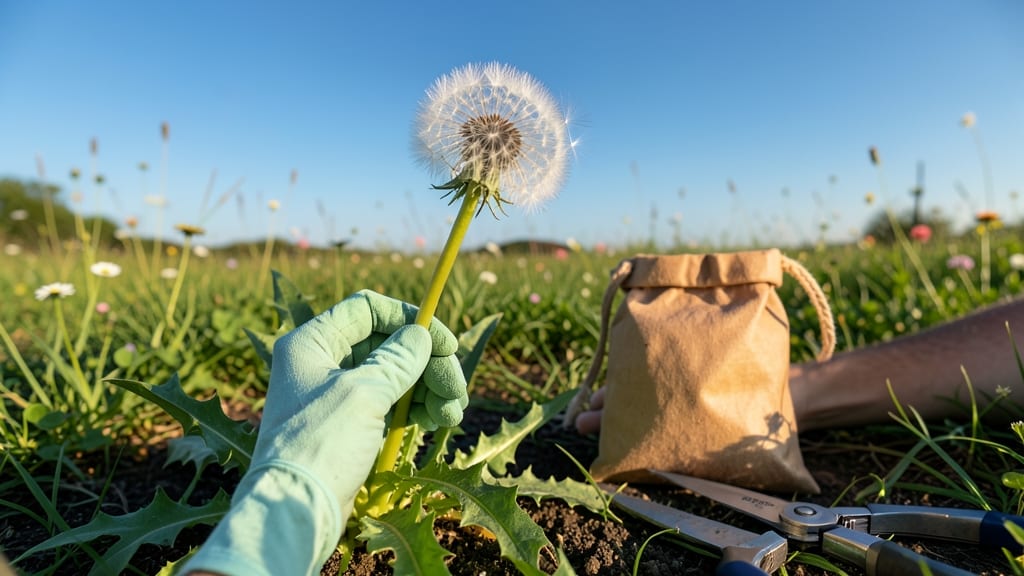
Harvesting dandelion seeds at the right time turns those familiar fluffy puffballs into a resource for pollinators, crafts, or even tea—if you know when and how to collect them.
Dandelions aren’t just weeds—their seeds are a goldmine, but timing is everything: harvest too early, and you’ll miss the bounty; wait too long, and the seeds scatter into the wind.
Most gardeners overlook this simple task, yet it’s one of the easiest ways to support local ecosystems or stockpile seeds for next year’s garden.
Below, I’ll walk you through the exact steps to identify the perfect harvest window, gather seeds efficiently, and store them for later use—no guesswork required.

When to harvest dandelion seeds: identifying the perfect fluffy stage
Harvesting dandelion seeds at the right moment transforms a weedy nuisance into a valuable resource for pollinators, crafts, or even medicinal uses. The key is recognizing when those fluffy seed heads reach peak readiness.
Too early, and you’ll collect underdeveloped seeds; too late, and the wind will carry them away before you can use them.
I’ve learned that the perfect harvest window occurs when the seed heads turn from green to golden-brown and develop that signature fluffy texture. This typically happens in late spring to early summer, depending on your climate.
Paying attention to these visual and tactile cues ensures you maximize your yield without wasting time or effort.
Weather plays a crucial role too. Harvest on a dry, calm day when humidity is low. Damp conditions can cause seeds to clump together, making them harder to collect and dry properly.
I always check the forecast before heading out to avoid disappointment—nothing’s worse than waiting weeks for the perfect stage, only to have rain ruin your plans.
| Stage | Seed Head Color | Texture | Harvest Readiness | Best Time of Day |
|---|---|---|---|---|
| Early Bloom | Green to yellow | Firm, no fluff | Not ready | N/A |
| Mid-Develop | Yellow-brown | Slightly dry | Almost ready | Morning |
| Perfect Harvest | Golden-brown | Fluffy, dry | Ready to collect | Early morning |
| Overripe | Dark brown | Brittle, seeds scattered | Too late | N/A |
One of the biggest mistakes I’ve seen is harvesting seeds when the heads are still slightly green. These seeds won’t dry properly, leading to mold or wasted effort. I always gently squeeze a seed head—if it crumbles easily and releases a cloud of seeds, it’s ready.
If it feels firm or sticky, give it another week or two.
Timing also depends on your local climate. In warmer regions like USDA Zone 8 or higher, dandelions may mature faster, while cooler zones like Zone 5 might need an extra week or two.
I’ve found that tracking the first frost date helps me plan ahead—harvesting before the first frost ensures you catch the seeds before winter dormancy sets in.
Another pro tip: focus on mature plants with fully developed yellow flowers that have already bloomed. These are the ones producing the most seeds. Younger plants with smaller blooms won’t yield much, so prioritize the larger, established dandelions in your garden or lawn.
If you’re harvesting for pollinator support, leave at least 10-20% of the seed heads on the plant. This ensures bees and butterflies still have access to nectar while you collect the rest.
It’s a small trade-off for a big impact on local ecosystems—something I always remind myself when I’m tempted to harvest everything in sight.
Finally, avoid harvesting after rain or high humidity. Wet seeds stick together and take much longer to dry, increasing the risk of mold. I’ve learned the hard way that patience pays off—waiting for a clear, sunny day makes all the difference in preserving your harvest.
With these cues in mind, you’ll never miss the perfect fluffy stage again. Happy harvesting—and remember, every seed you collect is a gift to the garden ecosystem! 🌼
Step-by-Step harvesting techniques for maximum seed yield
Harvesting dandelion seeds at the right moment ensures a high-yield collection without wasting effort. The key is patience—wait until the seed heads turn golden-brown and develop those iconic fluffy puffballs. This usually happens in late spring to early summer, but timing can shift based on your climate.
I’ve found that morning harvests work best because the dew has dried, and the seeds are less likely to scatter prematurely.
Before you begin, gather your harvesting tools. You’ll need a pair of clean pruning shears, a paper bag or breathable fabric sack (to avoid moisture buildup), and a small brush or comb for dislodging stubborn seeds.
Avoid plastic bags—they trap humidity and can spoil your harvest. If you’re harvesting in bulk, a large cardboard box lined with newspaper works perfectly for collecting fallen seeds.
Step-by-Step Guide to Harvesting Dandelion Seeds
- 🌼 Step 1: Choose Dry, Windless Days
Harvest on clear, calm mornings after the dew has evaporated. Windy days cause seeds to scatter, while damp conditions can lead to mold. Aim for late morning when the seed heads are fully dry. - 🌼 Step 2: Cut or Pick Seed Heads
Use clean pruning shears to snip the entire seed head (about 1-2 inches of stem) or gently twist it off by hand. Place heads in your breathable bag or box immediately to prevent seed loss. - 🌼 Step 3: Shake Seeds Indoors
Once home, place the seed heads in a large paper bag and shake vigorously for 30-60 seconds. The seeds will rain down while the empty puffballs stay behind. Repeat until no more seeds release. - 🌼 Step 4: Dry Seeds Completely
Spread seeds on a clean, dry towel or paper plate in a well-ventilated area (avoid direct sunlight). Stir occasionally to prevent clumping. Seeds are ready when crisp and dry (about 3-5 days). - 🌼 Step 5: Store Seeds Properly
Transfer dried seeds to an airtight container (like a glass jar with a lid) and store in a cool, dark place. Label with the harvest date—seeds stay viable for 1-2 years if stored correctly.
If you’re harvesting for pollinator support, leave some seed heads on the plant until they’re fully dispersed. This gives bees and butterflies a natural food source before winter.
For crafts or tea, you’ll want to collect seeds at peak fluffiness—this is when they’re easiest to work with and most visually striking.
Pro tip: Freeze seed heads for 24 hours before drying if your humidity levels are high. This kills any pests or mold spores without harming the seeds. I’ve used this trick in humid summers, and it’s saved multiple harvests from spoiling.
Remember, patience pays off. Rushing the harvest means lower seed yield, while waiting too long risks losing seeds to the wind. With these techniques, you’ll maximize your dandelion seed bounty every season—whether for gardening, crafts, or simply enjoying nature’s whimsy.