
How To
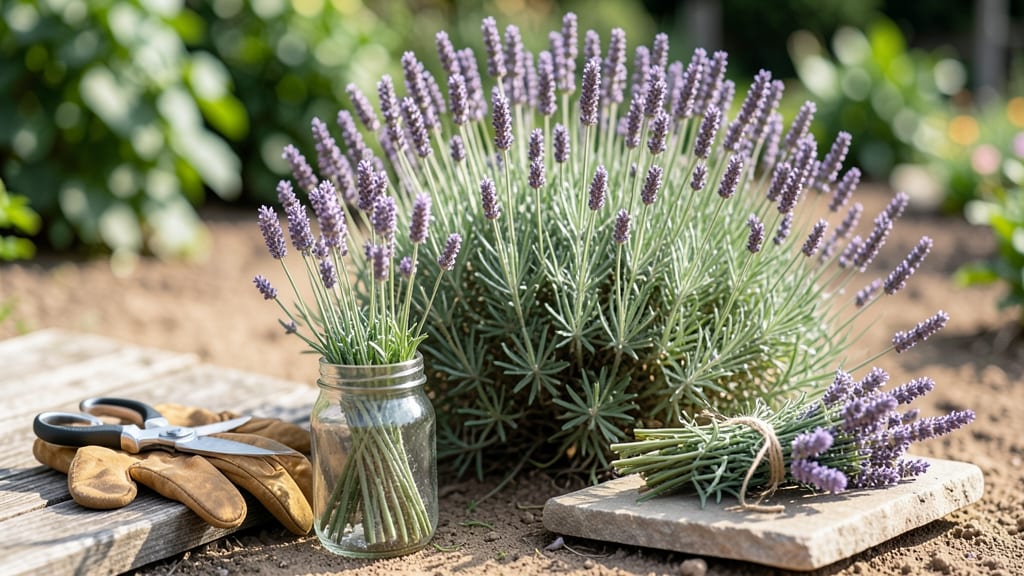
To harvest English lavender at its peak fragrance and beauty 🌿, time your cuts between mid-summer and early fall when buds are just opening but not yet blooming.
Picture this: you snip a stem, and the air fills with that signature floral scent—only to realize later that your plant looks bare and leggy. That’s the biggest mistake gardeners make, and it’s entirely avoidable with the right technique.
English lavender thrives when you cut it the right way, whether you’re drying bundles for sachets or pruning to encourage year-round growth. Below, I’ll walk you through the exact steps—when to harvest, what tools to use, and how to keep your plants lush and fragrant for seasons to come.
From avoiding over-harvesting to preserving those essential oils, you’ll learn the secrets that turn a single cut into a long-lasting harvest—no guesswork required.

When and how to harvest English lavender for maximum fragrance
Harvesting your English lavender at the right time ensures the most aromatic stems and promotes healthy regrowth. The key is timing—cutting too early or too late can weaken your plants and reduce fragrance.
I’ve learned through years of gardening that late morning is ideal, when essential oils are at their peak. This guide will walk you through the best seasons, stem selection, and cutting techniques to keep your lavender thriving while maximizing that signature scent.
English lavender (Lavandula angustifolia) thrives in USDA Zone 6 and beyond, making it perfect for many gardeners. The best harvest windows are mid to late summer, but you can also harvest in early fall before the first frost.
Avoid harvesting in spring or winter, as the plant focuses on new growth rather than flower production. Pro tip: Harvesting in the morning after the dew has dried helps preserve the essential oils that give lavender its signature fragrance.
- 🌱 Timing: Harvest English lavender when buds are just starting to open (not fully bloomed). This ensures the strongest fragrance and flavor.
- ✂️ Tools: Use clean, sharp pruners or shears to avoid crushing stems. Disinfect tools with rubbing alcohol to prevent disease.
- 🌿 Stem Selection: Choose healthy, woody stems (about 1/4-inch thick) with green leaves. Avoid stems with yellowing or brown leaves.
- 📏 Cutting Height: Leave 4-6 inches of growth above the base. This encourages new shoots and prevents woody overgrowth.
- ☀️ Best Time of Day: Harvest in late morning (after dew dries but before midday heat) to preserve essential oils.
- 🌧️ Avoid Rain: Never harvest wet lavender—wait for dry, sunny conditions to prevent mold and mildew.
When harvesting, focus on selective pruning rather than cutting everything at once. I recommend harvesting one-third of the plant at a time to avoid stressing the lavender. Start by identifying the strongest stems—these are usually the ones with the most aromatic leaves and budding flowers.
Use your fingers to gently pinch off stems if they’re small, or use pruners for thicker stems. Always cut at a 45-degree angle just above a leaf node to encourage new growth.
One common mistake I see is harvesting fully open flowers. While these may look pretty, they’ve lost much of their fragrance and essential oils. Instead, aim for buds that are just starting to open—these will have the most potent scent.
If you miss this window, you can still harvest, but the stems won’t be as fragrant. For maximum yield, harvest every 4-6 weeks during the growing season, but never more than one-third of the plant at a time.
After cutting, it’s crucial to process the lavender quickly to preserve its fragrance. Bundle stems together with a rubber band and hang them upside down in a dry, dark, well-ventilated area. Avoid direct sunlight, as this can fade the color and reduce the scent.
In 3-4 weeks, the lavender will be fully dried and ready for use in sachets, potpourri, or crafts. Pro tip: Store dried lavender in airtight containers away from moisture to keep it fragrant for up to 12 months.
If you’re harvesting for culinary uses, such as lavender-infused honey or teas, focus on the buds and leaves rather than the stems. The younger leaves have the most delicate flavor, so harvest them in early summer before the plant puts all its energy into flowering.
Always label your dried lavender by harvest date—this helps you track the freshness and potency of your stash.
For gardeners in warmer climates, you can extend the harvest season into early fall. However, stop harvesting at least 6 weeks before the first frost to allow the plant to harden off for winter.
In colder zones, harvest only in late summer and avoid cutting back the plant in fall or winter, as this can damage the woody stems.
Finally, don’t forget to revitalize your lavender plants after harvest. After cutting, give your plants a light fertilizer (like a 5-10-10 balanced mix) in early spring to encourage new growth. Mulch around the base with gravel or coarse sand to improve drainage—lavender hates soggy roots.
With proper care, your English lavender will reward you with years of fragrant blooms and lush foliage.
With these techniques, you’ll not only maximize the fragrance and quality of your harvested lavender but also ensure your plants stay healthy and productive for seasons to come. Happy harvesting! 🌿
Pruning English lavender for healthy growth and continuous blooms
Pruning your English lavender isn't just about shaping—it's essential for promoting new growth and ensuring continuous blooms. Unlike many plants, lavender thrives when you trim it regularly, but timing and technique make all the difference.
If you skip pruning, your plant may become woody and leggy, reducing both fragrance and flowers. The key is to prune at the right times and use the proper tools to avoid damaging the plant.
For most gardeners, the best time to prune is late winter or early spring, just as new growth begins. This encourages fresh, vibrant stems and prevents overcrowding. However, a light trim after flowering in mid-summer can also stimulate a second flush of blooms.
Avoid heavy pruning in fall or winter, as lavender needs time to harden off before dormancy. Always use clean, sharp pruners to make precise cuts and minimize stress on the plant.
⚠️ callout warning ⚠️
⚠️ Mistake to Avoid: Over-Pruning
Never cut more than 1/3 of the plant at once—this can kill the lavender by removing too much foliage. English lavender stores energy in its woody stems, so aggressive pruning leaves it vulnerable to drought stress or fungal infections. If your plant looks overgrown or woody, revive it with gradual trims over 2-3 years, cutting back only dead or yellowed wood in the first year.
To revive an overgrown lavender plant, start by removing dead or diseased stems first. Then, cut back old wood (the woody, brown stems) to just above a new green shoot. This stimulates regrowth from the base.
For severely overgrown plants, you can even cut back 1/3 of the oldest stems in early spring, but avoid touching the younger, green growth. Always sterilize your pruners with rubbing alcohol between cuts to prevent spreading disease.
Your pruning tools are just as important as the technique. Use bypass pruners for clean cuts on thicker stems, and sharp scissors for finer trimming. Avoid dull tools, which can crush stems and invite pests.
After pruning, water deeply but avoid overwatering—lavender hates soggy roots. A light mulch around the base helps retain moisture while keeping the plant drought-tolerant.
One of the most common pruning mistakes is cutting into old wood too aggressively. If you see brown, brittle stems, these won’t regrow—focus on green, flexible growth instead. Another pitfall is pruning after a hard frost, which can stunt new growth.
Always time your cuts to align with the plant’s natural growth cycles. With the right approach, your English lavender will reward you with lush foliage and abundant blooms for years.
For year-round fragrance, pair your pruning with seasonal care. In spring, fertilize lightly to boost new growth. In summer, reduce watering to encourage root depth. And in fall, stop pruning entirely to let the plant prepare for dormancy.
By following this seasonal rhythm, you’ll keep your lavender healthy, fragrant, and full of life—no matter the time of year.