
How To
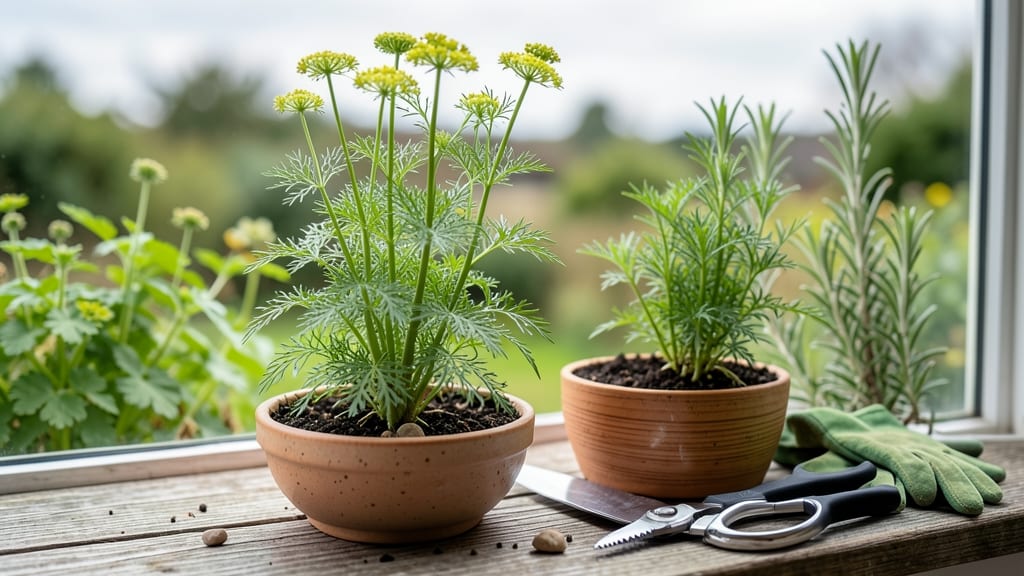
Harvesting fresh dill at the right time means snipping fragrant stems when they’re just right—before they bolt into flowers and lose their zesty punch.
Picture this: your 🌿 dill plant is thriving in your Zone 6a garden, reaching that perfect 6-12 inch height where the leaves are lush and the aroma hits you like a summer breeze.
But wait too long, and those tender leaves turn bitter as the plant shifts focus to seeds. Timing is everything, and I’ll show you exactly how to nail it.
You’ll learn the three simple stem checks that tell you when to grab your shears—firmness, leaf size, and even the scent test. Plus, I’ll cover how to cut without stunting your plant so you can keep harvesting all summer long. No more wasted effort or sad, overgrown stems!
From the moment you spot those deep green, vibrant leaves to storing your harvest for weeks, I’ve got you covered. Whether you’re prepping for a June salad or freezing bundles for winter soups, this guide ensures your dill stays fresh and flavorful—every time.

3 Key stem checks to determine when to harvest fresh dill
Harvesting fresh dill at the right moment transforms your garden into a flavor factory. The difference between peak freshness and bitter disappointment often comes down to three simple stem checks. These visual and tactile cues help you time your harvest for the brightest flavor and longest harvest season possible.
First, let's address the most common mistake: waiting too long. Many gardeners harvest dill after it flowers, which turns the leaves bitter and woody. Instead, focus on these three stem indicators to catch dill at its prime.
Mastering these checks will ensure your dill stays aromatic and tender for weeks of harvests.
🌿
📌 3 Key Stem Checks for Perfect Harvest Timing
-
1. Leaf Color & Size:
Look for deep green leaves that are at least 3-4 inches long. The leaves should be plump and vibrant, not yellowing or curling. -
2. Stem Firmness:
Gently squeeze the main stems. They should feel firm but flexible, not soft or mushy. Soft stems indicate overwatering or readiness to bolt. -
3. Flower Bud Formation:
Check for tiny yellow buds at stem junctions. Harvest before buds open (usually 2-3 days prior) to maintain maximum flavor.
💡 Pro Tip: The best harvest window is when your dill reaches 6-12 inches tall with 3-5 true leaves per stem.
Let's break down each check in more detail. The leaf color is your first visual cue. Healthy dill leaves should be a rich, glossy green, similar to what you'd find in a grocery store—but fresher!
If you notice any yellowing or browning, this signals stress, often from overwatering or nutrient deficiency.
Next, focus on the stem firmness. This tactile check is crucial because it tells you whether the plant is ready for harvest or still maturing. A firm stem means the plant has allocated enough energy to the leaves, ensuring they're packed with flavor.
If stems feel spongy or hollow, it's a sign the plant is either underwatered or ready to bolt.
Finally, watch for flower bud formation. This is where many gardeners miss the boat. Those tiny yellow buds appear at the leaf axils (where leaves meet the stem).
Once you spot them, you have just 2-3 days before the dill's flavor starts degrading. Harvesting at this stage ensures your dill remains tender and aromatic.
Here's a real-world example: I harvest my dill every 7-10 days during peak season using these checks. On a hot summer morning, I'll run my fingers along the stems to feel for firmness, then inspect the leaves for color.
If both checks pass, I know it's time to grab my sharp pruners and get to work.
One common question is: "What if my dill starts flowering?" If you've missed the window and buds are already open, don't panic. The seeds can still be harvested for cooking or saving, though the leaves will be bitter and less desirable.
For maximum flavor, always prioritize these three stem checks over waiting for flowers.
Remember, harvesting dill correctly encourages bushier growth. When you cut stems back to about 4-6 inches tall, the plant responds by producing new side shoots. This means you'll get multiple harvests from a single plant throughout the growing season.
🌱
Step-by-step harvesting techniques for maximum yield
Harvesting fresh dill correctly keeps your plant thriving and packed with flavor. The key is to use the right cutting techniques and timing to avoid stressing the plant while maximizing your yield. I’ve found that proper pruning angles and frequency make all the difference in encouraging regrowth.
Start by selecting the outer stems first—this protects the inner growth and prevents overcrowding. Always use clean, sharp tools like pruning shears or scissors to avoid tearing the stems. Cutting at a 45-degree angle just above a leaf node helps water flow better to the remaining plant.
Timing is everything when harvesting fresh dill. I recommend harvesting in the morning after dew dries but before the sun peaks—this preserves the plant’s natural oils and flavor. If you’re growing dill for seeds, let some stems flower and allow the seed heads to dry on the plant.
After harvesting, rinse the stems under cool water to remove dirt, then pat dry with a paper towel. Store in the fridge wrapped in a damp paper towel inside a sealed bag for up to a week.
For long-term storage, dry the stems or freeze them in ice cube trays with water for easy use later.
One common mistake I see is cutting stems too close to the base or harvesting too aggressively. This can weaken the plant and reduce future yields. By following these step-by-step techniques, your dill will stay productive and flavorful all season long.