
How To
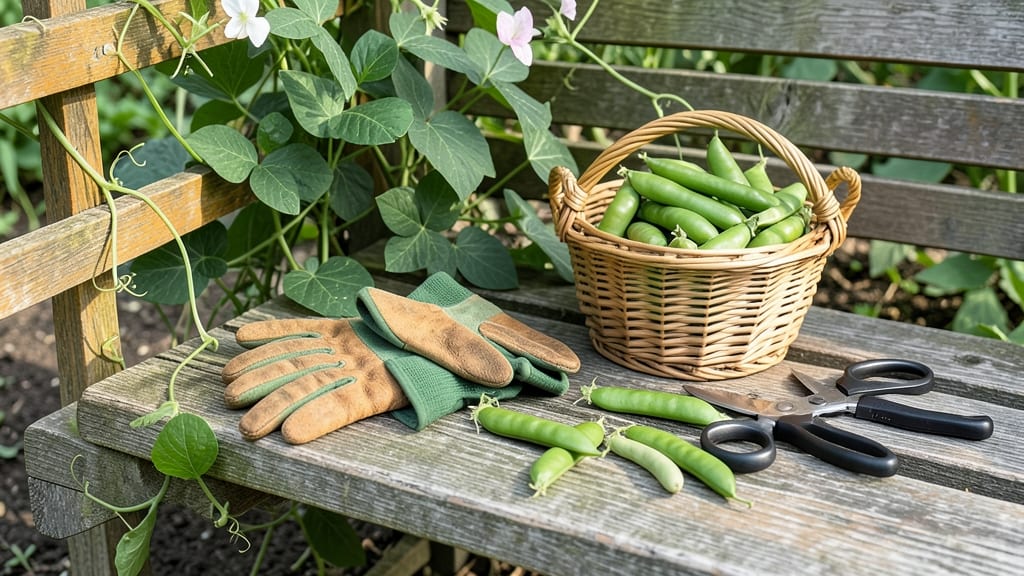
Harvesting green peas at the right time turns your garden into a sweet, crisp snack factory 🌱 — and missing the window means mealy, bitter pods that taste like disappointment.
Picture this: you’ve waited 60-70 days for your peas to mature, only to pick a pod that’s too soft or overripe. The key to perfect peas is knowing when they’re ready—bright green, firm, and about 2-3 inches long—before the seeds inside start filling the pod completely.
In this guide, I’ll walk you through the exact steps to harvest peas without damaging the plant, plus how often to pick them to keep your pea plants producing like crazy. No more guesswork, just flavor-packed pods straight from your garden.
You’ll also discover common mistakes that ruin freshness (like waiting too long or storing them wrong) and how to fix them. Ready to turn your harvest into a crunchy, sweet success?


When to harvest green peas: pod size & color guide for perfect timing
Harvesting green peas at the right moment transforms your garden labor into sweet, crisp rewards. The key lies in understanding pod size, color cues, and texture clues—each variety has its own perfect window.
Miss it, and you’ll end up with tough, fibrous pods or shriveled peas that lose their signature snap. I’ve learned the hard way that patience pays off when peas are ready.
For most shelling peas, timing is critical—wait too long, and the peas inside turn starchy and lose their delicate sweetness. Meanwhile, sugar snap peas and snow peas have slightly different benchmarks.
Let’s break down the visual signals you need to watch for, so you never miss the sweet spot again.
| Pea Type | Pod Size | Pod Color | Texture | Seeds |
|---|---|---|---|---|
| Shelling Peas | 2–3 inches | Bright green | Firm, slightly rounded | Visible but small |
| Sugar Snap Peas | 3–4 inches | Vibrant green | Crisp, snaps when bent | Filling pod but not hard |
| Snow Peas | 2–3 inches | Bright green | Tender, flat pods | Not developed |
✅ Harvest when pods meet these criteria for peak flavor and texture.
Let’s start with shelling peas, the most common type. These are ready when pods reach 2–3 inches long and are a vibrant bright green. The pods should feel firm to the touch—if they dent easily, they’re overripe.
Inside, the peas should be visible but not yet filling the pod completely. This stage ensures maximum sweetness and tenderness.
For sugar snap peas, the rules shift slightly. Aim for pods that are 3–4 inches long and still crisp when bent. The color remains bright green, but the texture is the real giveaway—if the pod snaps cleanly, it’s perfect.
Overripe sugar snaps become tough and woody, so don’t wait too long. I’ve found that harvesting these in the morning keeps them at their freshest.
Now, snow peas are a bit different because you eat the entire pod. Harvest them when they’re 2–3 inches long and still flat and tender. The pods should be bright green and slightly translucent.
If they start to bulge or turn yellow, they’ve passed their prime. Snow peas are delicate, so check them every 2–3 days to avoid missing the window.
One of the biggest mistakes I’ve seen is waiting until pods turn yellow or brown. By then, the peas inside are often overmature and starchy, losing their sweetness. Another red flag is soft or mushy pods, which signal the peas have started to dry out.
Always prioritize bright green color and firm texture—these are your best indicators.
Pro tip: Harvest frequently—every 2–3 days for shelling peas and sugar snaps, and every 3–4 days for snow peas. This encourages the plant to produce more pods and extends your harvest season. I’ve seen gardens double their yield just by staying on top of regular harvesting.
Variety matters too! Some heirloom peas like ‘Sugar Ann’ or ‘Oregon Sugar Pod’ have slightly different timelines. Always check the seed packet for specific guidance, but trust your eyes and fingers—they’ll guide you better than any calendar.
The goal is to pick peas at their peak, not a day later.
Finally, avoid harvesting in hot afternoons when pods can be wilted or stressed. Early morning is ideal because the peas are cool and crisp. Store them in the fridge for up to 5 days to preserve freshness, or eat them right away for the best flavor.
There’s nothing like the taste of peas picked just hours before eating!
With these cues in mind, you’ll never miss the perfect moment to harvest your green peas. The key is consistency and observation—your garden will thank you with a bountiful, flavorful harvest. Happy picking! 🌱
Step-by-step green pea harvesting techniques to maximize yield
Harvesting green peas at the right moment ensures you get those sweet, crisp pods packed with flavor 🌱. The secret lies in gentle handling and consistent timing—both of which encourage your pea plants to keep producing.
I’ve learned that skipping harvests or picking too late can turn your garden’s bounty into tough, bitter pods that even a light frost won’t salvage.
Peas are ready when pods reach 2-3 inches long, feel firm to the touch, and snap easily when bent. If you wait until the pods start bulging with fully developed peas, you’ll miss the sweet spot.
Here’s how to harvest them efficiently without damaging your plants or breaking their production cycle.
How to Harvest Green Peas
-
Step 1: Choose the Right Time
Harvest peas in the morning after dew has dried but before the heat of the day. This ensures pods are crisp and full of moisture. -
Step 2: Use the Right Tools
No tools are needed—just your hands! For larger patches, bring a small basket or bucket with a handle to avoid bending over too much. -
Step 3: Pick Gently
Hold the pod between your thumb and forefinger, then twist or snap it off the vine. Avoid pulling, which can uproot tender plants or damage stems. -
Step 4: Harvest Regularly
Pick peas every 2-3 days to encourage continuous production. Overripe pods left on the plant will reduce yield and attract pests. -
Step 5: Store Properly
Keep harvested peas in the fridge for up to 5 days in a perforated bag or paper towel-lined container to maintain crispness.
One of my biggest mistakes was waiting until pods looked "big enough" before harvesting—only to find they were tough and past their prime. Now, I check pods daily during peak season to ensure I never miss the sweet window.
This also prevents overcrowding, which stresses the plant and reduces future yields.
For sugar snap peas or snow peas, harvest when pods are flat and bright green but before seeds bulge. Shelling peas, on the other hand, should be picked when pods are plump and slightly rounded. Knowing these differences makes all the difference in flavor and texture.
To prolong the harvest season, consider succession planting—sow new seeds every 2 weeks after the first harvest. This ensures a steady supply of fresh peas from early spring until late summer. Just remember: consistent harvesting is the key to a bountiful pea harvest all season long!