
How To
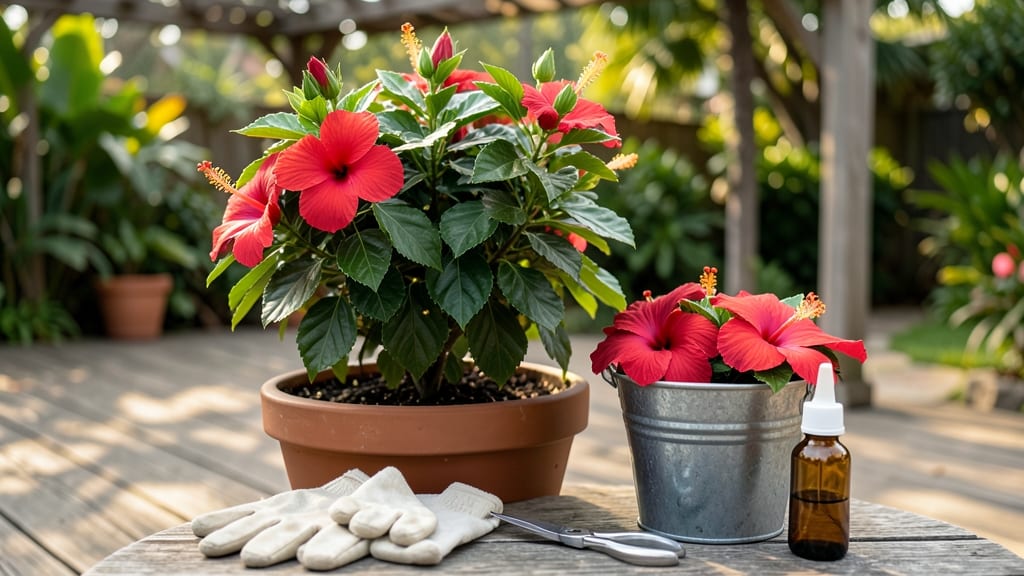
To harvest hibiscus at their peak—when petals are vibrant and flavor is strongest—pick fully bloomed flowers in the morning before the sun fades their color 🌸.
Hibiscus flowers aren’t just beautiful—they’re edible, medicinal, and perfect for teas, jams, and crafts. But timing and technique are everything when harvesting them. Miss the window, and you’ll lose flavor, color, and even potential health benefits.
Most gardeners wait until the flowers are fully open, but the best time is actually when they’re just beginning to bloom—this ensures the most vibrant petals and the freshest taste. In USDA Zone 6a, that’s typically between July and October, depending on your variety.
Inside, you’ll find the exact steps to harvest hibiscus without damaging the plant, plus five proven methods to preserve them for year-round use—whether you’re drying them for tea or saving seeds for next year’s garden.

Best time to harvest hibiscus flowers for maximum flavor and color
Harvesting hibiscus flowers at the right moment ensures the brightest color and richest flavor. Unlike many flowers, hibiscus reaches peak ripeness when fully open but still crisp—not wilted or overripe.
The morning hours (between 7-9 AM) are ideal because dew is minimal, and petals retain their moisture and vibrancy. If you wait until afternoon, flowers may start wilting, dulling their color and altering their taste.
For tropical hibiscus varieties, like Hibiscus rosa-sinensis, the harvest window stretches from late spring to early fall (May-October). In temperate climates, such as USDA Zone 6a, focus on harvesting between July and September when daytime temperatures consistently stay above 70°F (21°C).
Early morning harvests in cooler climates prevent petals from becoming limp or discolored.
Identifying the perfect hibiscus flower for harvest is key. Look for fully open blooms with vibrant, uniform color—no fading or browning at the edges. The bud should be tight but not yet opened, indicating it’s ready for future harvests.
Avoid flowers with drooping petals or soft centers, as these signs mean the flower is overripe and past its prime for flavor and color retention.
Seasonal timing plays a crucial role in hibiscus harvests. In tropical regions, hibiscus blooms year-round, but the peak harvest months are typically spring and fall when temperatures are moderate.
For gardeners in cooler climates, focus on harvesting during the warmest months (July-August) when flowers mature faster and retain their vibrant hues. Early fall harvests in temperate zones should wrap up before the first frost, which can damage both the plant and the quality of the flowers.
Overripe hibiscus flowers not only lose their bright color but also develop a bitter taste, making them unsuitable for teas, jams, or crafts. The center of the flower becomes slimy and less palatable as it ages, while the petals turn brittle.
Underripe flowers, on the other hand, lack the full depth of flavor and may not dry properly, leading to wasted effort. Always prioritize harvesting when flowers are at their peak freshness for the best results.
To maximize your hibiscus harvest, create a morning routine that includes checking new blooms. Use a small pair of pruning shears or clean scissors to snip the stem just above a leaf node. This encourages the plant to produce more buds.
Avoid pulling flowers by hand, as this can damage the stem and reduce future blooms. Store harvested flowers in a paper bag or mesh bag to allow airflow while keeping them dry until you’re ready to process them.
For those in USDA Zone 6a or similar temperate regions, keep an eye on the forecast. If a cold snap is predicted, harvest all remaining flowers before temperatures drop below 50°F (10°C).
Hibiscus plants can survive light frosts, but the flowers won’t recover once damaged. In tropical climates, consistent harvests can be done weekly, but always aim for the earliest part of the day to preserve quality.
Step-by-step hibiscus harvesting techniques to avoid damage
Harvesting hibiscus flowers requires a gentle touch to preserve their vibrant color and delicate petals. The wrong technique can bruise stems or damage the plant’s growth. I’ve learned that morning harvests yield the freshest flowers, but even timing matters less than how you handle them.
Start by selecting flowers that are fully open with bright, uniform petals. Avoid overripe blooms—those with wilted edges or faded colors won’t dry well or taste as vibrant. The key is to pick them when they’re at their peak, usually mid-morning after dew has dried.
⚠️ WARNING: Never harvest hibiscus flowers in the afternoon or after rain. Wet petals bruise easily, and afternoon heat can cause wilting. Use clean, sharp pruners or your fingers to avoid crushing stems. If pruning, cut just above a leaf node to encourage new growth.
For hand-picking, grasp the stem firmly about 1 inch below the flower head and give a quick twist. This method minimizes damage to the plant. If using pruners, sterilize them with rubbing alcohol first—bacterial contamination can spread to healthy parts of the hibiscus.
Once harvested, handle stems with care. Lay flowers flat on a paper towel-lined tray to prevent petals from sticking together. Avoid stacking them, as this can cause bruising. For drying, tie stems in small bundles with twine and hang upside down in a well-ventilated, dark space.
If you’re preserving hibiscus for tea or culinary use, remove the calyx (the green base) and discard it. The petals are the star—rinse them gently in cold water to remove dust, then pat dry.
Store dried petals in an airtight container away from direct sunlight to maintain their color and potency.
Pro tip: Harvest hibiscus flowers regularly every 2-3 days to encourage continuous blooming. Overcrowded stems can lead to fewer flowers, so prune lightly after each harvest to improve airflow. With the right technique, you’ll enjoy a steady supply of vibrant hibiscus for crafts, teas, or even salads!