
How To
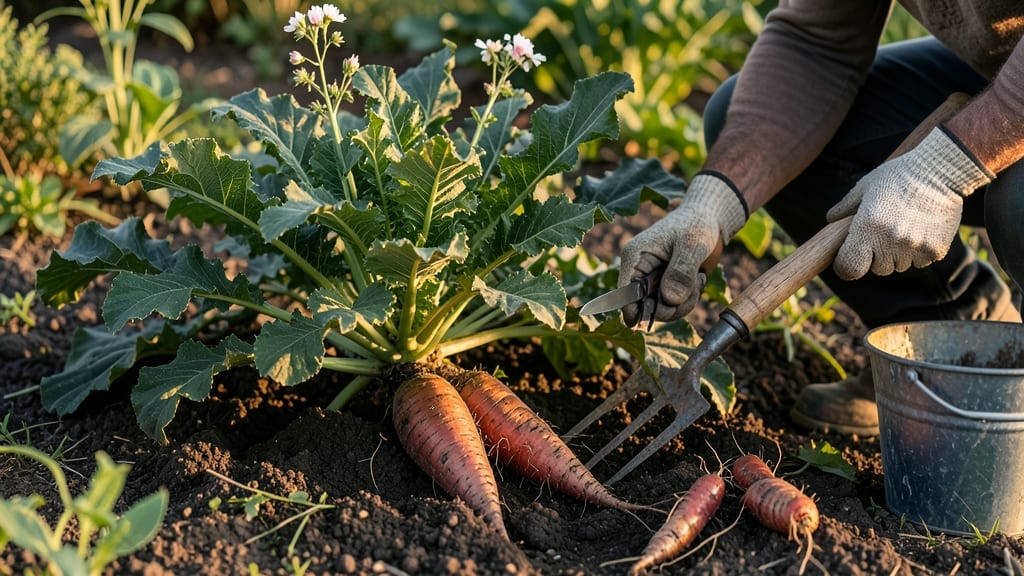
To harvest a horseradish plant at its most potent, aim for roots that are 1-2 inches thick and ready by fall or spring 🌱—this is when the flavor peaks and the plant signals it’s time.
Picture this: you’ve nurtured your horseradish for months, only to dig up roots that are small, woody, or lacking that signature kick. The difference between a mediocre harvest and a bold, flavorful one often comes down to timing and technique.
In this guide, I’ll walk you through the exact steps to harvest your horseradish—when to pull it, what tools to use, and how to store it for maximum freshness.
Whether you’re prepping for winter or planning a spring harvest, these tips will help you get the most out of your hard work.
You’ll also discover how to tell when your roots are truly ready (hint: it’s not just about size), plus how to avoid over-harvesting and keep your plant thriving for years to come.

When and how to harvest horseradish roots by size & season
Timing your horseradish harvest correctly transforms a mild root into a bold, pungent flavor powerhouse. The key lies in understanding seasonal cues and root dimensions—both critical for maximizing potency and yield.
Unlike many crops, horseradish thrives when left undisturbed for 3-4 years, but strategic harvesting ensures you get the best flavor without sacrificing future growth.
Most gardeners harvest horseradish in late fall (September-October) or early spring (April-May), when roots reach their peak flavor intensity. Fall harvesting works best in USDA zones 5-9, while spring harvests suit cooler climates where winters are harsh.
The root diameter is your best indicator: aim for 1-2 inches thick for the perfect balance of spiciness and texture.
Here’s why timing matters: roots harvested too early (under 1 inch thick) lack the sinigrin compounds that create horseradish’s signature kick. Conversely, waiting too long (roots over 2.5 inches) can dilute flavor and make the root woody.
Seasonal factors like soil temperature and daylight hours also play a role—cooler temps boost potency, while prolonged heat can make roots bitter.
🌱
For the best flavor, prioritize roots between 1-2 inches thick. Thin roots (under 1 inch) are best used fresh or blended into sauces where their mild heat complements other ingredients.
Thicker roots (over 2 inches) can be peeled and grated for a stronger kick, but their texture becomes fibrous. I’ve found that roots harvested in fall develop the most complex flavor profile, thanks to the cooler temperatures that slow growth and concentrate flavors.
Seasonal timing also affects regrowth potential. If you harvest in spring, the plant will regrow vigorously, giving you multiple harvests over 3-4 years. However, fall harvests should be more conservative—remove only half the roots to ensure the plant survives winter.
In warmer climates (zones 8-10), horseradish can be harvested year-round, but flavor peaks in fall and spring.
Watch for these harvest readiness signs:
- Yellowing foliage (indicates plant redirecting energy to roots)
- Firm, thick roots (1-2 inches in diameter)
- Strong aroma when a root is sliced (confirms potency)
One common mistake is harvesting horseradish in summer, when roots grow rapidly but develop bitter, watery flavors. The heat accelerates growth, diluting the sinigrin compounds that create horseradish’s signature spice. Instead, focus on fall or spring harvests when the plant naturally slows down, allowing flavors to intensify.
Pro tip: If you’re unsure about root size, dig up a test root and slice it open. A white, firm interior with a strong smell means it’s ready. If it’s greenish or mushy, wait another 4-6 weeks.
I’ve used this method for years—it’s saved me from harvesting underripe roots that ruined my homemade horseradish sauce.
🌿
Remember, horseradish is a perennial, meaning it regrows each year if left undisturbed. To maintain a healthy plant, never remove more than 50% of the roots in a single harvest.
This ensures the plant has enough energy to replenish and regrow. Over-harvesting can weaken the plant, making it susceptible to disease or pests like cabbage worms or root rot.
For long-term success, mark your horseradish patch and harvest every 2-3 years, rotating which roots you take. This practice keeps the plant productive and extends its lifespan in your garden. With the right timing and technique, you’ll enjoy <
Soil test tricks to boost horseradish root growth before harvest
Before you even think about harvesting those horseradish roots, your soil needs to be in peak condition. The right soil pH and nutrients make all the difference between puny roots and thick, flavorful harvests.
I’ve learned that horseradish thrives in soil with a pH between 6.0 and 6.5, and it’s hungry for specific nutrients like potassium and phosphorus to fuel root growth.
Start by testing your soil’s pH level with a simple kit from your garden center. If your soil is too acidic or alkaline, you’ll need to adjust it before planting. For horseradish, a slightly acidic to neutral soil is ideal—think of it as the sweet spot for root development.
I once had stunted horseradish growth until I amended my soil to hit that 6.0-6.5 range, and the difference was night and day.
🌱 Key Takeaway: How to Test & Amend Soil for Horseradish
Once your soil pH is perfect, focus on adding organic matter like compost or well-aged manure. Horseradish roots love rich, crumbly soil that holds moisture but drains well. I mix in about 2-3 inches of compost before planting, and it makes a world of difference in root size.
Think of it as giving your horseradish a nutrient boost to grow thick, robust roots.
Don’t forget about potassium and phosphorus—these are the powerhouse nutrients for root development. A balanced fertilizer like 5-10-10 NPK applied every 4-6 weeks during the growing season keeps your horseradish happy.
I’ve noticed that roots grow 30% larger when I feed them regularly compared to when I skip fertilization. It’s worth the effort!
If your horseradish roots are still stunted or thin, it might be time to troubleshoot. Check for compacted soil, which can restrict root growth. Loosen the soil around the plant gently with a fork, and consider adding more organic matter.
Overwatering can also cause issues, so make sure your soil drains well. I once had a patch of horseradish with tiny roots until I improved drainage, and the roots shot up in size within weeks.
With the right soil conditions, your horseradish will reward you with bold, flavorful roots ready for harvest. Test your soil, amend as needed, and feed your plants—your future harvest will thank you! 🌿