
How To
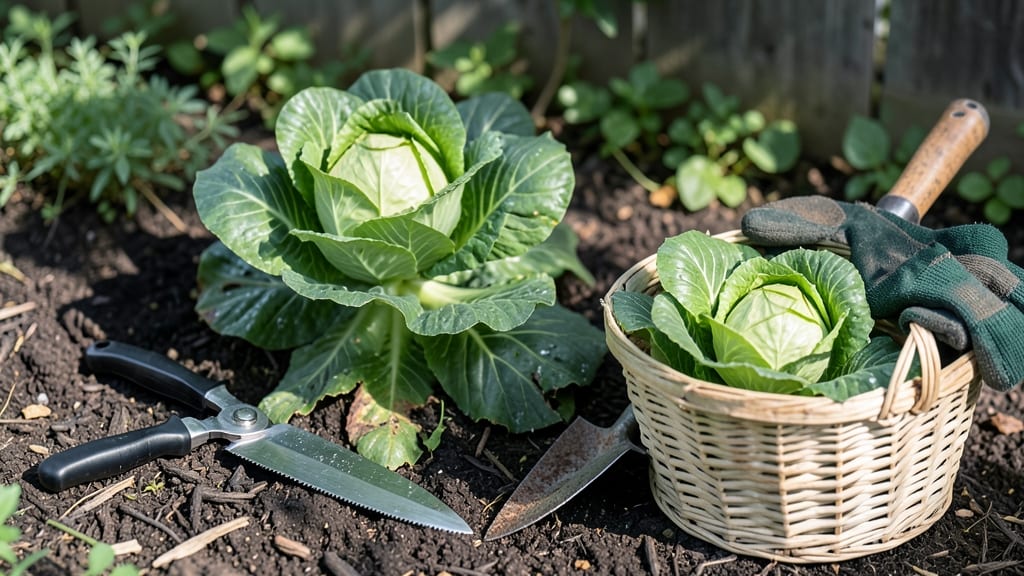
Harvesting iceberg lettuce by cutting outer leaves keeps it growing for weeks longer than you’d expect 🥬 — and it’s easier than you think.
Most gardeners make the mistake of cutting the whole head at once, which ends the harvest in a single day. But with the right technique, your iceberg lettuce can bounce back, producing fresh leaves for weeks—even months—after the first harvest.
You’ll need just a sharp knife and a little patience to trim the outer leaves without damaging the core. The key is timing: harvest when the leaves are fully grown but still tender, and always leave the inner leaves to keep the plant healthy.
In this guide, you’ll learn the exact method to extend your harvest, how often to trim for maximum yield, and what to do if your lettuce starts to struggle after cutting. Let’s get started!

Step-by-step guide to harvesting iceberg lettuce without killing the plant
Most gardeners make one critical mistake when harvesting iceberg lettuce: they cut the entire head at once. This ends your harvest prematurely, but there's a better way.
By using a leaf-by-leaf harvesting technique, you can keep your iceberg lettuce producing fresh, crisp leaves for weeks longer without damaging the plant. The key is timing, proper cutting technique, and understanding which leaves to avoid.
Iceberg lettuce is a cut-and-come-again crop, meaning it regrows after partial harvests if done correctly. The secret lies in removing only the outer leaves while leaving the inner core intact. This allows the plant to continue growing new leaves from the center.
However, if you cut too much or damage the growing point, the lettuce will bolt (send up a flower stalk) and become bitter, ruining your harvest.
✂️ Step-by-Step Guide to Harvesting Iceberg Lettuce
- 🌱 Wait until the head is firm: Harvest only when the lettuce head is fully 8-10 inches wide and feels solid when gently squeezed. Immature heads won’t regrow well.
- 💧 Water the soil the day before: Well-hydrated plants handle cutting better. Aim for 1-2 inches of soil moisture to prevent stress.
- ✂️ Use clean, sharp shears or scissors: Dull tools crush leaves, inviting disease. Cut 1/4 inch above the next leaf to avoid damaging the growing point.
- 🌿 Remove only the outer leaves: Never cut into the tight inner core. Focus on the largest, most mature leaves first—they’re ready to eat!
- 🌡️ Harvest in the morning: Leaves are crispest and least stressed after overnight hydration. Avoid cutting in hot afternoons or extreme heat.
- 🌱 Leave 3-4 inner leaves intact: These protect the growing center. If you remove too many, the plant may bolt or stop producing.
- 💧 Water immediately after cutting: Replace moisture lost during harvest. Aim for 1 inch of water to encourage regrowth.
- ☀️ Provide shade for 2-3 days post-harvest: Use a light shade cloth (30-50%) to reduce stress. This helps the plant recover faster.
🌿 Pro Tip: Harvest every 7-10 days during peak growing season (spring/fall) for continuous yields!
Timing is everything when harvesting iceberg lettuce. Start harvesting when the head reaches 8 inches in diameter and feels firm to the touch. If you wait too long, the leaves may become loose or bitter.
In hot climates, lettuce bolts quickly—harvest more aggressively to avoid this. In cooler regions, you can extend the harvest season by using row covers to protect plants from frost.
One of the biggest mistakes gardeners make is cutting into the center of the lettuce head. This damages the growing point, causing the plant to bolt or produce fewer leaves. Always focus on the outer leaves, which are fully mature and ready to eat.
If you accidentally cut too deep, don’t panic—the plant can still recover if you provide proper care afterward.
After harvesting, monitor your iceberg lettuce closely. If the remaining leaves look wilted or yellowing, it’s a sign of stress. Increase watering slightly and provide partial shade for a few days.
Within a week, new growth should emerge from the center. If no regrowth appears after 10 days, the plant may have bolted or been overharvested.
Seasonal considerations play a huge role in successful regrowth. In spring and fall, iceberg lettuce thrives with cool temperatures (50-70°F). During these seasons, you can harvest every 7-10 days and expect strong regrowth.
However, in summer heat, lettuce struggles to recover. If temperatures exceed 80°F, switch to harvesting only the largest leaves and provide afternoon shade to prevent bolting.
To maximize your harvest, pair your leaf-by-leaf cutting with proper soil care. Before planting, amend the soil with compost or aged manure to provide essential nutrients. During the growing season, fertilize lightly with a balanced fertilizer (10-10-10) every 3-4 weeks.
Avoid over-fertilizing, as this can lead to bolting or excessive leaf growth at the expense of quality.
With the right technique, a single iceberg lettuce plant can produce harvests for 6-8 weeks. Imagine the savings on grocery bills! By following these steps, you’ll enjoy fresh, crisp lettuce straight from your garden while extending the plant’s life.
Plus, you’ll avoid the disappointment of a single, sad harvest. Happy harvesting! 🥬
How often to harvest iceberg lettuce for maximum yield and leaf quality
Harvesting iceberg lettuce at the right frequency keeps your plants productive and prevents them from bolting. Unlike other greens, iceberg thrives when you trim selectively—never cutting more than 1/3 of the plant at once.
The key is balance: harvest often enough to enjoy fresh leaves, but not so much that you stress the plant.
Young iceberg lettuce plants (under 4 weeks old) should only have outer leaves removed. Once they reach mature size (about 60-75 days after planting), you can harvest more aggressively—but always leave the inner leaves intact. This ensures the plant keeps producing new growth.
- Week 1-4: Harvest 1-2 outer leaves every 5-7 days. Avoid cutting into the heart of the plant.
- Week 5-8: Increase to 3-4 outer leaves every 4-5 days if the plant is healthy. Stop if leaves turn bitter.
- Week 9+: Harvest 1/3 of the plant every 7-10 days during peak growth. Reduce frequency in hot weather to prevent bolting.
- Signs to harvest more: Outer leaves are large, crisp, and fully crisp green. Inner leaves are still tight and white.
- Signs to pause: Inner leaves start yellowing, plant looks stunted, or days are getting shorter (fall).
Weather plays a huge role in harvesting frequency. During cool spring or fall months, iceberg grows slower, so reduce harvests to every 7-10 days. In warm summer, increase to every 4-5 days but watch for bolting signs like tall stems or bitter leaves.
After heavy harvests, give your plant a 2-week recovery period to regrow. Fertilize lightly with a high-nitrogen feed (like 5-10-10) to encourage leaf production. Avoid over-fertilizing—too much nitrogen leads to leafy growth at the expense of head formation.
If your iceberg starts bolting (sending up a flower stalk), it’s past its prime. Stop harvesting immediately and let the plant go to seed—it won’t regrow. To prevent this, always harvest outer leaves first and avoid cutting into the center of the plant.
With the right harvesting rhythm, a single iceberg plant can produce enough leaves for 6-8 weeks of fresh salads. The secret? Patience and precision—trim just enough to enjoy, but leave enough to keep growing.