
How To
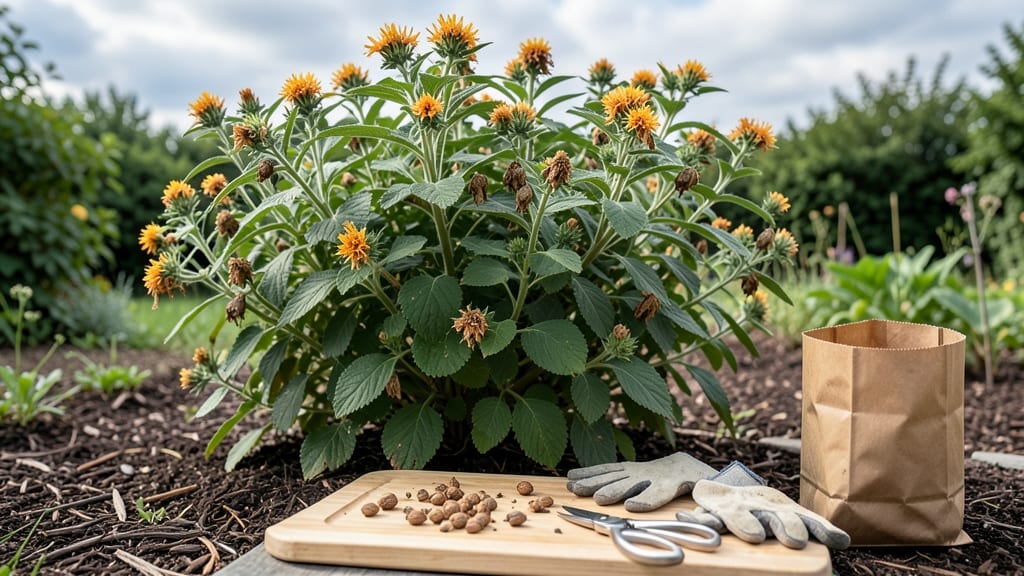
Harvesting lantana seeds at the right time ensures the best germination rates for your next batch of vibrant 🌸 plants.
Lantana plants burst with vibrant blooms, but their real gardening potential lies in those tiny, hidden seeds—if you know exactly when and how to harvest them for the best results.
Timing is everything: wait until the seed pods turn brown and begin to crack open naturally, usually between September and October in most growing zones like 6a. Harvest too early, and the seeds won’t be viable; too late, and they may scatter on their own.
In this guide, I’ll walk you through the step-by-step process for harvesting, drying, and storing lantana seeds—plus how to test their viability before planting. Ready to turn those dried pods into next year’s garden stars?

When to harvest lantana seeds: identifying mature seed pods for optimal germination
Lantana plants produce tiny but potent seeds hidden inside their dry seed pods, but timing your harvest correctly is key to maximizing germination rates. If you harvest too early, the seeds won’t be viable, while waiting too long risks losing them to dispersal by wind or wildlife.
The secret lies in watching for specific visual cues that signal maturity.
Most gardeners in USDA Zones 8-11 (lantana’s ideal range) should begin monitoring seed pods in late summer to early fall, typically between September and October. This aligns with lantana’s natural lifecycle, where flowering transitions to seed production after the first frost threat has passed.
Pay close attention to the pods’ color and texture—these are your best indicators.
| Stage | Visual Cues | Action | Best Time |
|---|---|---|---|
| Early Development | Green, firm pods | Wait | June-August |
| Maturing | Pods turn light brown | Monitor daily | Late August |
| Ready to Harvest | Pods crack open, seeds dark and firm | Harvest immediately | September-October |
| Overripe | Pods empty or brittle | Too late | November+ |
The critical moment arrives when seed pods transition from green to dry brown and begin cracking open naturally. At this stage, the seeds inside will appear dark brown to black and feel firm to the touch.
If you gently press a ripe pod, seeds should spill out easily—this is your cue to act quickly before they scatter.
Environmental factors like humidity and temperature can delay or accelerate pod maturity. In dry climates, pods may dry faster, while high humidity can keep them green longer.
I’ve found that mornings after dew evaporation are ideal for checking pods, as the natural moisture loss makes the maturity cues more visible.
One common mistake is harvesting based solely on flowering cycles. While lantana blooms prolifically from spring to fall, seed pods only form after late-season flowers (typically those appearing in August or September).
These later blooms are your best bet for high-quality seeds, so focus your attention there.
If you’re in a cooler climate (Zones 6-7), lantana may produce fewer seeds or require extended growing seasons. In these cases, consider protecting plants with row covers or growing lantana in containers** that can be moved indoors before frost.
This preserves the plant—and its seed pods—for another harvest cycle.
For optimal germination, aim to harvest seeds within 24-48 hours of the pods cracking open. Store them in a paper envelope in a cool, dry place (like a seed fridge) until you’re ready to sow.
I’ve had the best success with freshly harvested seeds planted within 2-3 weeks of collection.
Pro tip: If you miss the natural cracking window, you can gently squeeze ripe pods between your fingers to release seeds. Avoid overhandling, as this can damage the delicate seed coats.
Once extracted, spread seeds on a paper towel in a single layer to dry for 1-2 days before storage.
Remember, patience is key—rushing the harvest can leave you with low-viability seeds, while waiting too long may mean losing your harvest entirely. Keep an eye on those pods, and you’ll be rewarded with healthy lantana seedlings ready to brighten your garden next season! 🌸
Step-by-Step process for harvesting and storing lantana seeds
Once you’ve spotted those brown, cracked seed pods on your lantana, it’s time to act carefully. Harvesting too early can ruin seed viability, while waiting too long risks losing seeds to birds or weather.
The key is gentle handling—lantana seeds are delicate but packed with potential for next year’s vibrant blooms.
Start by gathering your tools: a pair of clean pruning shears, a small bowl or paper bag, and a dry, well-ventilated workspace. Avoid damp conditions, as moisture can trigger mold during storage.
Work on a sunny day when pods are fully dry to ensure seeds are ready for collection.
Step-by-Step Guide to Harvesting Lantana Seeds
- 🌿 Step 1: Select Mature Pods
Choose fully brown, cracked pods that release seeds when gently squeezed. Discard any green or unopened pods—they’re not ready. - 🪴 Step 2: Snip or Twist Off Pods
Use pruning shears to cut stems just above the pod, or twist pods off by hand. Avoid crushing seeds inside. - 🌡️ Step 3: Dry Seeds Further
Spread pods on a paper towel in a warm, dry place (like a sunny windowsill) for 1–2 days. This ensures seeds are bone-dry before storage. - ✂️ Step 4: Extract Seeds
Once pods are crispy, crush them gently with your fingers or a spoon to release seeds. Sift through debris with a fine mesh screen if needed. - 📦 Step 5: Store Properly
Place seeds in a paper envelope or airtight container with a silica gel packet to absorb moisture. Label with the harvest date.
After harvesting, test seed viability by placing 10 seeds in a damp paper towel for 3 days. If 50% or more sprout, your batch is ready for planting.
Store viable seeds in a cool, dark place (like a fridge) for up to 2 years, though germination rates drop after 1 year.
Avoid these common mistakes: harvesting in humid weather (seeds mold), storing seeds in plastic bags (traps moisture), or skipping the drying step (reduces germination). Patience pays off—properly stored lantana seeds can yield hundreds of new plants with minimal effort.
Once your seeds are stored, mark your calendar for spring planting. Lantana thrives in warm soil, so wait until after the last frost date in your USDA Zone 6a or warmer.
Scatter seeds on well-draining soil and lightly cover with 1/4-inch of compost—no need for deep planting.