
How To
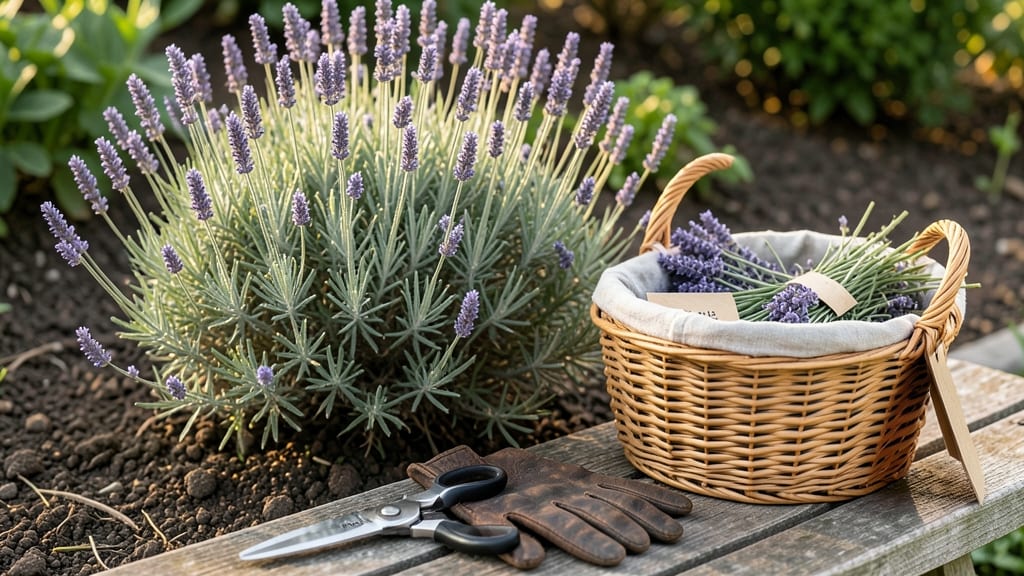
To harvest lavender at its peak, aim for when buds are just opening but flowers haven’t fully bloomed—this is when the scent and oil content hit their sweet spot.
Harvesting lavender at the right time transforms its delicate blooms into fragrant bundles that last for months—while cutting too early or too late can ruin both yield and scent. One wrong move, and you’re left with weak stems or faded color that won’t hold up in sachets or potpourri.
Most gardeners in USDA Zone 6a can start harvesting as early as July, but timing depends on your climate and the specific lavender variety.
The key is watching for those firm buds with a hint of color—when crushed, they should release a strong, sweet aroma that makes your hands smell like summer.
In this guide, I’ll walk you through the exact steps to harvest lavender, from choosing the right tools to drying methods that preserve that signature fragrance. You’ll also learn how to avoid common mistakes that waste your hard work—and how to keep your plants thriving for years of perfect harvests.

When to harvest lavender for maximum fragrance and oil content
Timing your lavender harvest is everything—cut too early, and you lose essential oil potency. Harvest too late, and the fragrance fades. The secret lies in catching those buds just as they begin to open, when their aromatic compounds peak.
This window typically falls between July and September, but your local climate will shift those dates slightly. For example, in USDA Zone 6a, I harvest mine in late July, while friends in warmer zones like Zone 8 might wait until early September.
Lavender’s flower buds are the goldmine for both scent and oil. When buds are firm and just turning color (but not yet open), they contain the highest concentration of linalool and linalyl acetate, the compounds responsible for that signature lavender fragrance.
These buds also yield the most essential oil, which is why professional growers prioritize this stage. If you wait until the flowers fully bloom, the oil content drops by up to 30%, and the scent becomes weaker.
Here’s how I determine if my lavender is ready: I gently crush a bud between my fingers—if it releases a strong, sweet aroma, it’s harvest-ready. The stems should also snap cleanly when bent, not bend like green wood.
Avoid harvesting if the flowers are already open or if the stems feel woody, as these signs indicate the plant is past its prime for oil and fragrance extraction.
| Harvest Stage | Key Characteristics | Fragrance & Oil Quality | Best For |
|---|---|---|---|
| Early Bud Stage | Bud clusters firm, just turning color, leaves fully developed | Peak fragrance, highest essential oil content (80-90%) | Drying, essential oil extraction, potpourri |
| Full Bloom | Flowers fully open, stems may feel slightly woody | Weaker scent, reduced oil content (50-70%) | Decorative purposes only |
| Overripe | Flowers brown, stems hard and woody, weak aroma | Negligible fragrance, minimal oil yield | Avoid harvesting |
| Climate Adjustments | Cooler climates (Zone 5-6): Harvest 2-3 weeks earlier | Consistent high quality if timed correctly | Year-round harvests in mild climates (Zone 8+) |
Seasonal timing matters just as much as flower stage. In mild climates, like Southern California or Mediterranean regions, lavender may bloom earlier and produce multiple harvests per season.
I’ve seen lavender in Zone 9 start flowering as early as May, while in Zone 6a, the first harvest doesn’t arrive until late July. Pay attention to your local frost dates—lavender is sensitive to cold, and harvesting too close to frost can stress the plant.
Aim to finish your last harvest at least 4-6 weeks before the first frost to allow the plant to recover and prepare for dormancy.
Morning is the ideal time to harvest. The dew has evaporated, but the plants haven’t yet been exposed to the midday heat, which can cause the buds to wilt. I always harvest between 7 AM and 9 AM on clear, dry days.
Avoid harvesting after rain, as moisture can lead to mold during drying and dilute the essential oils. If you must harvest after rain, wait until the foliage is completely dry to touch.
Climate plays a surprising role in lavender’s harvest window. In arid regions, like the Southwest U.S., lavender may bloom later due to extended dry spells, while coastal areas with higher humidity might see earlier but shorter bloom cycles.
I once grew lavender in Oregon’s Willamette Valley, where the damp climate shortened the harvest window to just 4-6 weeks compared to the 8-10 weeks I experience in my drier Colorado garden.
If you’re unsure about your local conditions, observe your plants closely for 2-3 years to identify the optimal harvest window.
One common mistake I see is harvesting lavender more than one-third of the plant at a time. Over-harvesting stresses the plant and can reduce future yields. For a 2-foot-tall lavender bush, I never cut more than 6-8 inches from the top.
This practice encourages bushier growth and ensures the plant has enough energy to produce more buds next season. Always use clean, sharp shears to make clean cuts just above a leaf node—this prevents damage and promotes healthier regrowth.
Did you know that lavender’s essential oil content peaks in the morning? That’s why professional distillers often harvest in the early hours. The cool temperatures and high humidity levels at dawn create the perfect conditions for maximum oil production.
If you’re growing lavender for commercial essential oil extraction, consider investing in a small portable hydrosol still to capture the oils fresh from the plant. Even for home gardeners, harvesting in the morning ensures your dried lavender retains its brightest color and strongest scent.
For those in container-grown lavender, timing is even more critical. Potted lavender often blooms 2-3 weeks earlier than in-ground plants due to the warmer root zone. I’ve found that container lavender in full sun can be ready for harvest as early as mid-June in Zone 7.
However, be cautious—container-grown lavender is more susceptible to root stress, so limit harvesting to once per season unless you’re using a very large pot (18+ inches in diameter) with excellent drainage.
Pro tip: Mark your calendar for the first frost date in your area and count backward
Step-by-step lavender harvesting techniques for healthy plants
Harvesting lavender correctly ensures your plants stay healthy and productive for years. The wrong technique can stress your plants, reduce future blooms, and even shorten their lifespan. I’ve learned that using the right tools and timing makes all the difference between a fragrant harvest and a disappointing one.
Lavender thrives when you cut it at the base of the stems, leaving about 3-4 inches of growth. This encourages bushier, fuller plants next season. Avoid cutting into woody stems—this can kill the plant. Instead, focus on the green, flexible stems with buds just beginning to open.
How to Harvest Lavender Like a Pro
- 1 Choose the right tools: Use sharp hand shears or pruners (never scissors) to avoid crushing stems. Clean tools between cuts to prevent disease spread.
- 2 Select stems at the right stage: Harvest when buds are firm and just beginning to open (about 30% bloomed). Avoid fully open flowers—they lose fragrance quickly.
- 3 Cut at the base: Make clean cuts 1/4 inch above a leaf node or side branch. Never cut into old wood—this can kill the plant. Leave 3-4 inches of growth to encourage new shoots.
- 4 Avoid over-harvesting: Never take more than 1/3 of the plant at once. Over-harvesting weakens lavender and reduces next year’s blooms. Space cuts 6-8 weeks apart for best results.
- 5 Post-harvest care: Remove lower leaves from stems to prevent mildew during drying. Bundle stems in small groups of 5-10 and hang upside down in a dry, dark, well-ventilated space.
After harvesting, give your lavender plants a light watering if the soil feels dry. This helps them recover faster. I’ve found that harvesting in the morning (after dew dries but before the heat of the day) preserves the most fragrance and prevents wilting.
One common mistake I see is using dull tools, which crush stems and damage the plant. Always sharpen your shears before harvesting. Another tip: Harvest on a dry, sunny day—this helps the stems dry faster and reduces the risk of mold during storage.
With these techniques, your lavender will stay vibrant and productive for seasons to come. The key is patience and precision—your plants will thank you with abundant, fragrant blooms year after year. 🌿✂️