
How To
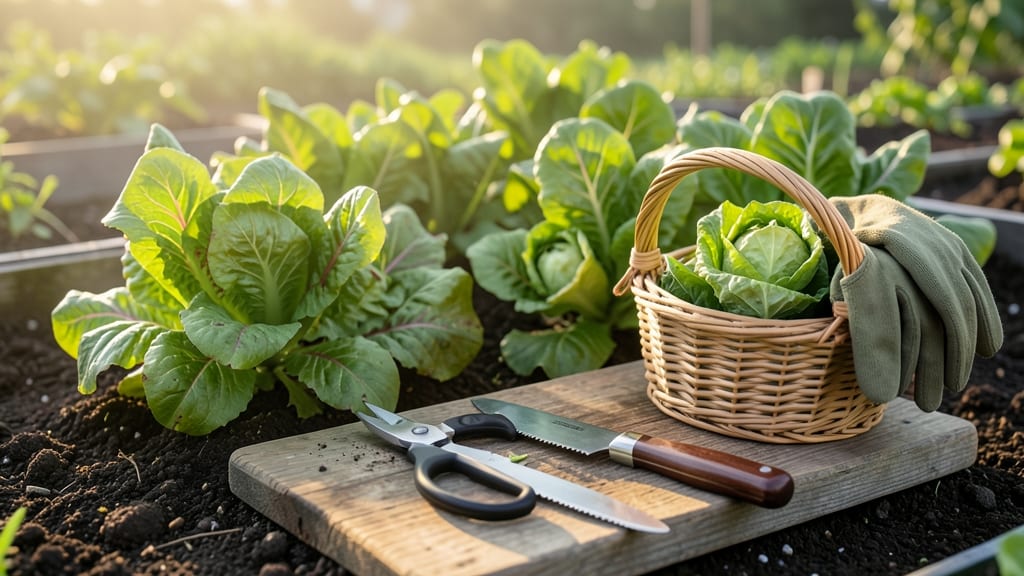
Harvesting leaf lettuce 🥬 by cutting outer leaves at 4 inches gives you a steady supply of fresh greens without waiting for a full head to mature.
Picture this: you’re about to toss a sad, wilted lettuce leaf into the compost—only to realize you could’ve kept it growing for weeks. That’s the magic of cut-and-come-again harvesting, where you snip just the outer leaves and let the inner ones keep growing.
Timing is everything—wait too long, and the lettuce bolts (goes to seed). But harvest too early, and you’re left with tiny, bitter leaves. Below, I’ll walk you through the exact steps to get it right, from tools to post-harvest care, so your plants keep producing like clockwork.
Ready to turn a single planting into a never-ending salad bowl? Let’s dive into the best practices that’ll keep your leaf lettuce thriving all season.

When and how to harvest leaf lettuce for maximum yield
Harvesting leaf lettuce at the right time and using the proper technique can transform your garden into a continuous green machine. The key lies in understanding when those outer leaves reach 4 inches—this is your cue to start harvesting.
When done correctly, your lettuce plants will keep producing fresh, crisp leaves for weeks, giving you a steady supply without waiting for full heads to mature.
The science behind cut-and-come-again harvesting is simple: by removing only the outer leaves, you protect the inner growth point. This method encourages the plant to focus energy on regenerating new leaves, rather than bolting (flowering) prematurely.
For best results, aim to harvest when your lettuce has 4-6 mature outer leaves, each measuring about 4 inches long—this balance ensures you get the biggest leaves while keeping the plant healthy.
Timing your harvest by season is crucial. In spring and fall, when temperatures are mild, you can harvest every 2-3 weeks as long as you leave the inner leaves intact.
During hot summer months, however, lettuce grows slower, and you may only need to harvest every 3-4 weeks to avoid stressing the plant. Always check for dark green, crisp leaves—these are ready to pick, while pale or wilted leaves should stay on the plant.
How to Harvest Leaf Lettuce Step-by-Step
- 1 Wait for 4-inch outer leaves: Harvest only when the outermost leaves reach 4 inches long and are fully formed. This ensures you get the largest, most flavorful leaves while protecting the plant.
- 2 Use clean, sharp scissors or shears: Avoid tearing leaves—use sterilized pruning shears or a sharp knife to make clean cuts. This prevents damage that can invite pests or disease.
- 3 Cut leaves at a 45-degree angle: Make your cut just above a leaf node (where new leaves emerge). This angle helps water run off and reduces rot risk while encouraging new growth.
- 4 Leave the inner rosette intact: Never remove more than 1/3 of the plant at once. The heart of the lettuce (the inner leaves) should stay untouched to keep producing new growth.
- 5 Harvest in the morning: Pick leaves when they’re cool and crisp, typically between 8-10 AM. This ensures the best flavor and texture, and it gives the plant time to recover during the day.
- 6 Water and fertilize after harvesting: Give your lettuce a light watering and a balanced fertilizer (like 10-10-10) to encourage regrowth. Avoid heavy feeding, as it can lead to bolting or bitter leaves.
One of the biggest mistakes gardeners make is harvesting too aggressively or picking leaves that are too small. If you remove more than 1/3 of the plant at once, you risk shocking the lettuce and stunting future growth.
Similarly, harvesting leaves that are under 3 inches long means you’re taking energy away from the plant before it’s ready, leading to slower regrowth. Always prioritize outer leaves first—they’re the largest and most mature, and removing them won’t harm the plant’s ability to produce new growth.
After harvesting, monitor your lettuce closely for signs of stress or disease. If leaves start to yellow or wilt, it could mean the plant is underwatered, overwatered, or struggling with heat stress. In hot climates, consider providing light shade cloth to protect your lettuce from bolting.
With the right care, your plants can produce harvests for 6-8 weeks or even longer, depending on the variety and growing conditions.
For maximum yield, rotate your harvesting schedule. Instead of picking all the leaves at once, focus on one section of the plant each time. This method ensures even growth and prevents the plant from becoming lopsided or stressed. For
Best practices for continuous lettuce harvesting without bolting
To keep your leaf lettuce thriving and producing for weeks, you must balance harvesting with plant health. Over-harvesting weakens plants, while under-harvesting risks bolting. The key lies in spacing, watering, and smart fertilization—all while protecting your plants from stress triggers like heat or drought.
I’ve learned that even small mistakes can turn your crisp greens into bitter, flowering stalks overnight.
Start by spacing your lettuce plants 8-12 inches apart—crowding stresses roots and speeds up bolting. Thin seedlings early to avoid competition, and always harvest outer leaves first, leaving the inner rosette intact.
This method lets the plant recover while giving you fresh greens. I’ve found that morning harvests reduce stress, as evening cuts leave plants vulnerable to nighttime chill.
⚠️ callout-warning ⚠️
🚨 Critical Mistake: Harvesting Too Late
Waiting until leaves are 6+ inches or letting the heart leaves fully mature forces bolting. Harvest at 4-5 inches—this triggers regrowth while keeping the plant productive. Pro Tip: Use sharp scissors to cut 1/3 of outer leaves at soil level.
Watering plays a critical role in preventing bolting. Lettuce needs consistent moisture—let soil dry slightly between waterings, but never to the point of wilting. In summer, I mulch heavily with straw to retain moisture and block heat.
Overhead watering can spread disease, so use a drip irrigation system or water at the base. Morning watering is ideal, as it gives leaves time to dry before evening.
Fertilization should be light and strategic. Use a balanced 10-10-10 fertilizer every 4-6 weeks, but avoid nitrogen-heavy feeds in summer—they accelerate bolting. I switch to fish emulsion in early spring and fall for gentle growth.
Always water plants before fertilizing to prevent root burn, and flush soil monthly with plain water to remove excess salts.
Heat is lettuce’s worst enemy. When temperatures rise above 75°F (24°C), growth slows and plants bolt. Provide afternoon shade with a 30% shade cloth or plant under taller crops like tomatoes. In containers, move pots to partial shade during peak sun.
I’ve had success with succession planting—sowing new seeds every 2 weeks in spring and fall ensures a steady harvest while older plants mature.
Finally, monitor for pests and diseases. Slugs and aphids love tender lettuce leaves, so use diatomaceous earth or neem oil as needed. Rotate crops yearly to prevent soil-borne diseases like downy mildew.
With these practices, I’ve extended my lettuce harvest from 4 weeks to nearly 3 months—all without bolting. The secret? Patience and precision in every step.