
How To
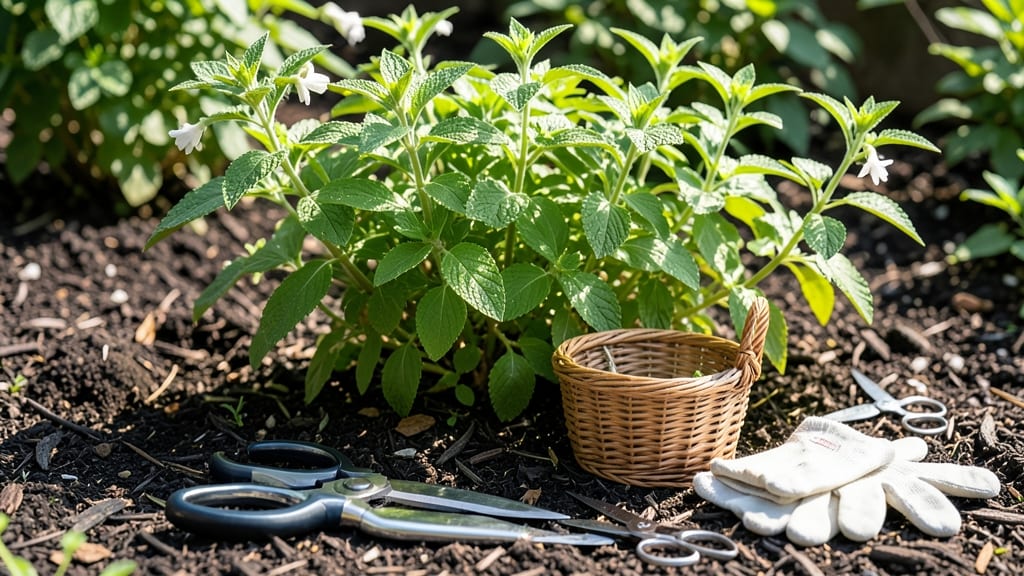
To harvest lemon verbena 🍋 at its peak flavor and aroma, you’ll want to time it just right—morning harvests after dew has dried are the gold standard for preserving that bright citrus punch.
Picture this: you’re about to snip a sprig of lemon verbena, and the air fills with that intoxicating lemony scent. That’s your cue—this herb’s flavor peaks when leaves are fully mature but before flowers form.
Miss this window, and you’ll end up with bitter leaves instead of the zesty harvest you crave.
Harvesting isn’t just about cutting stems—it’s about encouraging your plant to grow bushier and more productive. By following a few simple tricks, like pruning strategically and avoiding over-harvesting, you’ll keep your lemon verbena thriving for years, delivering a steady supply of fragrant leaves for teas, desserts, and homemade remedies.
In this guide, I’ll walk you through the best time to harvest, the tools you’ll need, and step-by-step techniques to preserve the plant’s health—so you can enjoy a maximum yield of lemon verbena all season long.

When and how to harvest lemon verbena for peak flavor and growth
Harvesting lemon verbena at the right time ensures maximum lemony flavor and healthy plant growth. The best harvest window is morning after dew dries—this is when essential oils peak and leaves are most fragrant.
Avoid harvesting in the heat of the afternoon, as this can wilt leaves and reduce their potency.
For peak flavor, focus on harvesting young, tender leaves rather than mature ones. The top 3-4 inches of new growth contain the highest concentration of citrus compounds. Mature leaves, while still usable, tend to be more bitter and less aromatic. This selective harvesting also encourages bushier growth.
Timing your harvest with the plant's growth cycle is crucial. Begin harvesting once your lemon verbena reaches 12 inches tall and has developed at least 6-8 healthy leaves. This typically occurs 60-90 days after planting, depending on your USDA zone and growing conditions.
| Harvest Factor | Best Practice | Why It Matters |
|---|---|---|
| Time of Day | Morning (6-9 AM) | Essential oils peak; leaves are crisp |
| Leaf Selection | Young, top leaves (3-4 inches) | Highest flavor and aroma concentration |
| Season | June-October (summer-fall) | Active growth phase; avoids dormancy |
| Frequency | Every 2-3 weeks | Encourages continuous new growth |
| Tools | Sharp pruners or clean scissors | Prevents tearing and disease spread |
To harvest, use clean, sharp pruning shears or scissors to avoid crushing stems. Cut just above a leaf node (the point where leaves grow from the stem) to stimulate new growth.
Never remove more than one-third of the plant in a single harvest, as this can stress the plant and reduce future yields.
Seasonal timing plays a key role in harvest success. In USDA zones 6-9, aim for June through October when the plant is in its active growth phase.
In warmer zones (8-11), you can extend harvesting into early winter before the first frost. Always harvest before flowers form—once blooming begins, the lemony flavor diminishes.
After harvesting, rinse leaves briefly under cool water to remove dust and debris, then pat dry with a paper towel. Store harvested leaves in the fridge for up to 5 days or freeze them for long-term use.
For drying, hang small bundles upside down in a dark, well-ventilated area for 1-2 weeks until crisp.
If your lemon verbena starts to look leggy or sparse, it’s a sign you’ve been harvesting too aggressively. In this case, reduce frequency and focus on pruning for shape rather than yield. A healthy plant will recover quickly and produce even more flavorful leaves in future harvests.
For maximum yield, pair harvesting with regular pruning. Trim back overly long stems to encourage bushier growth and better airflow. This not only boosts harvests but also reduces pest and disease risks. Always sterilize tools with rubbing alcohol between cuts to prevent infections.
Remember, consistency is key. Harvesting every 2-3 weeks throughout the growing season will keep your lemon verbena productive and flavorful for years. With the right timing and technique, you’ll enjoy a bountiful harvest of fragrant, citrusy leaves all season long. 🌿🍋✂️
Pruning lemon verbena: the right cuts for bigger harvests and healthier plants
Pruning your lemon verbena isn't just about shaping—it's a science to boost growth and flavor. When done right, strategic cuts encourage bushier plants with more aromatic leaves. The key lies in timing and technique, especially since aggressive pruning can backfire if not timed correctly.
I’ve found that spring and fall are the sweet spots for pruning, but each season serves a different purpose.
Spring pruning focuses on removing dead growth and shaping the plant for the growing season ahead. This is when you want to create an open, airy structure to prevent fungal diseases and pests.
In contrast, fall pruning is gentler—it’s about preparing the plant for dormancy while still encouraging new growth before the first frost. The wrong approach can leave your plant stressed or vulnerable, so let’s break down the pros and cons of different methods.
Aggressive Pruning vs. Gentle Pruning
Aggressive Pruning
- Pros: Stimulates bushier growth
- Pros: Encourages new leaf production
- Pros: Removes old, woody stems
- Cons: Can stress young plants
- Cons: Risk of over-pruning in winter
Gentle Pruning
- Pros: Less plant stress
- Pros: Ideal for mature plants
- Pros: Encourages gradual growth
- Cons: Slower bushiness
- Cons: May require more frequent pruning
For spring pruning, I recommend cutting back one-third of the plant to encourage new growth. Focus on removing any dead or crossing branches while leaving the healthiest stems. This is also the time to shape the plant into a rounded bush for better airflow.
In fall, switch to a gentler approach—trim only the outermost growth to promote new shoots before winter.
One common mistake I see is pruning too late in the season, which can leave the plant vulnerable to frost damage. Another is using dull shears, which crush stems and invite disease.
Always use clean, sharp pruners and make cuts just above a leaf node to encourage regrowth. This small detail makes a big difference in how quickly your plant recovers.
If your lemon verbena starts looking leggy or sparse, it’s a sign you need to adjust your pruning routine. Try a balanced approach: aggressive pruning in early spring to kickstart growth, followed by lighter maintenance cuts throughout the season.
This keeps your plant compact, healthy, and productive while avoiding the pitfalls of over-pruning.
Remember, the goal is to encourage growth, not stunt it. With the right cuts at the right time, your lemon verbena will reward you with abundant, fragrant leaves all season long. Happy pruning! 🌿✂️🍋