
How To
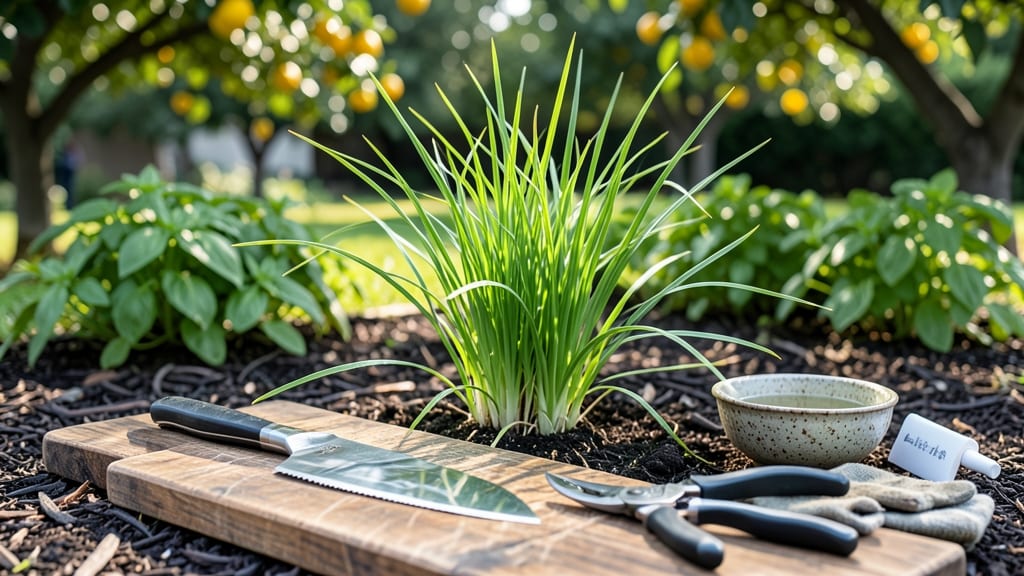
Harvesting lemongrass without killing the plant means cutting stems at the right height and timing 🌿—a technique that keeps your plant thriving while giving you fresh stalks for cooking.
Picture this: you’ve just pulled out a perfect stalk for your stir-fry, only to realize the plant looks wilted and won’t bounce back. That’s the moment you realize a little knowledge goes a long way in preserving your lemongrass.
This guide breaks down the stem-cutting method, including when to harvest, how much to leave behind, and the subtle signs your plant is stressed. No more guesswork—just healthy regrowth and a steady supply of flavorful stalks.
You’ll learn the exact cutting height to avoid damaging the core, how often to harvest for maximum yield, and what to watch for if your plant starts to struggle. Let’s keep that lemongrass growing strong!

Step-by-step stem-cutting method to harvest lemongrass safely
Harvesting lemongrass properly ensures you get fresh, flavorful stalks while keeping your plant healthy and productive. The key lies in selecting mature stems and using the right cutting technique to encourage regrowth. Unlike annual herbs, lemongrass is a perennial in warm climates, so sustainable harvesting extends its lifespan for years.
Before you grab your pruners, identify healthy stalks that are at least 12-18 inches tall with vibrant green leaves. These stalks should feel firm but flexible—like a sturdy bamboo cane. Avoid cutting the innermost core unless you’re ready to replace the plant, as this is where new growth emerges.
How to Harvest Lemongrass Without Killing the Plant
-
Step 1: Choose the Right Tools
Use sharp pruning shears or a clean knife to make precise cuts. Dull tools crush stems, inviting disease.
-
Step 2: Locate the Cutting Zone
Cut 2-3 inches above the soil line on the outer stalks. Leave the inner 3-4 stalks untouched to regrow.
-
Step 3: Make the Cut at a 45-Degree Angle
Angle the cut to prevent water pooling on the stem, reducing rot risk. Aim for a clean, smooth slice.
-
Step 4: Remove Only Mature Stalks
Prioritize thick, woody stalks over thin ones. Thin stalks won’t regrow well and waste the plant’s energy.
-
Step 5: Post-Harvest Care
Water the base deeply after cutting to support recovery. Add 1 tbsp of compost around the soil to replenish nutrients.
-
Step 6: Store Harvested Stalks Properly
Trim the lower 2 inches of the stalk and store in a sealed container with 1 inch of water in the fridge for up to 2 weeks.
After harvesting, monitor your lemongrass plant for new shoots emerging from the center within 4-6 weeks. If you notice yellowing leaves or stunted growth, your plant may need fertilizer or more sunlight. A balanced 10-10-10 NPK fertilizer applied every 4-6 weeks during the growing season keeps it thriving.
One common mistake is over-harvesting in a single session. Never remove more than 30-40% of the stalks at once, or you’ll stress the plant’s root system. In warm climates, you can harvest every 2-3 months, while cooler seasons may require a 6-month break to avoid weakening the plant.
For container-grown lemongrass, ensure the pot has drainage holes and repot every 2-3 years to refresh the soil. Overcrowded roots limit regrowth, so choose a container at least 12 inches wide for mature plants. Mulching with straw or shredded leaves retains moisture and protects the base from temperature fluctuations.
If your lemongrass plant shows signs of stress after harvesting, such as wilted leaves or brown tips, trim the damaged foliage immediately and increase watering slightly. Avoid fertilizing stressed plants until they recover—focus on hydration and shade first.
With proper care, your lemongrass can live for 5+ years and produce harvests year-round in suitable climates.
Pro tip: Label your lemongrass plants if you grow multiple varieties, like Cymbopogon citratus (common lemongrass) or Cymbopogon flexuosus (East Indian lemongrass). Some varieties regrow faster than others, so tailor your harvesting schedule accordingly. Always cut in the morning when stems are firmest for the cleanest cuts.
When and how often to harvest lemongrass for maximum regrowth
Timing your lemongrass harvest correctly is the key to keeping your plant healthy and productive. Unlike annual herbs, lemongrass is a perennial that regrows from its base—meaning proper harvesting techniques can extend its lifespan for years.
The best time to harvest is when stalks reach 12-18 inches tall and feel firm but flexible, signaling they’re mature enough for cutting without stunting growth.
Seasonally, aim to harvest during the growing season (spring to early fall) when temperatures are warm and your plant is actively producing new growth. In USDA Zone 6 and warmer climates, you can harvest year-round, but avoid cutting in winter when growth slows dramatically.
Over-harvesting in cold months stresses the plant and can lead to yellowing leaves or even death.
🌱Pro Tip: Always leave at least 3-4 inner stalks uncut to maintain the plant’s energy supply for regrowth. These inner stalks act as the plant’s "skeleton," supporting future harvests.
- 📏 Check stalk height: Only harvest stalks that are 12-18 inches tall—never cut smaller or younger growth.
- ✂️ Use clean shears: Cut stalks 2-3 inches above the base at a 45-degree angle to prevent water pooling.
- 🌱 Leave the core: Never remove more than 1/3 of the stalks at once—preserve the inner 3-4 stalks for regrowth.
- 💧 Water deeply post-harvest: Give the plant 1-2 cups of water to compensate for lost foliage and reduce stress.
- ☀️ Monitor sunlight: If leaves yellow after cutting, move the plant to full sun (6+ hours/day) to boost recovery.
For frequency, harvest every 4-6 weeks during peak growing months to maintain a steady supply without overburdening the plant. In summer months, when growth accelerates, you can harvest as often as every 3-4 weeks, but always follow the "leave 3-4 stalks" rule.
Over-harvesting—cutting too frequently or too many stalks—leads to stunted growth, pale leaves, or even plant death.
Watch for warning signs of over-harvesting: if your lemongrass develops thin, spindly stalks, yellowing leaves, or bare patches at the base, it’s time to let the plant recover.
In such cases, reduce harvesting frequency to every 8-12 weeks and fertilize lightly with a balanced 10-10-10 mix to restore vigor.
🌿Remember: A healthy lemongrass plant can produce harvests for 3-5 years with proper care. By harvesting strategically and avoiding common mistakes, you’ll enjoy a continuous supply of fresh lemongrass without sacrificing your plant’s long-term health.