
How To
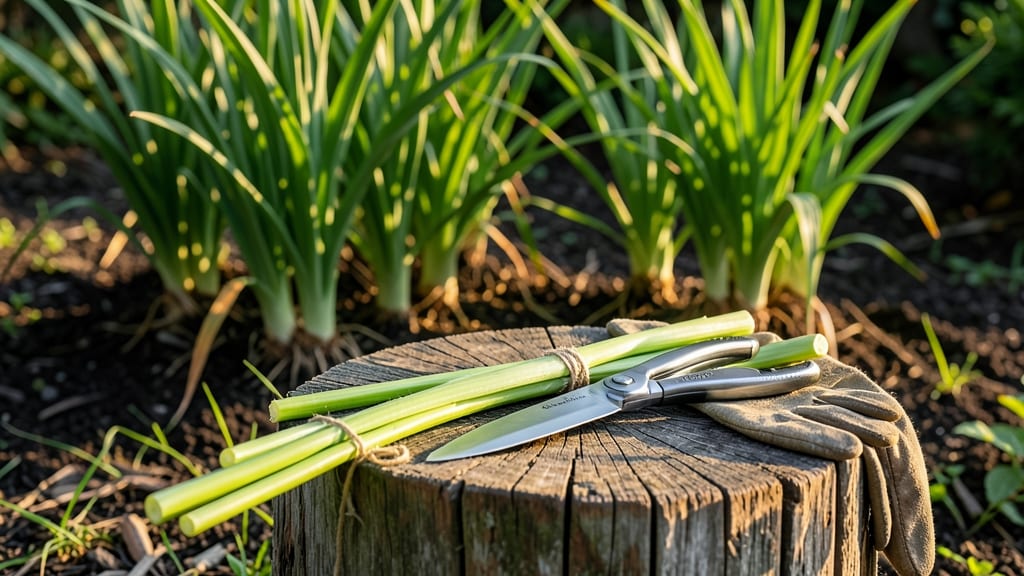
Harvesting lemongrass at the right time means the difference between a flavorful stem and a woody, bitter one — and the secret lies in the flex test you’ve likely missed.
Picture this: you tug a stalk, and instead of snapping, it bends like a bow. That’s your cue that the plant is prime for picking 🌿, packed with essential oils and ready to regrow. But timing it wrong? You’ll end up with a sad, stunted plant that never recovers.
In this guide, I’ll walk you through the exact moment to harvest, how to cut without killing your plant, and the best ways to store your bounty so it stays fresh longer than a grocery store bunch ever could.
Whether you’re growing lemongrass in Zone 6a or a container on your balcony, these steps will ensure you get the best yield season after season — without the guesswork.

When to harvest lemongrass for maximum yield (stem flex test)
Harvesting lemongrass at the right time ensures maximum flavor and encourages regrowth for continuous yields. The stem flex test is my go-to method—when stalks bend slightly without snapping, they’re prime for harvest. This simple trick saves you from cutting too early (wimpy flavor) or too late (bitter, woody taste).
Timing matters because over-mature lemongrass loses its citrusy punch and becomes fibrous. Plus, harvesting too aggressively can stress the plant, reducing future harvests. Think of it like pruning—balance is key! The ideal window is when stalks reach 12-18 inches tall with a 1-inch diameter base.
Here’s the visual checklist I use: - Leaf color: Bright green, not yellowing - Stem thickness: Thick enough to feel substantial - Regrowth signs: New shoots emerging at the base
| Harvest Stage | Stem Height | Base Diameter | Leaf Condition | Flex Test |
|---|---|---|---|---|
| Not Ready | Under 12" | <0.5" | Tightly rolled | Snaps easily |
| Ideal Harvest | 12-18" | ~1" | Fully elongated | Bends without snapping |
| Over-Mature | Over 18" | >1.5" | Yellowing tips | Brittle, snaps |
🌱 Pro Tip: Harvest before flowering—buds signal the end of prime flavor!
Why does the stem flex test work? It’s all about cell maturity. Young stems are too soft, while over-mature ones become woody. The sweet spot is when fibers are developed but still flexible—like a bamboo stalk.
This stage guarantees the best citrusy aroma and oil content, which is why chefs love fresh lemongrass.
I’ve learned the hard way—harvesting too late turns my lemongrass into a chewy disappointment. Once, I waited until the stalks were 2 feet tall, and the flavor was mild and grassy.
Since then, I’ve made it a rule to harvest when stalks are 12-18 inches and the base feels firm but pliable. It’s a game-changer for culinary use!
Another clue? Look at the leaf arrangement. Mature leaves should be fully unfurled and vibrant green. If you see yellowing or brown tips, it’s a red flag—your plant may be stressed or over-mature. Always prioritize healthy green leaves for the best harvests.
Harvesting at the right time also extends plant longevity. A well-maintained lemongrass can produce multiple harvests per year if you leave 3-4 inches of stem after cutting. This stub encourages new shoots to grow from the base. I’ve had my lemongrass clumps thrive for years with this method!
Season matters too. In tropical climates, lemongrass grows year-round, but in cooler zones, focus on summer harvests (June-August). If you’re in USDA Zone 6a, like me, aim for late spring to early fall.
Freezing temps will kill the plant, so bring pots indoors or harvest before the first frost.
One final tip: Harvest in the morning. That’s when oil content is highest, and stems are most hydrated. Plus, it’s easier to cut cleanly before the day heats up. Use a sharp knife or pruners to avoid crushing the stems—this preserves flavor and prevents disease.
Remember, lemongrass is forgiving. Even if you miss the perfect window, don’t panic! Just trim the woody parts and use the rest. With practice, you’ll train your eye to spot the ideal harvest moment every time. Happy harvesting! 🌿
Step-by-Step lemongrass harvesting guide (tools, technique, and aftercare)
Harvesting lemongrass correctly ensures a steady supply of fresh stalks while keeping your plant thriving. The key lies in using the right tools and technique to avoid damaging the base.
I’ve made every mistake—from cutting too low to overharvesting—so you won’t have to. Let’s dive into the foolproof method that guarantees regrowth and maximum flavor.
Before you begin, gather your harvesting tools: a sharp pruning shears or clean knife, rubbing alcohol for sanitization, and a bucket for trimming waste. The right tools prevent disease spread and make the process smoother.
I always sanitize my shears with rubbing alcohol between cuts—it’s a small step that saves your plant from infections later.
- 🌿 Step 1: Select Mature Stalks
Choose stalks that are 12-18 inches tall with a 1-inch diameter base. The leaves should be fully elongated and vibrant green. Avoid harvesting stalks that are flowering or yellowing. - 🔪 Step 2: Sanitize Your Tools
Wipe your pruning shears or knife with rubbing alcohol to prevent bacterial transfer. Clean tools = healthier plants. I keep a small bottle of alcohol nearby for quick sanitization between cuts. - ✂️ Step 3: Cut at the Base
Hold the stalk firmly and cut it 1-2 inches above the soil line. Never cut too low—this can kill the plant. Angle your cut slightly to allow water to run off and prevent rot. - 💧 Step 4: Trim Waste Immediately
Remove the tough lower leaves and trim the stalk to your desired length. Store the trimmed waste in your bucket for composting. This keeps your workspace tidy and reduces waste. - 🌱 Step 5: Post-Harvest Care
Water the plant thoroughly after harvesting to encourage regrowth. Avoid fertilizing immediately—wait 1-2 weeks to let the plant recover. Mulch around the base to retain moisture.
One common mistake I see is cutting the stalks too low, which can damage the growth point and stunt regrowth. Always leave at least 1-2 inches of stem above the soil.
If your plant looks weak after harvesting, it might need a light fertilizer or extra water. I’ve revived struggling plants by giving them a balanced 10-10-10 fertilizer and consistent moisture.
After harvesting, store your lemongrass in a plastic bag in the fridge for up to 2 weeks or freeze the stalks for long-term use. For continuous yield, harvest every 4-6 weeks during the growing season.
In colder climates, lemongrass may go dormant—just protect it with mulch and reduce watering until spring.
With these steps, you’ll harvest lemongrass like a pro, ensuring your plant stays healthy and productive. The secret is patience and precision—your plant will thank you with fresh, flavorful stalks for months to come! 🌿